




French Style Bijouterie
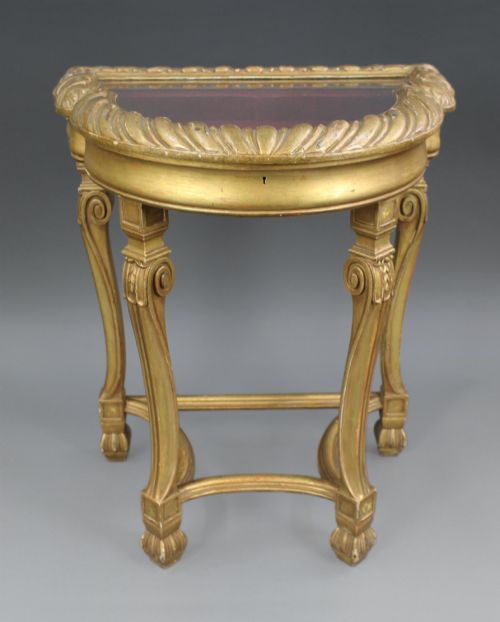
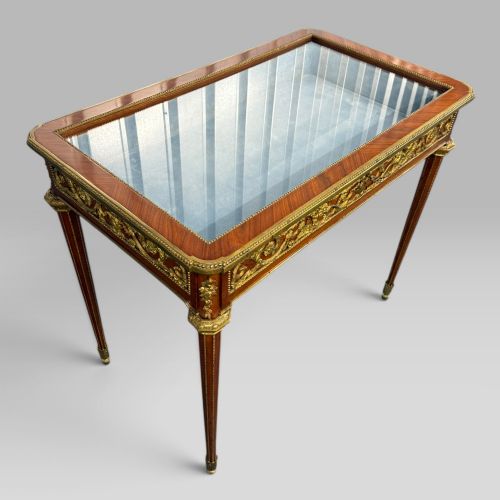
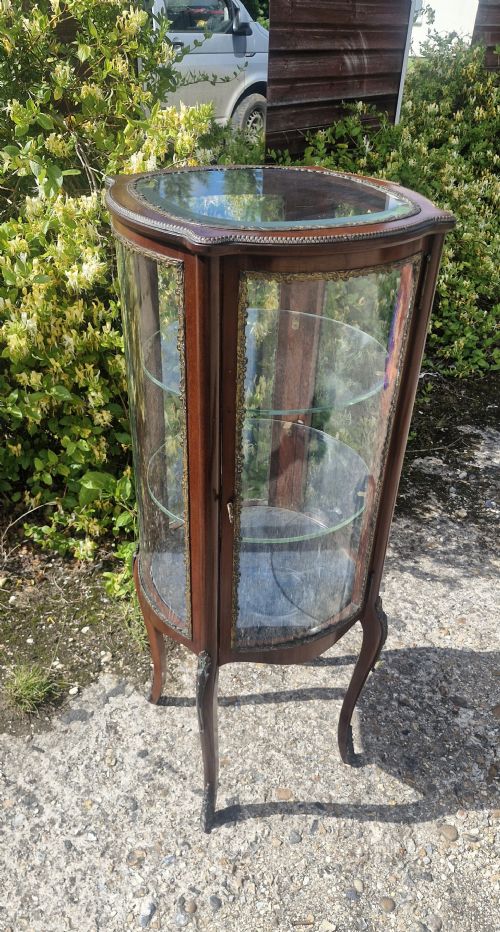
French style bijouterie pieces are glazed display tables and vitrines designed to show small treasures, bringing continental elegance to a room.
French Style Bijouterie
When you search for french style bijouterie, you enter a world of glazed display tables, vitrines and cabinets designed specifically to showcase small valuables and collections. These pieces function as miniature museums within the home, lifting treasures into the line of sight through glass tops and panels.
The versions you meet most frequently on this page span the Victorian and Edwardian eras, alongside later twentieth century revivals. They appear in forms ranging from serpentine display tables to freestanding cabinets.
Makers drew heavily on eighteenth century French vocabulary, producing pieces that echo the curves of Rococo revival or the straighter lines of Louis XVI style. Mahogany, rosewood and kingwood form the structural canvas for these glazed showcases.
Materials and construction
Cabinet makers built the carcasses of these display pieces using dense timbers such as mahogany, rosewood and kingwood, often applying intricate marquetry or brass inlay across the surface. Glass panels fitted securely into hinged lids or doors to protect the contents while offering an unobstructed view.
Ormolu and gilt bronze mounts provided structural accent and decorative flourish, framing corners, legs and aprons in the manner of classic French workshops. Fabric linings, notably velvet, cushioned the interior bases where the collected objects rested.
French Style Bijouterie Retail Price Guide 2026
Typical asking prices for french style bijouterie among the pieces listed under this phrase on Sellingantiques today, from the lower quarter to the upper quarter. They describe what is for sale here now, not the wider market.
Listings here feature mahogany, rosewood and kingwood alongside brass inlay and ormolu mounts.
Assessing quality and finish
The distinction between standard production and the finest examples rests on the crispness of the bronze or ormolu mounts and the precision of the timber veneers. Superior pieces display hand-chased metalwork that fits the contours of the wood seamlessly, rather than generic cast elements.
Proportion and stability dictate the standing of a table or cabinet, particularly in pieces featuring slender cabriole legs or serpentine glass forms. The joinery of the frame and the smooth operation of glazed lids reveal the care invested by the original maker.
François Linke
The French Style Bijouterie Glossary
- Bijouterie table
- A specialised glazed table designed for displaying jewellery, medals and small ornaments.
- Ormolu
- Gilded bronze applied as decorative mounts on furniture frames.
- Vitrine
- A glass-fronted cabinet used for displaying fine objects and porcelain.
- Marquetry
- Decorative veneer patterns formed by fitting small pieces of wood together.
- Serpentine
- A curved line or shape featuring alternating convex and concave sections.
French Style Bijouterie: Frequently Asked Questions
What is a bijouterie table used for?
These tables served as surface furniture where households displayed fine pocket watches, medals, rings and miniature portraits under glass. The enclosed glazed compartment kept delicate items safe from dust while allowing guests to inspect them.
Today, they perform the exact same function for modern collectors. They turn casual storage into an intentional display piece within a drawing room or study.
How do I date a French style bijouterie table?
Dating relies on identifying the underlying timber framing, the style of the brass or ormolu mounts, and any construction marks beneath the top. Victorian and Edwardian interpretations often blend French revival curves with sturdy British cabinet-making traditions.
Examining the hinges, locks, and interior fabric lining also helps narrow down the era. Later twentieth century pieces often show different secondary woods and modern machining within the carcass.
Are these tables sturdy enough for daily use?
Most display pieces feature delicate legs and glazed frames that require thoughtful placement away from heavy household traffic. They are built to hold lightweight collections rather than heavy objects.
Placing them on level flooring prevents the glass top and hinged lid from binding or straining the frame joints. Regular gentle dusting keeps the bronze mounts and glass panels bright.
What is the difference between a vitrine and bijouterie table?
A vitrine typically stands upright as a tall cabinet with vertical glass doors and multiple interior shelves. It suits taller porcelain figures, glassware and larger decorative items.
A bijouterie table keeps the display surface at waist height with a shallow glazed compartment viewed from above. This horizontal format draws the eye downward to smaller flat items like coins and jewellery.