



French Street Art
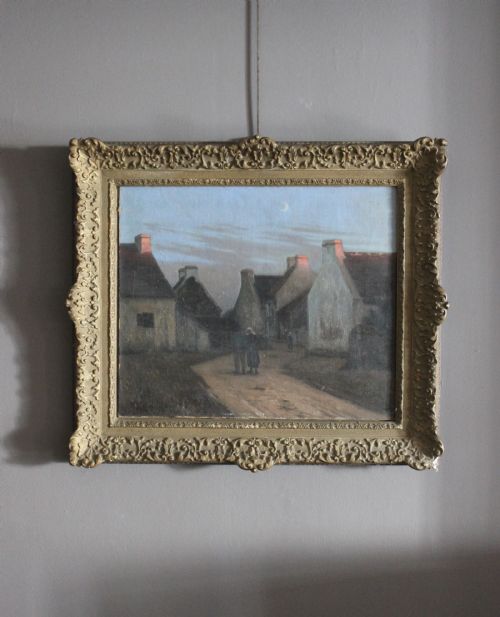
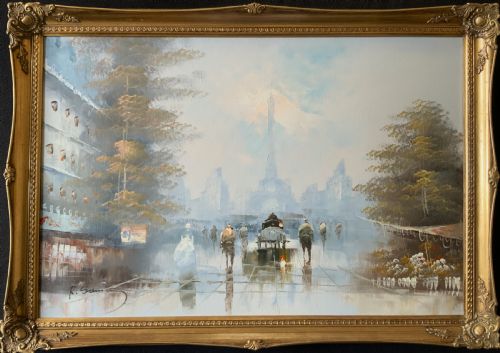
These pieces captured under french street art bring urban Parisian life, bustling boulevards and provincial squares directly to the wall.
French Street Art
Buyers seeking french street art encounter a rich variety of urban townscapes, bustling city scenes and architectural watercolours spanning from the nineteenth century through the mid-twentieth century. The selection ranges from wide Parisian boulevards under impressionist brushwork to quiet provincial markets and winter street views.
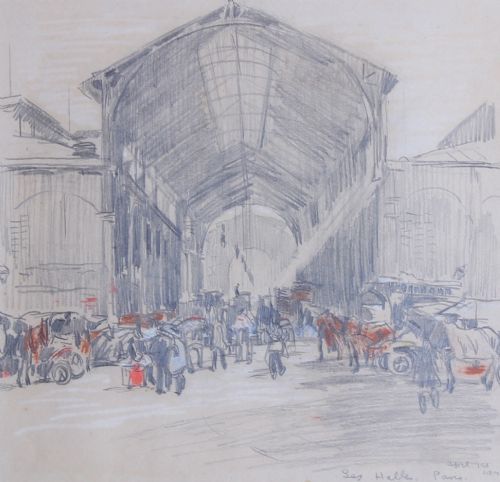
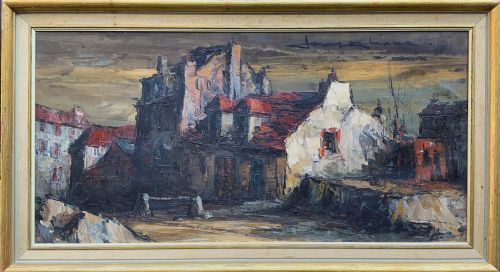
The most common form on this page is the oil painting on canvas or board, often housed in a vintage gilt wood frame. These works capture specific urban moments, from horse-drawn carriages outside nineteenth-century salons to mid-century views of Montmartre and the Eiffel Tower.
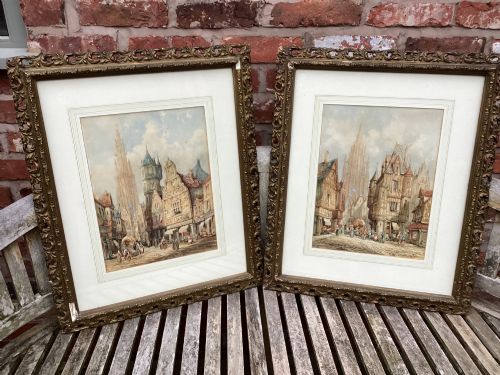
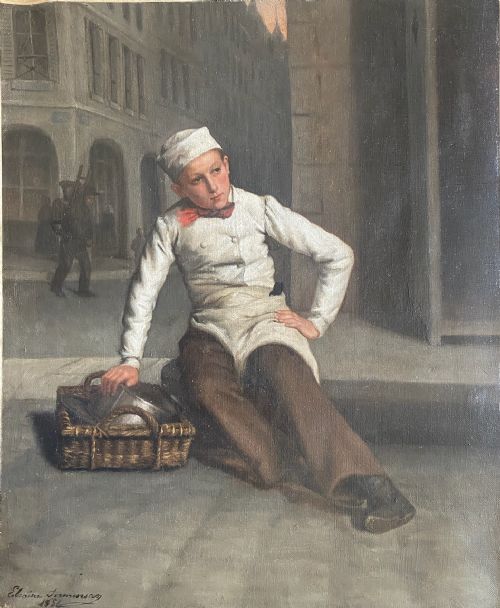
The tradition encompasses several distinct movements, including Belle Epoque cityscapes, post-impressionist cathedral scenes and mid-century impressionism. Works often focus on the daily rhythm of city life, featuring figures navigating squares, bridges and cafes across France.
Materials and construction
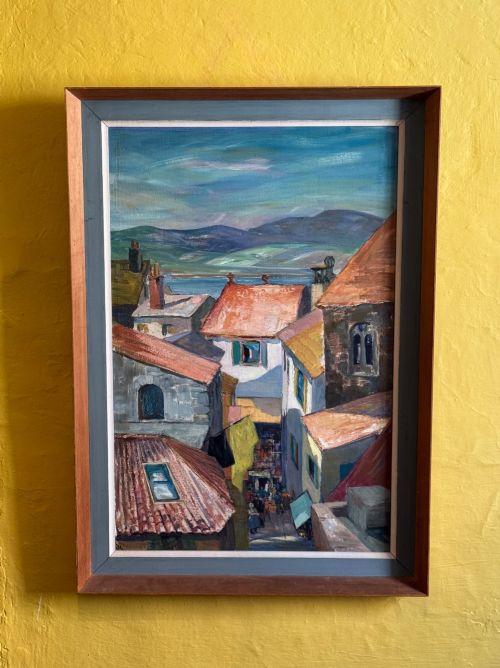
Works in this category rely primarily on oil paint applied to canvas or wood board, capturing light and texture across bustling urban scenes. Watercolour and pastel on paper appear less frequently, offering a lighter touch for townscapes and genre pieces.
Frames play a significant role in presentation, with many pieces set within original wood frames or heavily ornamented gilt wood surrounds. The interplay between the painted surface and the gilded moulding defines the visual weight of these townscapes.
French Street Art Retail Price Guide 2026
Typical asking prices for french street art among the pieces listed under this phrase on Sellingantiques today, from the lower quarter to the upper quarter. They describe what is for sale here now, not the wider market.
Listings feature oil on canvas, wood, paper and gilt wood frames across periods from the nineteenth century to the 1960s.
Determinants of quality
Quality rests in the handling of light and atmosphere, distinguishing evocative depictions of Parisian morning bustle from formulaic reproductions. The best examples employ confident, expressive brushstrokes that convey movement and weather without overworking the canvas.
The integration of the artwork with its period frame contributes significantly to the overall integrity of the piece. Surviving works retain their original wood or gilt surrounds, which complement the tonal range of the street scene within.
Albert Ludovici Jnr·Caroline Burnett·Victor Gabriel Gilbert·Cecil Rochfort D'Oyly-John·Merio Ameglio·Léon Joseph Voirin·Eduard Leon Cortes·Joseph W Milliken·Albert Guillaume·Henry Schafer·Letitia Marion Hamilton
The French Street Art Glossary
- Post-Impressionism
- An art movement extending roughly from the late nineteenth century that rejected naturalism in favour of expressive use of form and colour. These works often emphasise bold outlines and simplified pictorial elements.
- Belle Epoque
- A period of French history spanning the late nineteenth century up to the First World War, characterised by optimism and flourishing arts. Townscapes from this era frequently depict elegant Parisian street life.
- Genre painting
- The pictorial representation of scenes from everyday life, typically involving figures engaged in common activities. In this context, it includes markets, cab rides and street interactions.
- Gilt wood
- Wood that has been treated with a thin layer of gold leaf or gilt paint. Many period frames utilise this technique to enhance the visual warmth of oil paintings.
French Street Art: Frequently Asked Questions
What periods do these paintings cover?
The selection spans from the nineteenth century through the mid-twentieth century, encompassing nineteenth-century realism, Belle Epoque scenes and mid-century impressionism.
Most works cluster around the early twentieth century and the post-war decades, reflecting enduring artistic interest in French urban life.
How should I frame an oil painting?
Many pieces arrive in their original gilt wood or timber frames, which complement the era of the canvas. Preserving these historic housings maintains the authentic character of the artwork.
If framing an unmounted canvas, choose a timber or gilded moulding appropriate to the mid-century or nineteenth-century aesthetic of the street scene.
What subjects are most common?
Urban motifs dominate the category, featuring Parisian boulevards, famous landmarks like the Eiffel Tower and the Pont Neuf, and snowy Montmartre streets. Provincial townscapes, markets and architectural studies of cathedrals also appear frequently.
Figures, horses and carts frequently animate these city scenes, capturing the daily movement of pedestrian life.
Are watercolours common in this style?
While oil on canvas and board form the majority of the collection, works on paper do appear among the townscapes. These watercolour and pastel pieces offer a different textural quality while maintaining the focus on French street life.
Works on paper require careful glazing and protection from direct sunlight compared to durable oil paintings.