

French Silver Mirror
A french silver mirror brings continental polish to a room, offering reflective depth framed in period metalwork or gilded wood.
French Silver Mirror
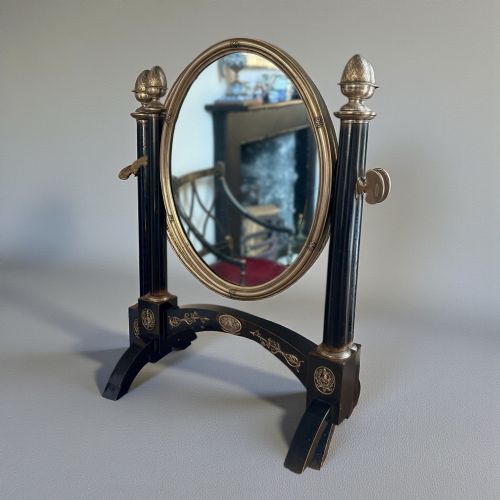
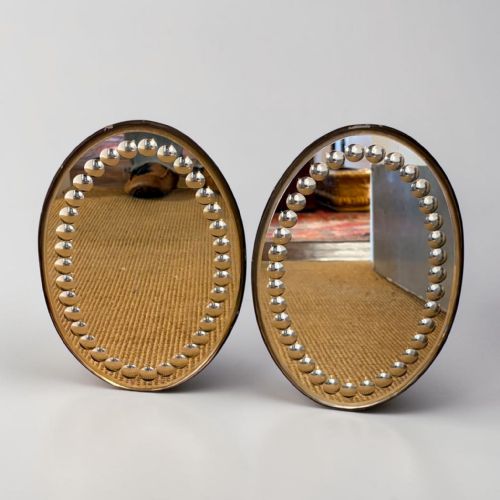
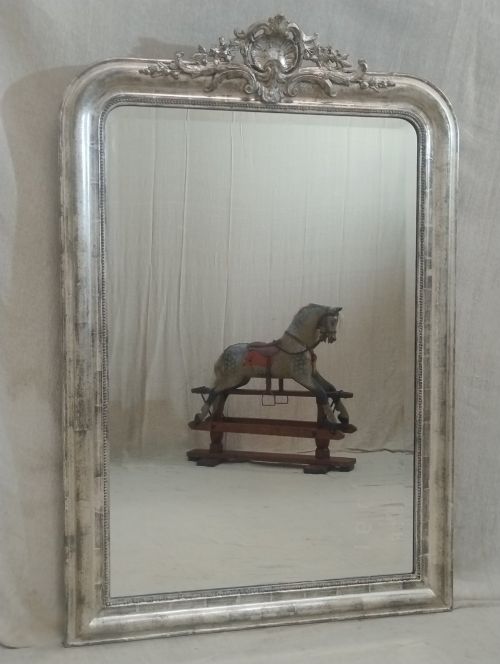
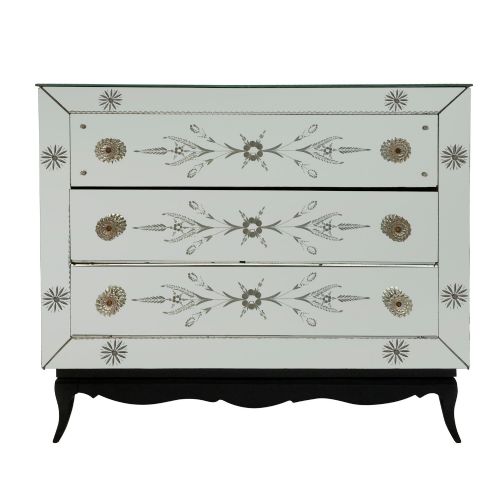
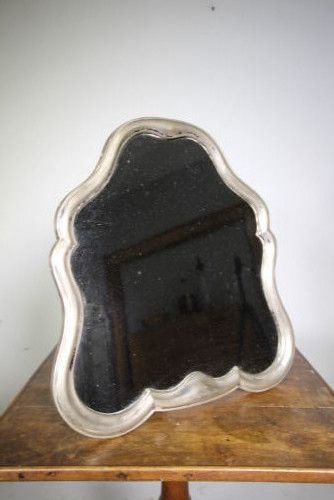
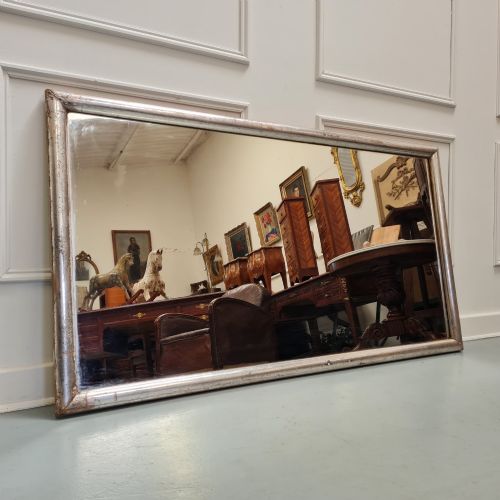
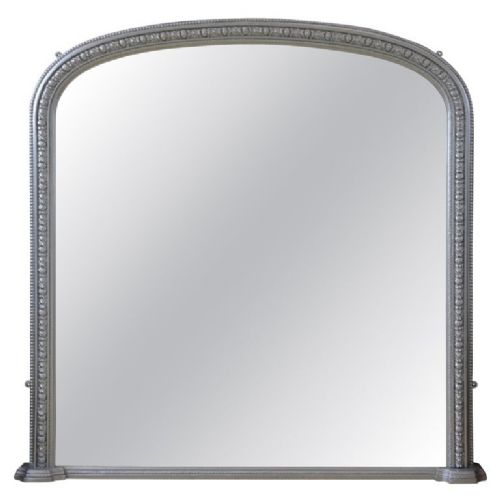
When buyers search for a french silver mirror, they encounter pieces ranging from substantial overmantels to smaller vanity and toilet glasses. The selection leans heavily toward nineteenth-century wall and overmantel forms, alongside art deco pieces and earlier eighteenth-century examples.
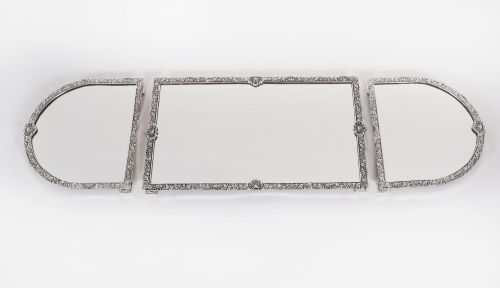
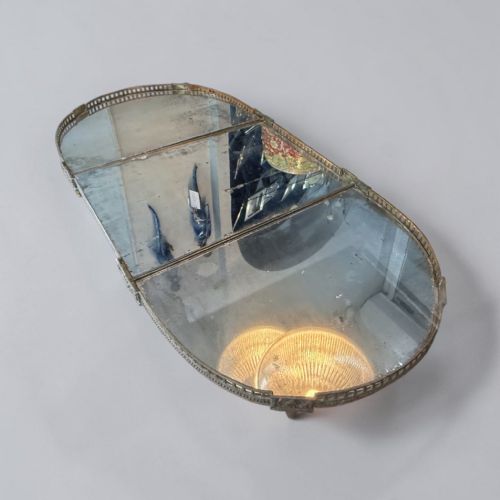
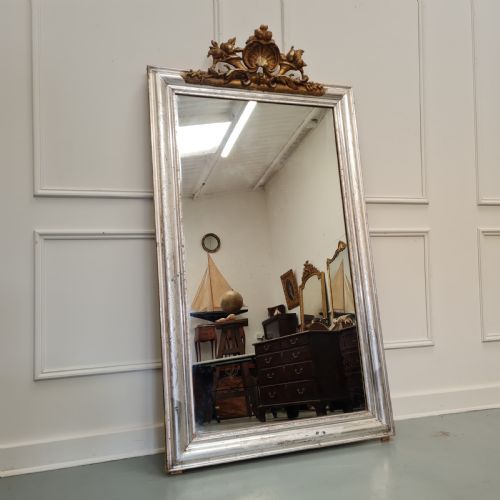
Makers and craftsmen utilised diverse formats, including arched tops, rectangular plates, and circular frames. Alongside standard wall mirrors, the category encompasses plateau mirrors, dressing table glasses, and specialised bathroom fittings.
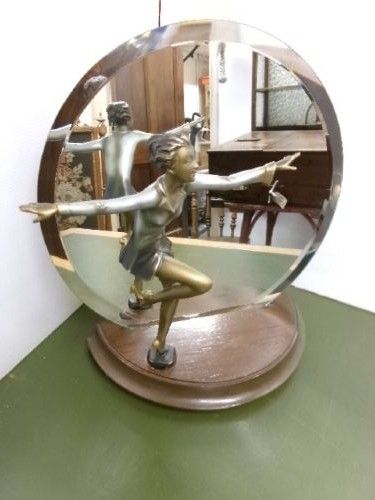
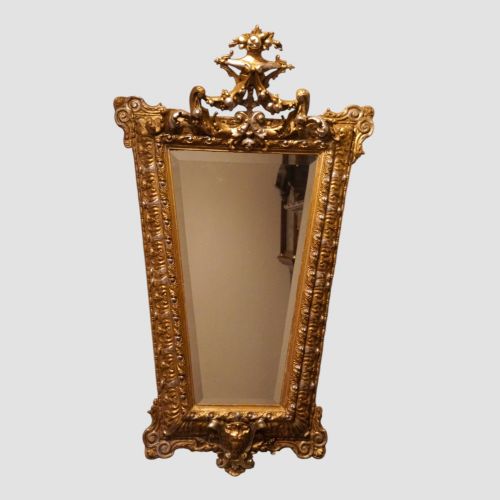
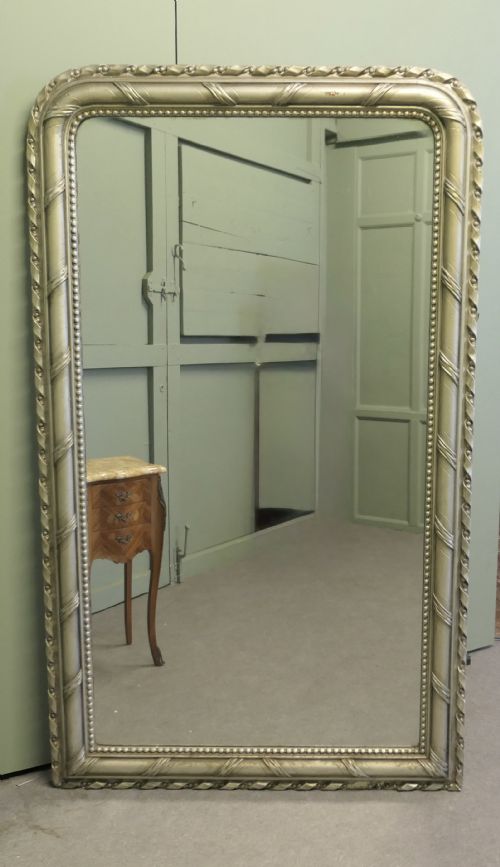
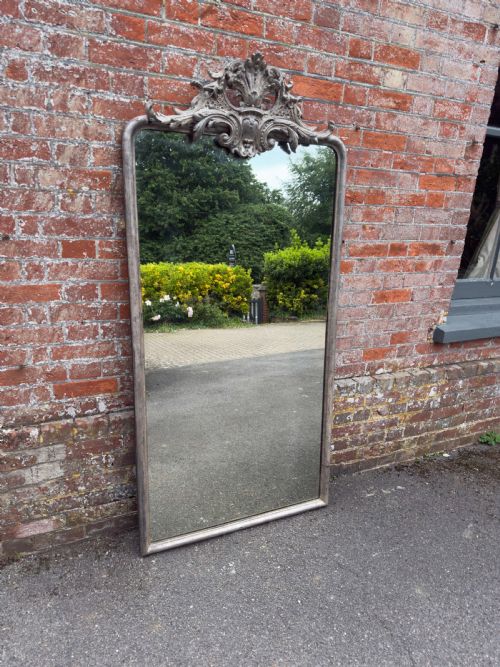
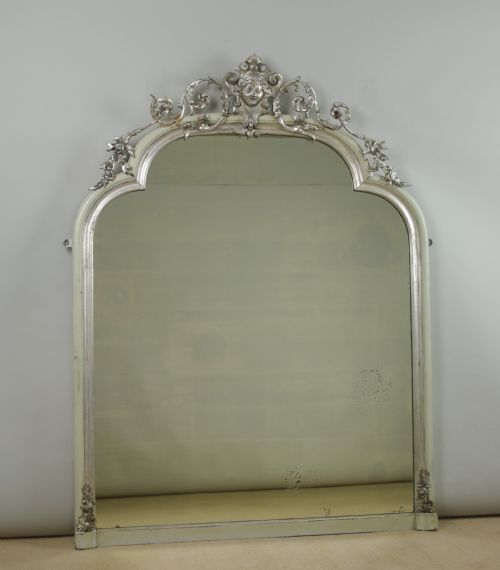
The aesthetic bridges several distinct movements, encompassing louis philippe restraint, rococo revival ornamentation, and geometric art deco lines. These diverse designs reflect the evolving tastes of French interiors across multiple centuries.
Materials and construction
Frames rely significantly on carved wood and gesso foundations, providing the dimensional structure necessary for heavy silver leaf or silver gilt applications. Metalwork variants utilise silver plating, silvered metal, brass, and spelter.
Glass plates are set within these frames, sometimes featuring etched designs or original silvered surfaces that show age. Joinery and backing boards typically consist of traditional timbers suited to the period of manufacture.
The listings span periods from the 18th century through to the 1930s, featuring glass, silver leaf, wood, gesso, and brass.
Judging the work
The integrity of the carved wood and gesso beneath the silver leaf dictates the crispness of decorative detail on nineteenth-century examples. Superior execution shows precise definition in foliage scrolls and architectural moulding.
Originality of the glass plate and the depth of the silvering contribute substantially to the character of the piece. Hand-applied silver gilt and silver leaf age differently across decades, creating variations in surface texture.
Jean Gille·Brot
The French Silver Mirror Glossary
- Silver gilt
- Wood or metal coated with a thin layer of silver that is subsequently gilt. This technique combines the cool tone of silver with the warmth of gold leaf.
- Gesso
- A plaster-like mixture applied to wood frames to create a smooth surface for carving and gilding. It allows for intricate relief ornamentation.
- Overmantel mirror
- A large wall glass designed specifically to hang above a mantelpiece. These pieces often feature extended horizontal proportions or arched crests.
- Surtout de table
- A large plateau or mirror placed in the centre of a dining table to hold candelabra or decorative centrepieces. They reflect candlelight across the dining surface.
- Sorcerer mirror
- A convex mirror that creates a wide-angle, distorted reflection of the room. They were popular conversation pieces in nineteenth-century interiors.
- Louis Philippe
- A mid-nineteenth-century French style characterised by restrained classical proportions, gentle curves, and minimal ornamentation. These frames often feature rounded top corners.
French Silver Mirror: Frequently Asked Questions
How do I date a french silver mirror?
Dating relies on examining the construction methods of the frame, the backing boards, and the characteristics of the glass plate. Nineteenth-century examples often display hand-carved gesso work, whilst art deco pieces from the 1920s show geometric framing.
Changes in silvering techniques and hardware also provide clues to the decade of manufacture. Comparing stylistic markers like louis philippe curves or rococo revival scrolls helps narrow down the period.
What is an overmantel mirror?
An overmantel mirror is a large glass created to sit directly above a fireplace mantel. These pieces were proportioned to fill the vertical space between the fireplace and the cornice.
They frequently feature arched tops and heavy silver gilt frames designed to anchor the room's decorative scheme.
How were plateau mirrors used?
Plateau mirrors functioned as table centrepieces designed to sit on dining or side tables. They often stood on small feet and were used to display silver objects, porcelain, or candelabra.
The reflective surface amplified the light from candles during evening meals.
Are original mirror plates common?
Many older pieces retain their original glass plates, which often exhibit characteristic foxing and soft oxidation. These natural age marks distinguish antique glass from modern replacements.
The quality of the original silvering varies according to the manufacturing date and workshop standards.