




French Silver Collectible
These french silver collectible pieces bring tangible refinement to a room, offering functional objects and decorative articles crafted with continental flair.
French Silver Collectible
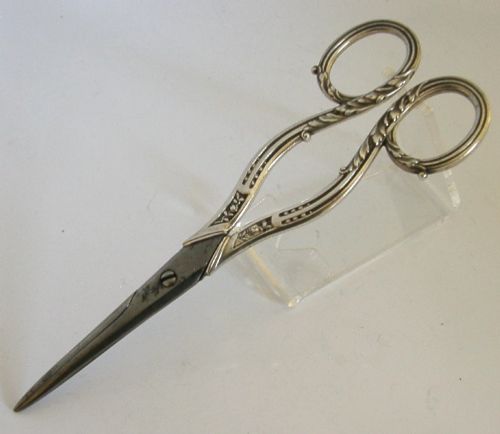
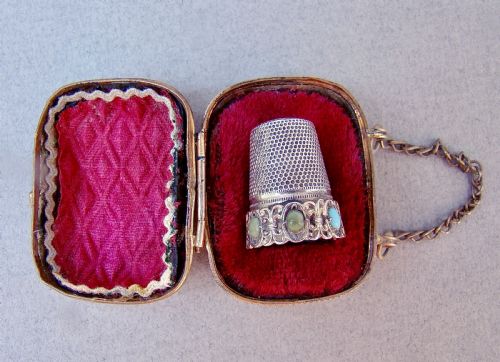
When you search for french silver collectible items, you are looking at a diverse assortment of small decorative and functional objects originating from France. These pieces range from nineteenth-century sewing accessories and pill boxes to mid-century tableware and modernist sculptures.
The versions you are most likely to meet on this page span several distinct periods, including the nineteenth century, Art Deco, and mid-century modern design. They frequently combine precious metal with materials like enamel, hard stone, and ormolu.
Makers and workshops utilised various styles such as Art Nouveau, French Empire, and Belle Epoque to ornament domestic spaces and personal accessories. Each piece reflects the aesthetic priorities of its specific decade of production.
How They Were Made
Craftsmen utilised sterling silver, silver plate, and silver gilt as the primary metallic foundations for these objects. Techniques such as casting and chasing allowed artisans to form intricate decorative motifs across handles, boxes, and sculptural elements.
Enamelling, particularly guilloche work, added vibrant colour and geometric patterns to compacts and pill boxes. Artisans also integrated organic and mineral substances, combining silver with hardwood, steel, or stone settings.
Specialised workshops employed fire-gilding and mechanical stamping for smaller items like souvenir spoons and chatelaine cases. Structural integrity was maintained through precise joining of metal components and fitted hardware.
French Silver Collectible Retail Price Guide 2026
Typical asking prices for french silver collectible among the pieces listed under this phrase on Sellingantiques today, from the lower quarter to the upper quarter. They describe what is for sale here now, not the wider market.
Listings include materials such as sterling silver, ormolu, steel, and enamel across objects spanning the eighteenth to twentieth centuries.
What Varies in Quality
The standard of execution in chased and cast ornamentation distinguishes finer examples from simpler production. Crisp lines in the metalwork and detailed relief show the hand of a skilled artisan rather than a hurried workshop.
The preservation of delicate surfaces, such as applied enamel or gilding, affects the overall integrity of the piece. Intact coloured glass layers and uncompromised metal finishes indicate careful stewardship over time.
The integration of secondary materials, such as fitted stone insets or mechanism components, reveals the maker's precision. Quality rests on the harmonious balance between functional utility and decorative refinement.
Hermes Paris·Claire Colinet·Dumarest
The French Silver Collectible Glossary
- Sterling Silver
- An alloy consisting of pure silver and other metals, usually copper, to increase durability while maintaining a bright lustre.
- Guilloche Enamel
- A decorative technique where a precise geometric pattern is engraved into metal and covered with translucent enamel.
- Ormolu
- A metallic alloy of copper, zinc, and sometimes tin, cast and gilded to resemble gold, often used for mounts and cases.
- Chatelaine
- A decorative belt hook worn with suspended chains carrying household accessories like scissors, thimbles, or keys.
- Silver Gilt
- Silver that has been coated with a thin layer of gold on its surface, sometimes referred to as vermeil.
French Silver Collectible: Frequently Asked Questions
What periods do these silver items come from?
The pieces span from the eighteenth century through to the mid-twentieth century, capturing distinct design movements.
You will find examples representing the nineteenth century, Art Nouveau, Art Deco, and mid-century modern production.
How do I care for silver and enamel items?
Keep these objects away from direct sunlight and moisture to protect vulnerable surfaces like enamel and stone insets.
Gentle dusting with a soft cloth is usually sufficient, avoiding abrasive silver polishes that might damage applied finishes or gilding.
What materials are typically combined with the silver?
Makers frequently paired silver with materials such as guilloche enamel, ormolu, steel, and hardwood.
Some objects also feature inset coins, stones, or glass elements designed to enhance their decorative appeal.
Are these objects purely decorative or functional?
Many of these items served practical daily functions in past households, such as sewing, writing, or grooming.
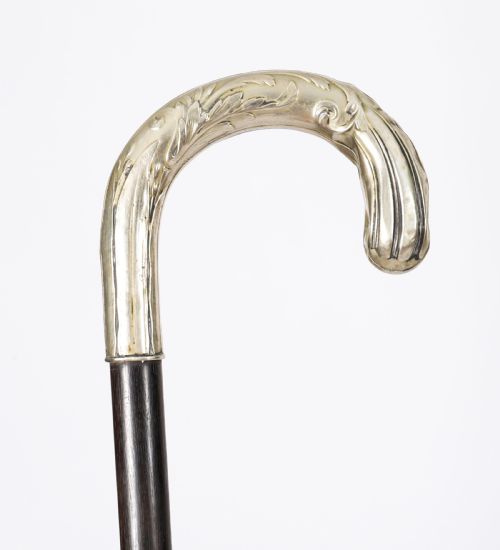
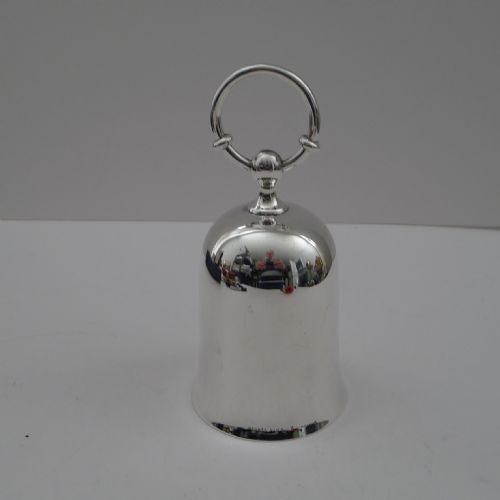
Pieces like pill boxes, walking sticks, and table bells combine utility with fine craftsmanship.