






French Sculptural Table Clock
A french sculptural table clock combines precision timekeeping with expressive figural casting, offering a commanding centrepiece for any mantel.
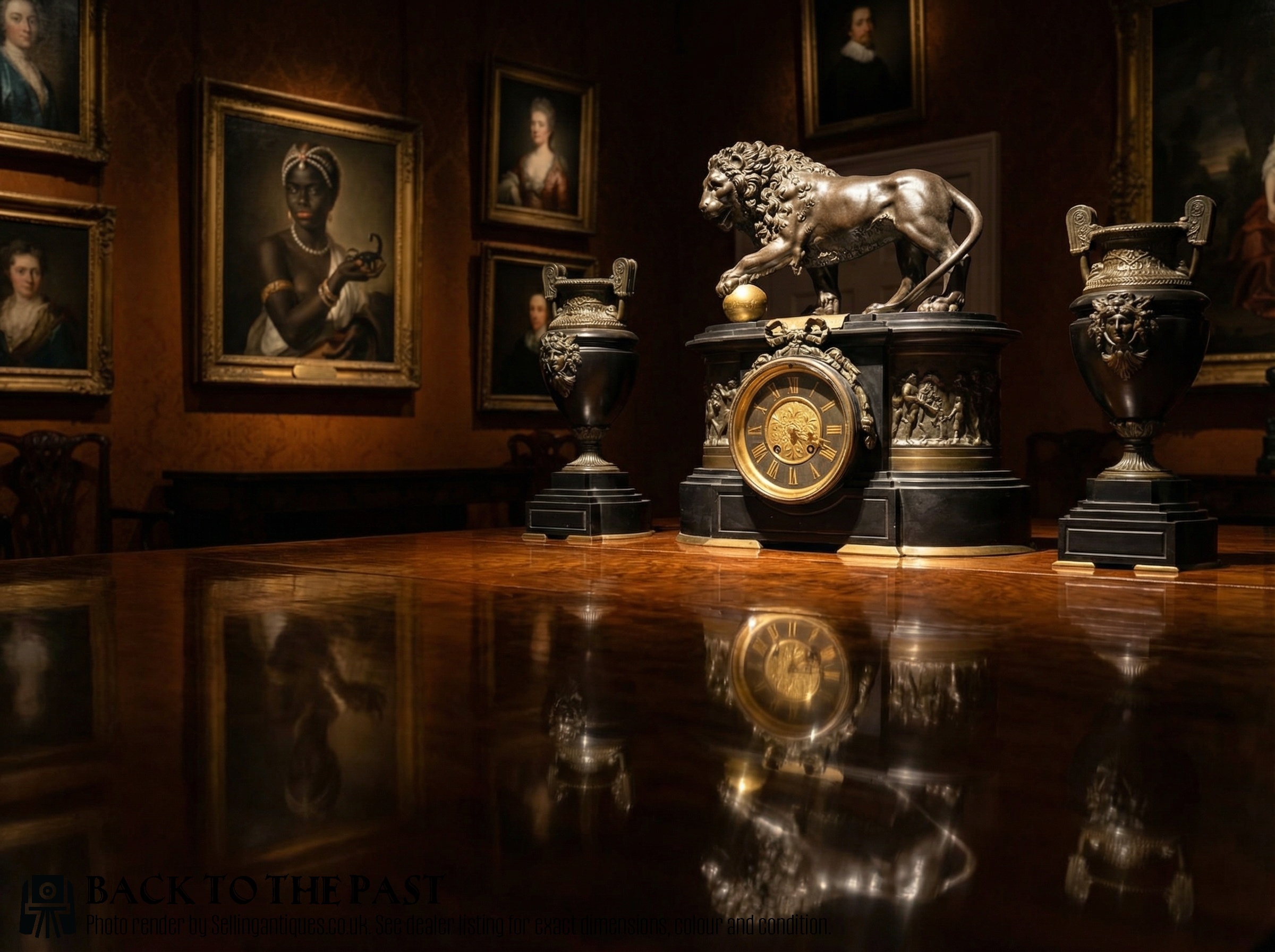
French Sculptural Table Clock
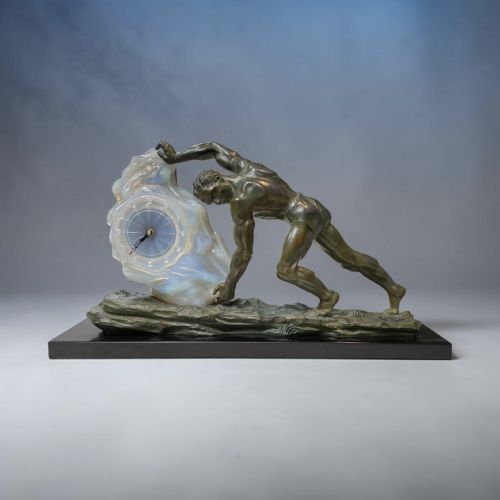
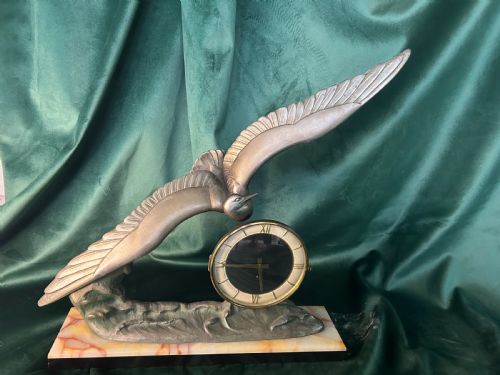
A french sculptural table clock brings together a mechanical timekeeping movement and a prominent cast or carved figural subject, most frequently taking the form of mantel clocks set upon marble or bronze bases. These objects emerge from nineteenth century and early twentieth century workshops, spanning periods from the eighteen hundreds through the Victorian era and into the early nineteen hundreds.
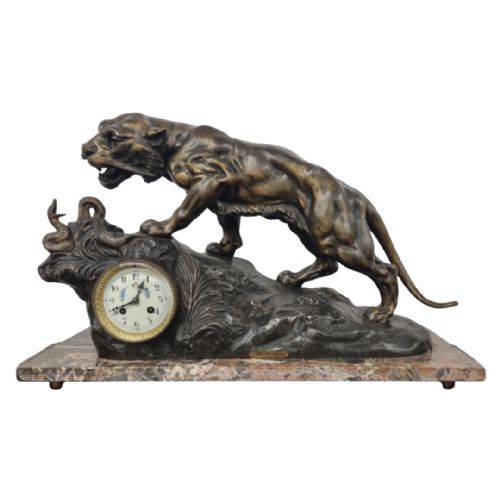
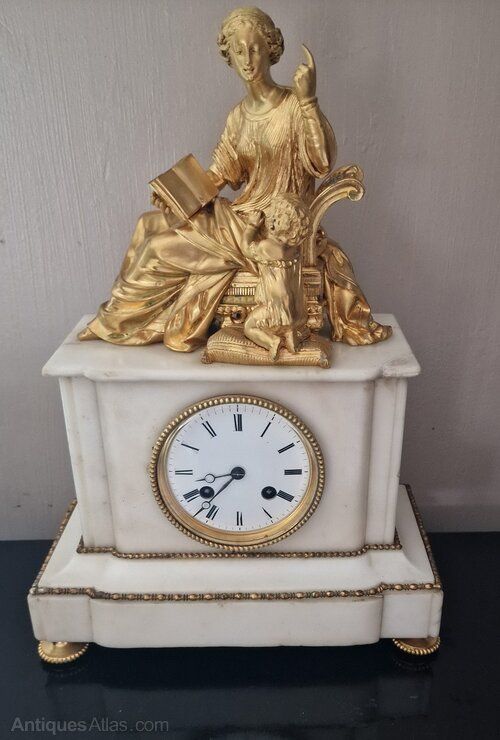
The decorative vocabulary draws heavily from established European movements, featuring French Neoclassical, French Rococo Revival, Art Nouveau, and Renaissance Revival designs. Figures such as putti, cherubs, lions, tigers, and allegorical subjects like L'Aurore populate the cast metalwork, turning a standard timepiece into an ornamental sculpture.
Buyers will encounter various formats on this page, ranging from single mantel clocks to complete mantel clock garnitures accompanied by matching side pieces. The predominant materials combine heavy natural stone with cast metal alloys, creating substantial objects designed to anchor a room.
Materials and construction
The structural body of these clocks relies on combinations of marble, glass, and cast metals including brass, bronze, spelter, and ormolu. Gilt bronze and fire gilding provide a bright surface finish, while variegated marble or slate forms heavy foundational plinths.
Intricate figures and decorative mounts are produced through metal casting, followed by manual chasing and surface finishing. Enamel dials, often featuring painted numerals, are fitted behind protective glass bezels to house the mechanical movements.
French Sculptural Table Clock Retail Price Guide 2026
Typical asking prices for french sculptural table clock among the pieces listed under this phrase on Sellingantiques today, from the lower quarter to the upper quarter. They describe what is for sale here now, not the wider market.
Listings feature works spanning the nineteenth and early twentieth centuries, utilising materials from white marble to spelter and ormolu.
Markers of quality
Quality reveals itself in the crispness of the metal chasing and the depth of the sculptural modeling, where sharper details in figures and foliage separate finer workshop output from simpler commercial castings. The weight and selection of the marble base also indicate the tier of the piece.
The integration between the sculptural group and the clock housing dictates overall harmony, with superior examples showing intentional composition rather than an assembled look. Movement signatures and dial execution provide further indication of the maker's standing.
R Varnier·Berger Paris·Lemerle Charpentier·François Linke·François Moreau
The French Sculptural Table Clock Glossary
- Ormolu
- Gilt bronze produced by applying a mercury and gold amalgam to a bronze base and heating it. This technique yields a durable, luminous golden surface found on better nineteenth century decorative objects.
- Spelter
- A zinc alloy frequently used as a cost effective alternative to bronze for figural castings. It is softer than bronze and typically takes a painted or patinated finish to simulate richer metals.
- Garniture
- A set consisting of a central clock flanked by matching decorative objects such as urns or candelabra. These sets were designed to create a balanced display across a mantelpiece.
- Drum head clock
- A clock design where the movement is housed in a circular drum shape, often elevated on a marble or metal plinth. It provides a clean profile that highlights the surrounding sculptural elements.
- Animalier
- A nineteenth century artistic style focused on the realistic depiction of animals in action or repose. In clockmaking, this appears in fierce predators or naturalistic creatures integrated into the case design.
French Sculptural Table Clock: Frequently Asked Questions
How do I wind a french sculptural table clock?
Most mechanical movements require a key to tension the springs through dedicated winding arbors on the dial face. Care must be taken not to overwind the springs.
Consulting a professional clockmaker for initial setup ensures the pendulum is hung correctly and the beat is set even after transport.
Where should I place a heavy marble clock?
The substantial weight of marble and bronze requires a sturdy, level surface such as a heavy sideboard or a reinforced mantelpiece. Placing the clock away from direct sunlight and drafts protects the movement and exterior finish.
Ensuring the surface does not warp prevents the pendulum from hanging unevenly, which would otherwise stop the clock.
How do I identify the period of a clock?
Stylistic cues such as asymmetric Rococo curves, clean Neoclassical columns, or flowing Art Nouveau lines provide the first indication of date. Maker signatures and registry marks on the movement backplate offer precise chronological markers.
Comparing the casting methods and materials against documented examples from the nineteenth century helps narrow down the decade of production.
What maintenance do antique clock movements need?
Mechanical clocks require periodic cleaning and lubrication by a qualified horologist to remove dust and dried oils from the gear train. Regular professional servicing prevents excessive wear on the brass pivots and wheels.
Between services, keeping the glass bezel closed and dusting the exterior with a soft brush preserves the delicate gilding and marble surfaces.