


French Rococo Gilt Clock
A french rococo gilt clock brings asymmetrical C-scrolls and brilliant metallic warmth into a room.
French Rococo Gilt Clock
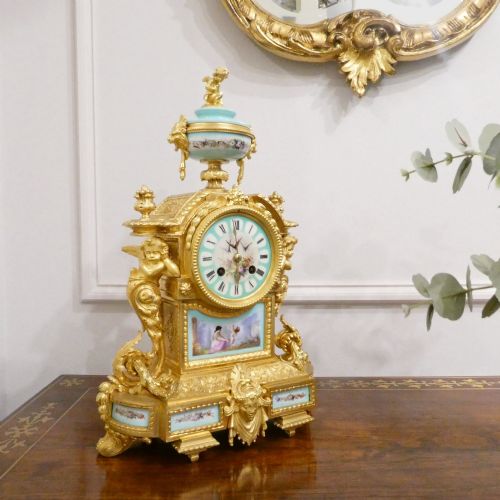
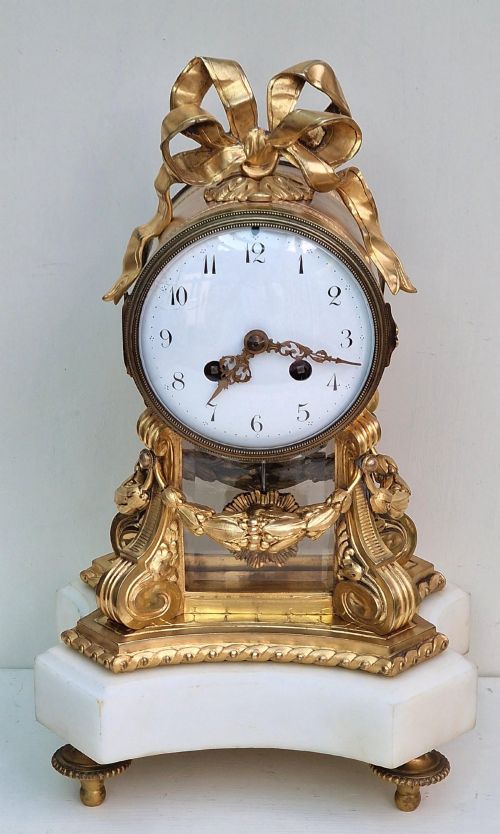
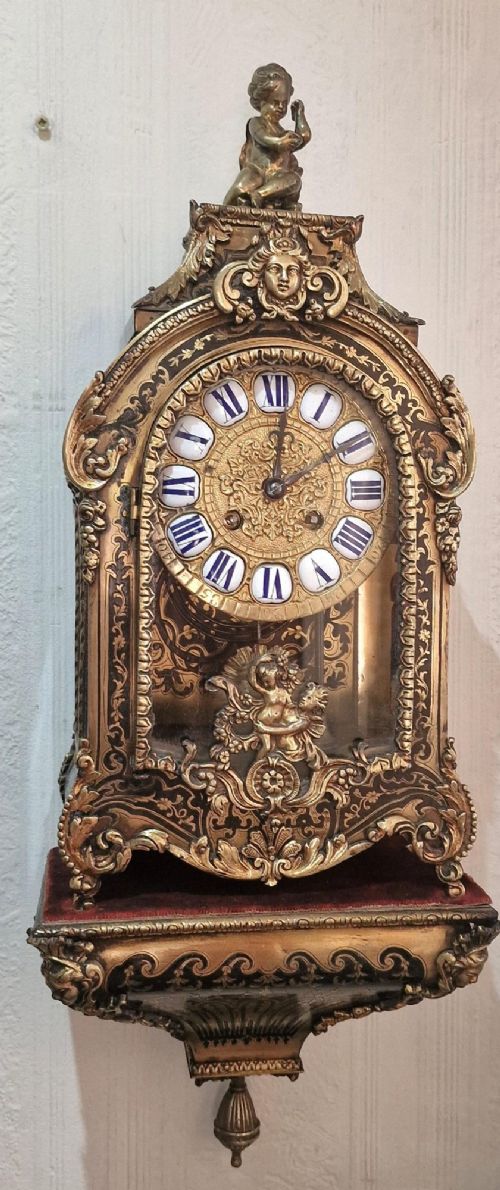
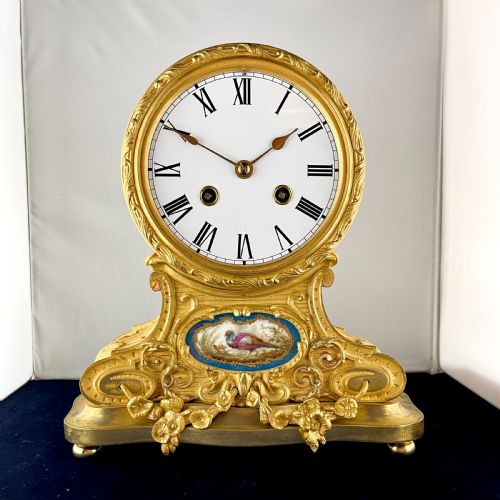
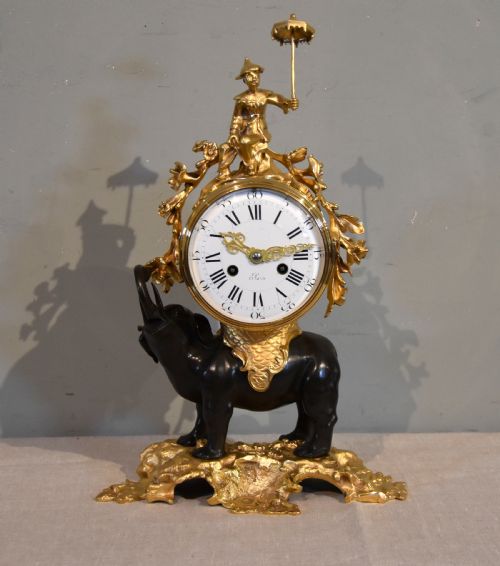
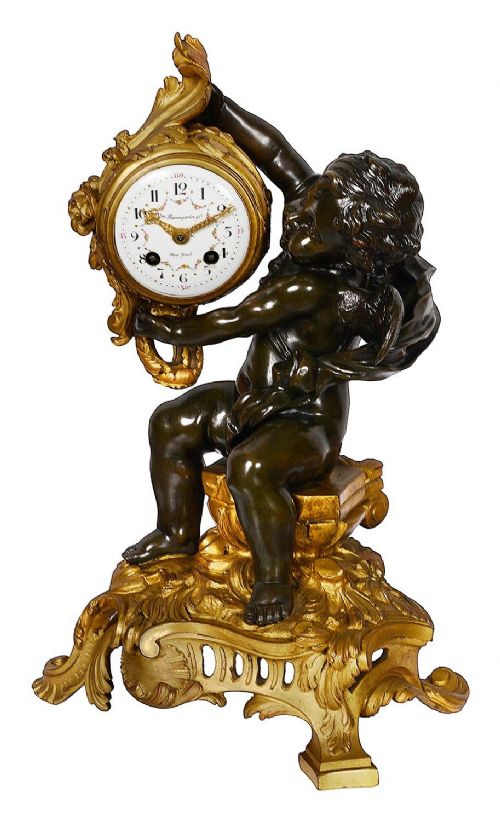
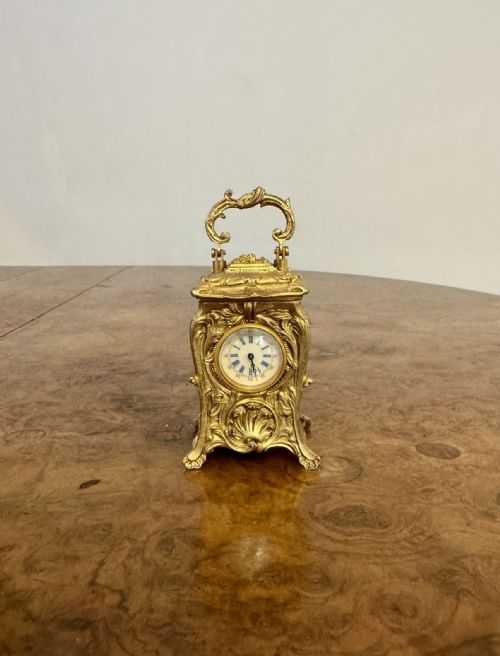
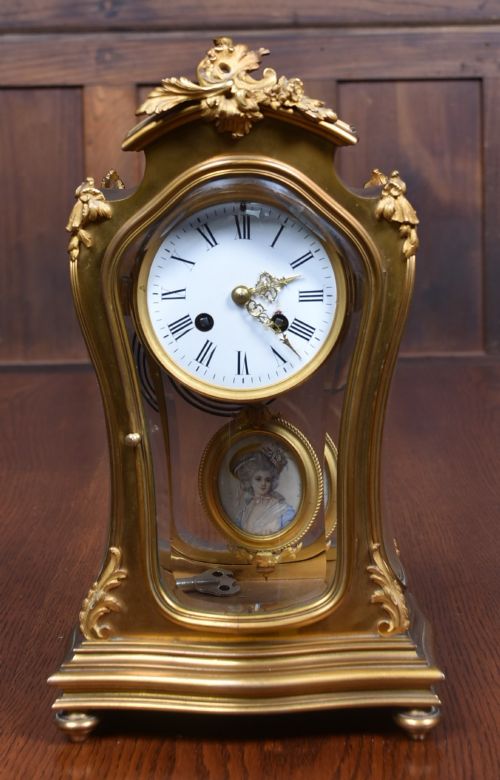
A french rococo gilt clock is primarily encountered as a nineteenth-century mantel clock or wall cartel, drawing heavily on eighteenth-century Louis XV aesthetics. These pieces feature spirited casting with naturalistic motifs, asymmetrical cartouches, and abundant gilt surfaces designed to catch candlelight and daylight alike.
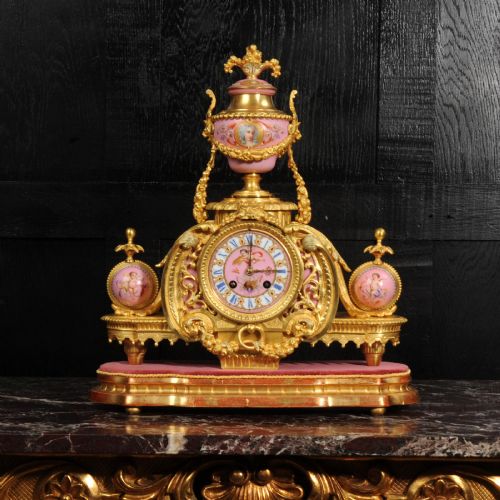
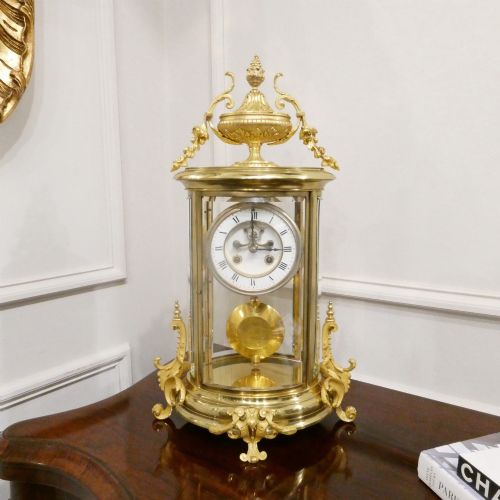
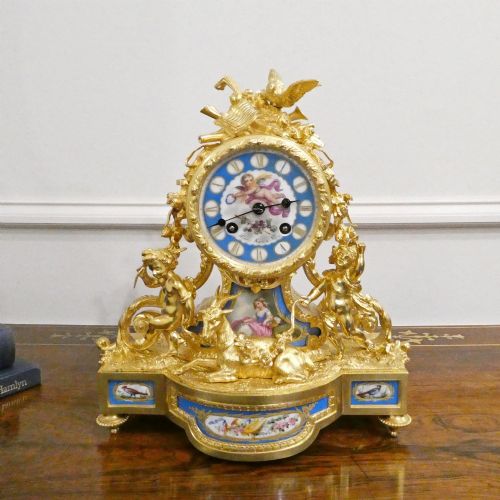
Makers and workshops frequently paired these sculptural gilt frames with painted porcelain plaques, white enamel chapter rings, or visible mercurial pendulums housed in four glass panels. Garniture sets, comprising the central clock flanked by matching candelabras or urns, also appear frequently across the archive.
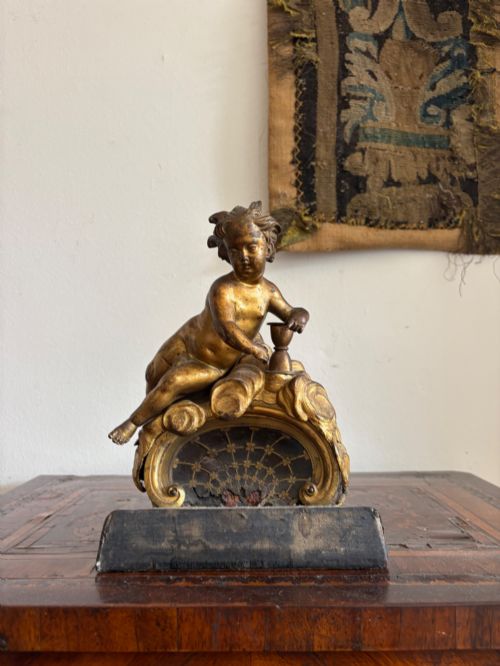
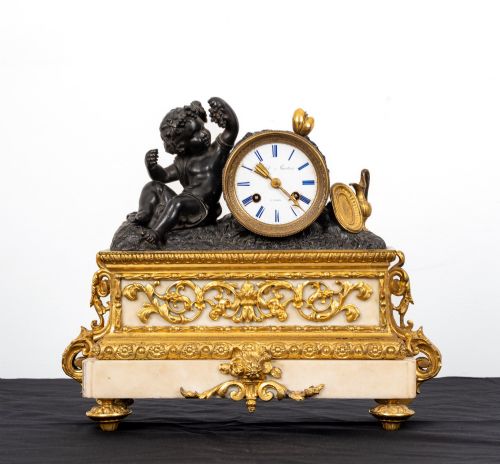
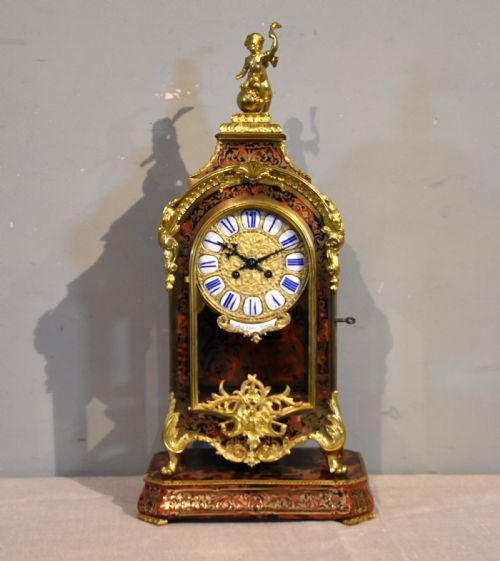
The dominant forms span from compact drumhead cases to monumental figural compositions involving cherubs, musical attributes, and mythological figures such as Neptune. Surviving examples reflect the intense revivalism of the Victorian era, particularly the decades between eighteen-sixty and nineteen-ten.
Materials and construction
Foundries utilised cast bronze, brass, and gilt metal, applying mercury gilding or modern electroplating to achieve a deep, enduring metallic lustre. Artisans frequently combined these gilded frames with contrasting materials like tortoiseshell in Boulle work, white marble bases, and hand-painted porcelain panels from factories such as Sèvres.
Movement manufacture was a specialised industrial craft in France, with prolific Paris-based horological houses supplying mechanical movements to retailers and case-makers. Movements typically featured an anchor escapement and short pendulum, often striking the hours and halves on a tuned bronze bell.
Listings feature movements by prominent Paris horologists alongside gilt bronze, brass, porcelain, and tortoiseshell materials across the nineteenth century.
Factors of quality
Quality rests upon the crispness of the bronze chasing and the depth of the original gilding, where hand-finished chiselling distinguishes superior castings from mass-produced softness. Heavier gauge metalwork and complex, multi-part asymmetrical cases indicate higher workshop standards.
The sophistication of the internal movement and the signature of a renowned maker add significant weight, as skilled horologists paired reliable striking trains with finely executed porcelain dials and intricate figural ornaments.
Achille Brocot·Samuel Marti·Henry Marc·Japy Freres·Leroy Paris·PH Mourey·Leon Message·Vincenti·A.D. Mougin
The French Rococo Gilt Clock Glossary
- Ormolu
- Gilded bronze produced through an amalgamation of mercury and gold leaf applied to a cast bronze base, creating a characteristic warm metallic glow. This historic technique was largely superseded by safer electroplating methods late in the nineteenth century.
- Cartel clock
- A wall-hung clock encased in an ornate, asymmetrical frame of gilt metal or wood, popular throughout the rococo periods. These pieces mount directly to wall fixings rather than resting on mantelpieces.
- Garniture
- A decorative matching set consisting of a central clock accompanied by twin urns, candelabras, or vases. These balanced arrangements dominated nineteenth-century interior display on mantelpieces.
- Champlevé
- An enamelling technique where troughs are dug into a metal surface and filled with vitreous paste before firing. The resulting colourful patterns accent the surrounding gilt bronze mounts.
- Boulle work
- Marquetry technique utilising inlaid tortoiseshell and engraved brass, named after the master cabinetmaker André-Charles Boulle. Pieces incorporating this method display distinct contrasting dark shell and metallic shimmer.
French Rococo Gilt Clock: Frequently Asked Questions
How do I wind the clock?
Most mechanical movements require a matching winding key inserted into arbors on the enamel dial to tension the spring barrels. Turning the key gently until resistance is felt powers the time and strike trains.
Care must be taken not to overwind the springs, and striking trains should be allowed to complete their sequence without manual interruption.
Are these clocks accurate timekeepers?
Nineteenth-century mechanical movements rely on pendulum swing and escapement teeth, which are sensitive to temperature and cabinet level. Regular setting and professional calibration are necessary for reliable daily timekeeping.
Many collectors appreciate them as sculptural works of art where exact modern precision is secondary to historical operation.
How should I clean the gilt bronze?
Dusting with a soft, dry artist brush prevents particulate accumulation in the intricate recesses of rococo casting. Liquid polishes and abrasive cloths must be avoided to protect the delicate gilt layer from stripping.
Professional conservation is recommended for tarnished or neglected surfaces requiring chemical intervention.
Where should I place a heavy clock?
A sturdy mantelpiece or firm wall bracket is essential to support the substantial weight of cast bronze and marble cases. The supporting surface must be perfectly level to ensure the pendulum beats evenly.
Placing the piece away from direct sunlight and damp environments protects both the internal movement and delicate porcelain or tortoiseshell elements.