



French Revival Seating
French revival seating brings ornate continental elegance into British interiors through carved frames, gilded finishes, and period upholstery.
French Revival Seating
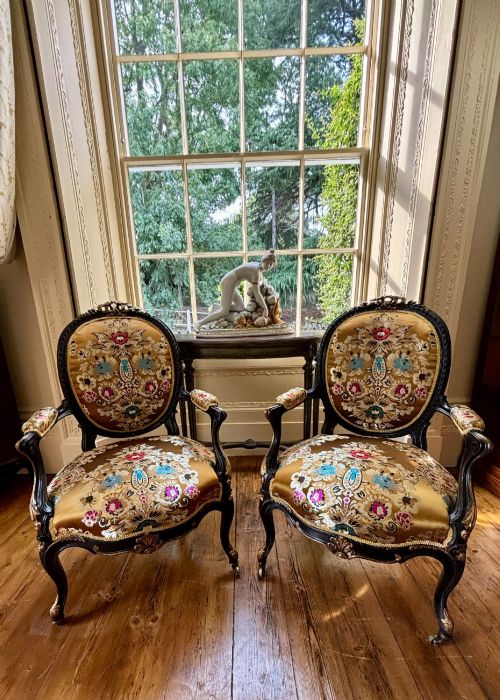
French revival seating encompasses armchairs, side chairs, settees, salon suites, and stools produced primarily during the nineteenth and early twentieth centuries. These pieces appropriate historical continental aesthetics, drawing heavily from seventeenth and eighteenth-century monarchical design vocabulary.
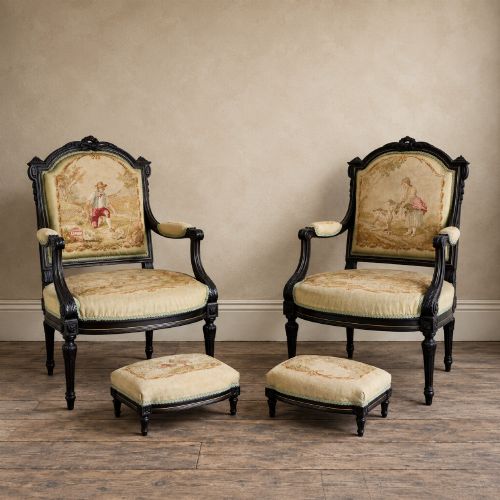
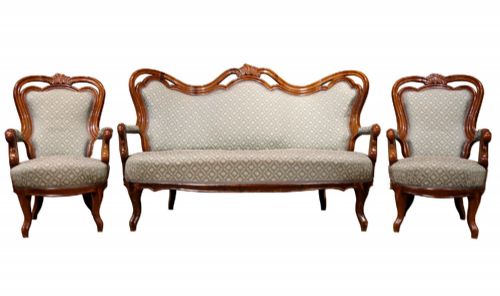
Buyers seeking french revival seating encounter distinct stylistic interpretations ranging from exuberant Rococo forms with asymmetric curves to restrained Louis XVI Neoclassical lines. Walnut and giltwood frames frequently appear alongside mahogany, oak, and beech supports.
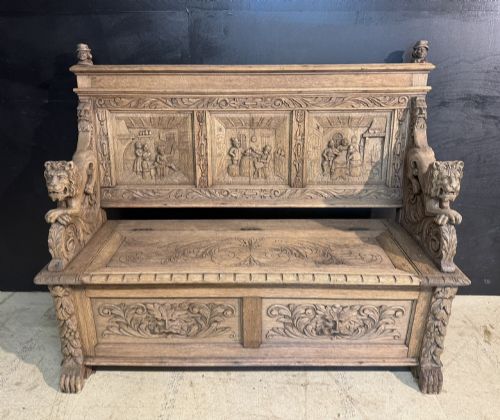
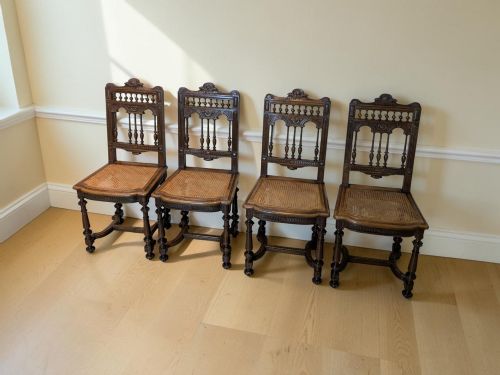
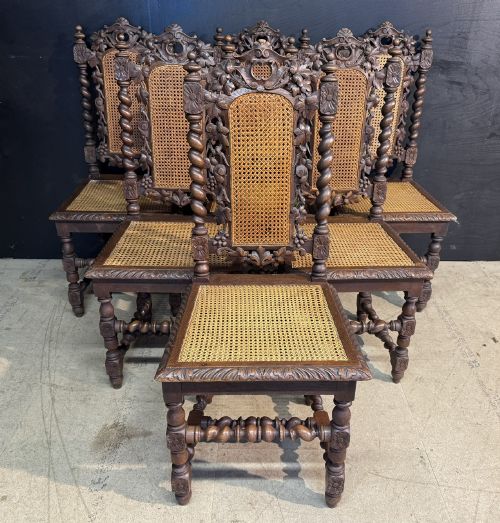
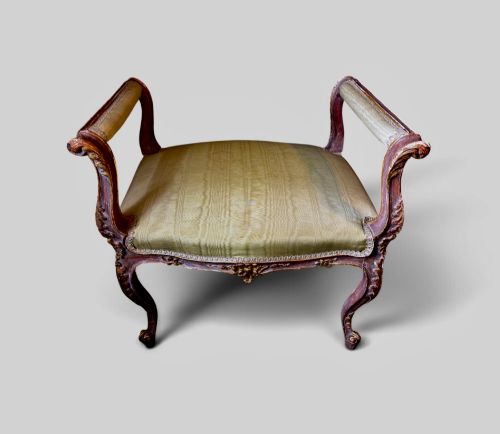
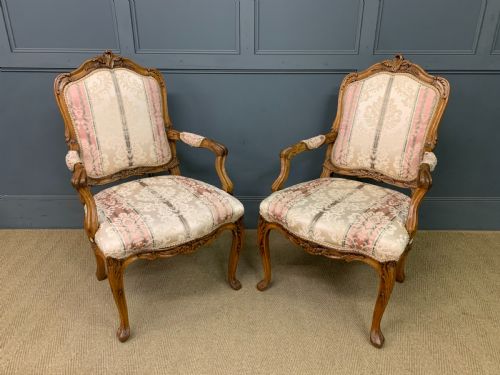
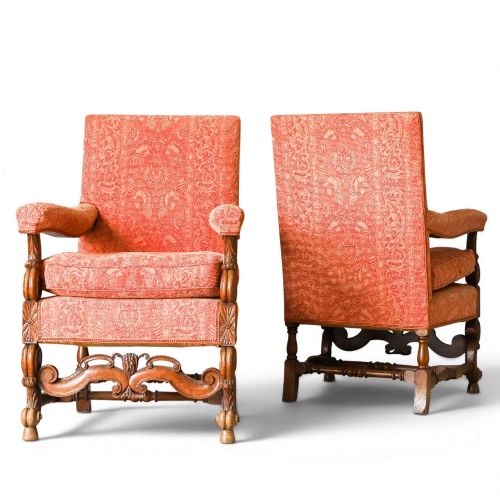
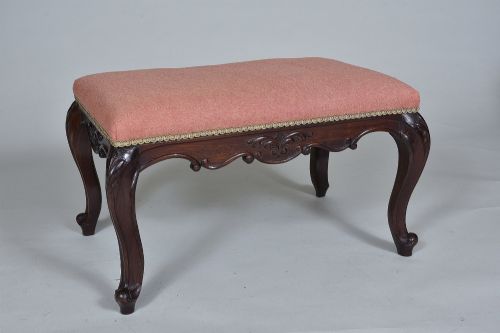
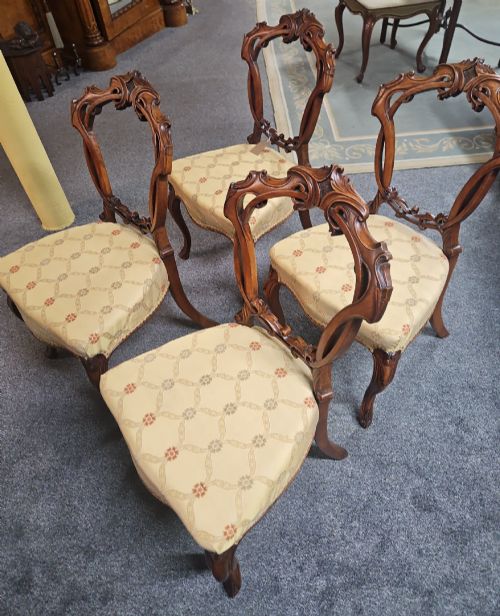
The inventory on this page spans dining chairs, window seats, chaise longues, and robust salon armchairs such as giltwood fauteuils. Pieces date from the mid-nineteenth century through the early twentieth century, reflecting enduring nineteenth-century historicism.
Materials and Construction
Cabinetmakers constructed these frames using dense timbers like walnut, mahogany, and oak, alongside beech destined for ebonisation or paint. Giltwood examples rely on layered gesso and gold leaf applied to carved wooden carcases.
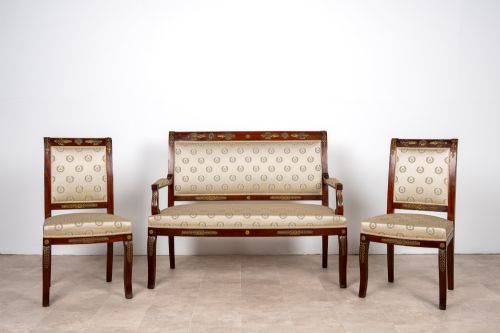
Decorative elements involve intricate hand-carving on cabriole legs, rails, and crestings, occasionally supplemented by cast or applied ormolu mounts in Empire style pieces. Upholstery traditions utilise supportive webbing, springs, and stuffing finished with silk fabric, velvet, or contemporary upholstery fabric.
French Revival Seating Retail Price Guide 2026
Typical asking prices for french revival seating among the pieces listed under this phrase on Sellingantiques today, from the lower quarter to the upper quarter. They describe what is for sale here now, not the wider market.
Listings feature walnut, mahogany, and giltwood frames spanning the Victorian era through the early twentieth century.
Distinctions in Quality
Quality rests upon the crispness of the hand-carving and the structural integrity of the timber joinery within the frame. Deeply undercut relief work on walnut or giltwood indicates superior artisan engagement compared to shallow, mechanical shaping.
The sophistication of the original design execution separates standard commercial production from finer salon pieces. Cohesive proportioning, balanced cabriole leg geometry, and high-grade gilding or ormolu mounts elevate the status of an armchair or settee.
The French Revival Seating Glossary
- Fauteuil
- An open-framed armchair with upholstered back and seat, typically featuring exposed wooden arms.
- Cabriole leg
- A furniture leg that curves outward at the knee and tapers inward toward the foot, commonly ending in scroll or pad feet.
- Giltwood
- Wood that has been coated with gold leaf or gold powder over a prepared gesso ground.
- Ormolu
- Gilded bronze or brass mounts applied as decorative ornaments to furniture frames.
- Louis XVI Revival
- A style characterised by straight tapered legs, neoclassical symmetry, and rectilinear framing inspired by late eighteenth-century French design.
French Revival Seating: Frequently Asked Questions
What defines french revival seating?
These pieces replicate historical French furniture styles, specifically borrowing decorative motifs and structural silhouettes from the reigns of Louis XV and Louis XVI, as well as the Empire period. Makers during the nineteenth and early twentieth centuries reinterpreted these continental designs for contemporary parlours and drawing rooms.
The resulting seating combines robust timber frames with ornate carvings, gilding, and traditional upholstery. They function as both decorative statements and practical seating options within period interiors.
How do I identify Louis XVI revival chairs?
Louis XVI revival pieces are distinguished by straight, fluted legs, geometric symmetry, and rectangular or oval backrests. They reject the flowing, asymmetrical curves typical of earlier Rococo interpretations in favour of restrained neoclassical restraint.
Craftsmen often utilised painted or ebonised beech alongside carved walnut for these frames. They frequently feature classical ornamentation such as acanthus leaves, bead reels, and ribbon twists.
Where were salon suites used?
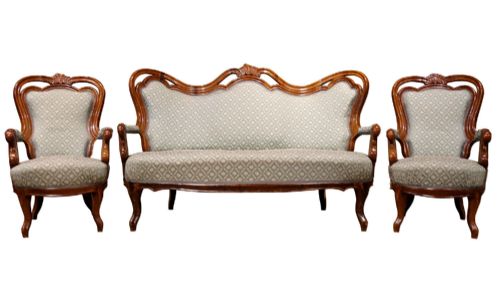
Salon suites served as the formal seating arrangement in Victorian and Edwardian drawing rooms dedicated to receiving guests. A matching set typically comprised a settee alongside several armchairs and side chairs designed to unify the room's aesthetic.
These coordinated groupings allowed homeowners to present a curated, opulent environment for social gatherings. Today, they provide a cohesive period seating scheme for large living spaces.
How do I care for giltwood frames?
Giltwood requires gentle maintenance to preserve the delicate gold leaf and gesso layers applied by the original makers. Dusting should be performed strictly with a dry, soft brush, avoiding any moisture or chemical cleaning agents that might lift the leaf.
Keeping pieces away from direct sunlight and excessive humidity prevents the underlying wood from expanding and cracking the gilt surface. Careful placement ensures the finish survives intact.