




French Reading Table
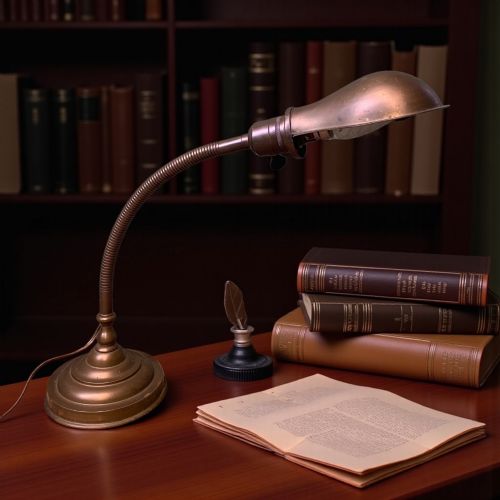
When you search for a french reading table, you are looking at functional continental lighting designed for focused tasks.
French Reading Table
A french reading table search typically leads you to various forms of decorative and task lighting originating from France. The inventory spans several decades, with examples stretching from the nineteenth century into the mid-twentieth century.
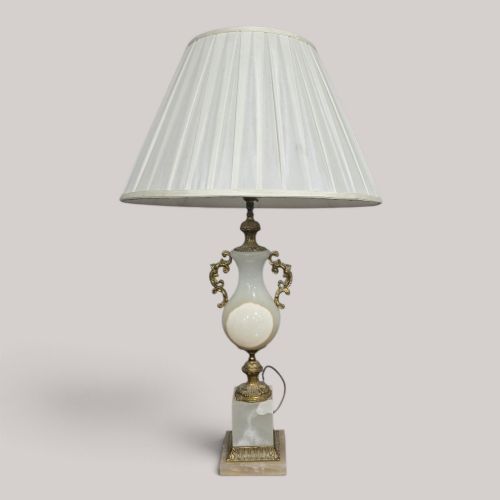
Most entries tend to manifest as table lamps, desk lamps, and bouillotte lights rather than literal tables. These pieces often incorporate classic continental design motifs such as French Empire and Art Deco styles.
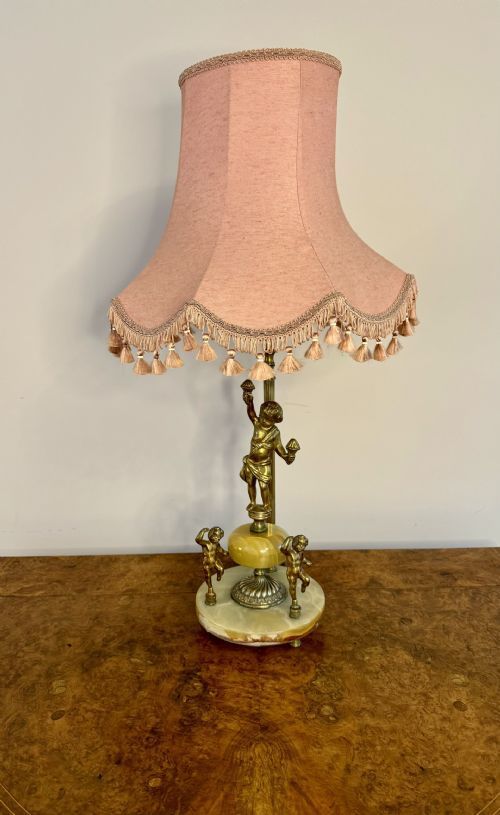
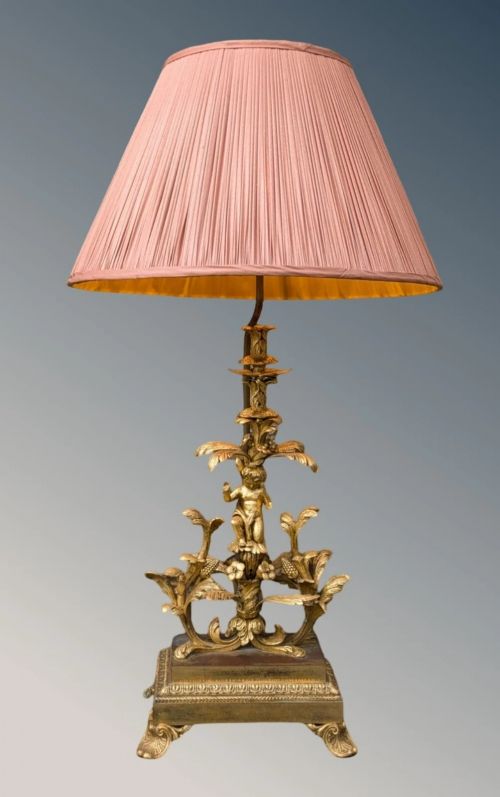
Makers and designers from different eras contributed to this category, utilising materials typical of high-end French workshops. Buyers encounter everything from simple brass illumination to elaborate figural bronzes.
Materials and construction methods
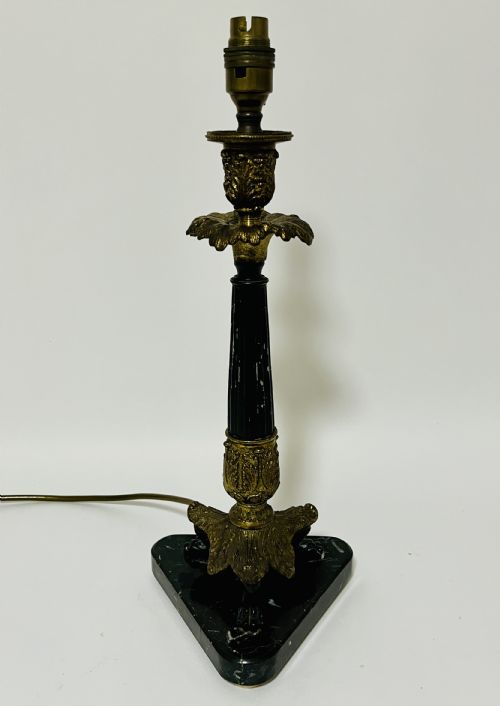
Metalworking dominates the construction of these items, with brass, bronze, and gilt bronze forming the primary structural elements. Foundry workers cast these metals into intricate shapes, often finishing them with ormolu or patination.
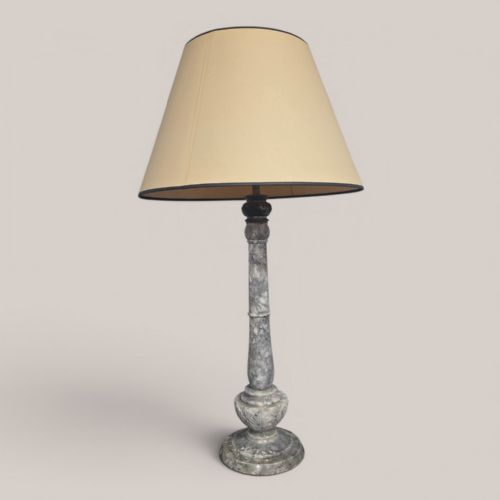
Additional components frequently include marble bases, toleware shades, and occasional elements of glass, fabric, or bakelite. These diverse materials combine to create balanced desk and table lamps suited for daily use.
French Reading Table Retail Price Guide 2026
Typical asking prices for french reading table among the pieces listed under this phrase on Sellingantiques today, from the lower quarter to the upper quarter. They describe what is for sale here now, not the wider market.
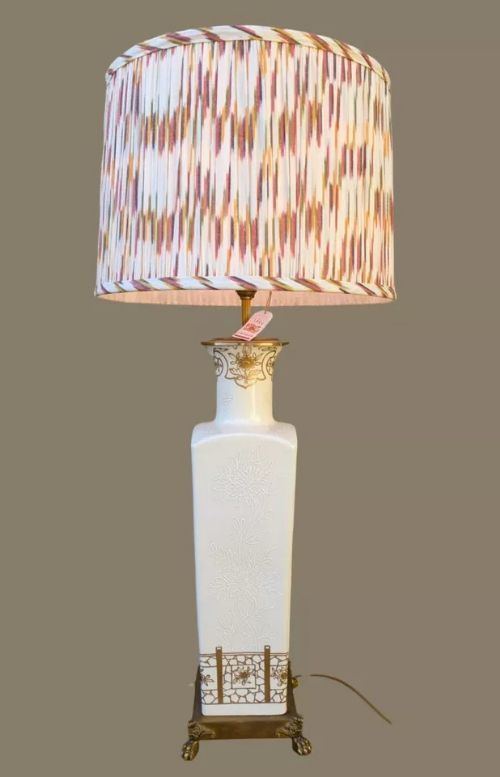
Several items include small brass dogs guarding the lamp base, ready to illuminate your desk.
Distinctions in quality
Quality separates through the crispness of the casting and the depth of the metal finish. Finer examples display sharp detail in figural bronzes and careful application of gilding.
Weight and structural integrity also divide standard production from superior items. Solid brass and heavy marble bases indicate higher manufacturing standards than lighter metal alloys.
Eileen Grey·Pirouette
The French Reading Table Glossary
- Bouillotte lamp
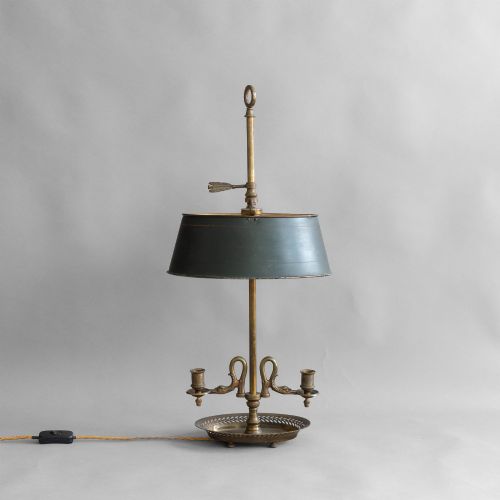
- A traditional French desk lamp featuring multiple candle arms and an adjustable central shade. This design originated to light the card game of the same name.
- Ormolu
- Gilded bronze used extensively in French decorative arts during the eighteenth and nineteenth centuries. The technique involves applying a gold-mercury amalgam to a bronze base.
- Toleware
- Enamelled or painted sheet metal used predominantly for lamp shades and canisters. It offers a smooth surface that holds coloured paint well.
- Spelter
- A zinc alloy commonly utilised as a less expensive substitute for bronze in decorative figures and lamp bases. It often receives a bronze-coloured finish to mimic more costly metal.
French Reading Table: Frequently Asked Questions
What is a bouillotte lamp?
A bouillotte lamp is a specific type of French desk light featuring several candle branches beneath a metal shade. The shade usually slides up and down on a central upright rod.
Originally designed for card games in the eighteenth century, these lamps became popular library fittings for focused desk work.
How do I identify Art Deco pieces?
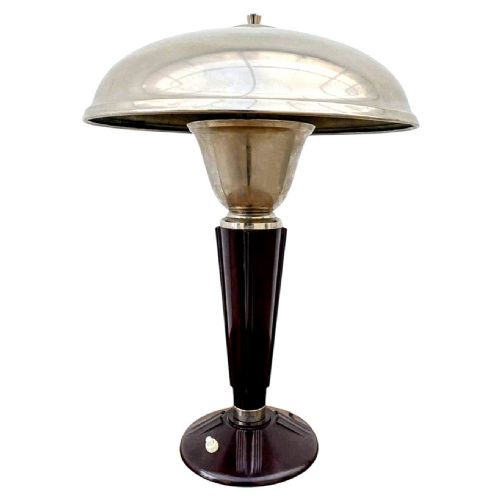
Art Deco pieces from France typically display streamlined geometric forms and modern industrial materials such as chrome and bakelite. These designs emerged strongly around nineteen thirty.
They stand apart from earlier nineteenth-century styles through their rejection of ornate floral motifs in favour of clean, functional lines.
Where should I place these lamps?
These lamps suit desks, side tables, and reading corners where focused illumination is useful. Their decorative bases also allow them to function as sculptural elements on mantelpieces.
Pairing them with period furnishings helps integrate their specific continental aesthetic into a modern interior room layout.
What materials are most common?
Brass and bronze appear most frequently across the listed items, often accompanied by marble bases and painted toleware shades. Later twentieth-century examples introduce bakelite and chrome.
These durable materials ensure the lamps remain sturdy and functional for daily household use.