





French Provincial Low Bench
These pieces known as a french provincial low bench bring rustic utility and enduring character to a room.
French Provincial Low Bench
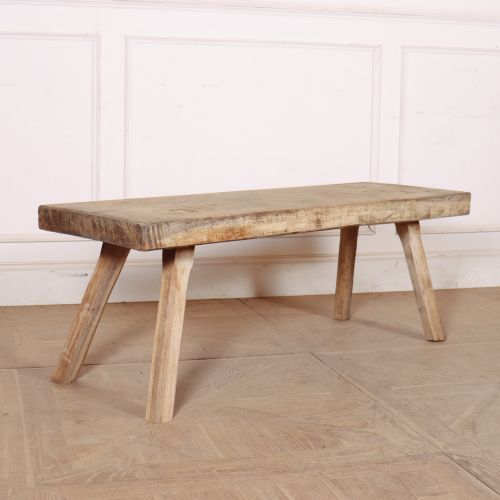
A french provincial low bench brings traditional rural design into domestic spaces through practical low-profile seating and table surfaces. When searching this phrase, buyers encounter items adapted from historic forms into low tables, window seats, and stools.
Most examples originate from the nineteenth century, including specific dates such as eighteen-ninety and eighteen-sixty, alongside twentieth-century painted pieces. These forms bridge the gap between antique seating and functional everyday furniture.
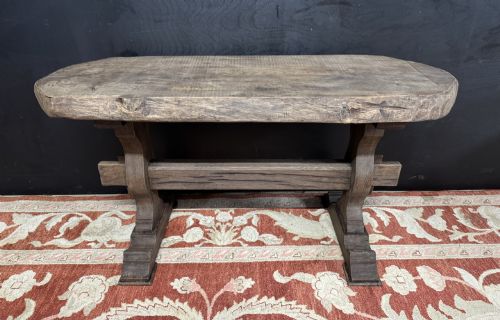
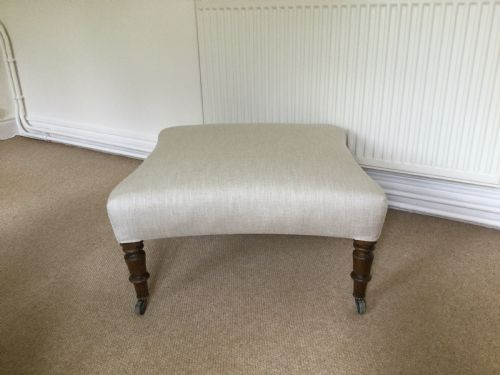
The objects span diverse functional categories such as coffee tables, ottomans, footstools, and trestle tables while retaining their rustic country origins. Buyers will find that many listings combine seating structures with low surface utility.
Materials and construction methods
Construction relies heavily on regional hardwoods such as oak, sycamore, elm, fruitwood, and pine. Artisans shaped these timbers to create sturdy frames capable of withstanding decades of daily domestic use.
Surfaces frequently show applied paint finishes, scrubbed textures, or bleached treatments that alter the natural tone of the wood. Upholstered variants incorporate traditional textiles like calico and velvet, sometimes paired with woven cane elements.
French Provincial Low Bench Retail Price Guide 2026
Typical asking prices for french provincial low bench among the pieces listed under this phrase on Sellingantiques today, from the lower quarter to the upper quarter. They describe what is for sale here now, not the wider market.
Cobblers benches bring the distinct aroma of old shoe leather to mind long after the tacks and hammers are gone.
Judging quality in rustic seating
Quality rests upon the integrity of the timber frame and the authenticity of the surface finish. Pieces retaining original scrubbed textures or honest painted layers demonstrate greater historical consistency than later alterations.
The harmony of proportions defines the better examples within this category. Well-executed joinery and balanced framing elevate simpler forms into enduring examples of country craftsmanship.
The French Provincial Low Bench Glossary
- Scrubbed finish
- A wood surface cleaned repeatedly with water and scrubbing brushes to expose the pale grain. This technique is common on eighteenth and nineteenth-century domestic tables.
- Sycamore
- A dense hardwood utilised for European furniture and kitchenware. It provides a pale, fine-grained surface suited to scrubbed tables and benches.
- Cobblers bench
- A traditional low seating form originally designed for shoemakers with integrated compartments for tools. These repurposed items now serve as low coffee tables.
- Trestle table
- A table construction consisting of two or more support frames connected by a horizontal beam. This design offers maximum legroom beneath the surface.
French Provincial Low Bench: Frequently Asked Questions
What is a french provincial low bench used for?
These pieces serve multiple purposes in modern interiors, functioning as low coffee tables, window seats, or occasional footstools. Their modest height makes them practical additions to living spaces.
Historically, many of these items began as utilitarian seating or work benches before being adapted for modern domestic placement. Today, they provide both surface space and low-profile seating.
How do I identify a nineteenth-century piece?
Nineteenth-century items typically display hand-tooled joinery, timber shrinkage, and surface wear consistent with extended domestic use. Examining the underside and joints reveals traditional construction methods.
Makers from this era relied on regional hardwoods and simple hand tools, leaving subtle irregularities that distinguish older examples from modern reproductions.
What woods were used for these benches?
Common timbers include oak, sycamore, elm, pine, and various fruitwoods sourced locally by regional cabinetmakers. Each wood species ages differently, developing distinct patinas over time.
Some pieces feature painted finishes or bleached surfaces applied during their working life to update their appearance within rural homes.
How do I clean a scrubbed wood surface?
Scrubbed timber requires minimal intervention to preserve its dry, pale texture and historical patina. Gentle dusting with a dry cloth is usually sufficient for routine maintenance.
Avoid applying heavy oils or modern varnishes, as these treatments can darken the pale grain and obscure the natural character of the wood.