




French Provincial Ceiling Fixture
These french provincial ceiling fixtures are lighting pieces that bring regional character and historical craftsmanship into a home.
French Provincial Ceiling Fixture
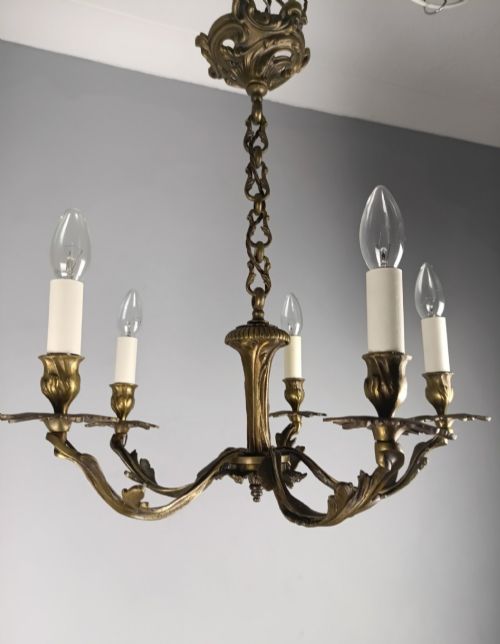
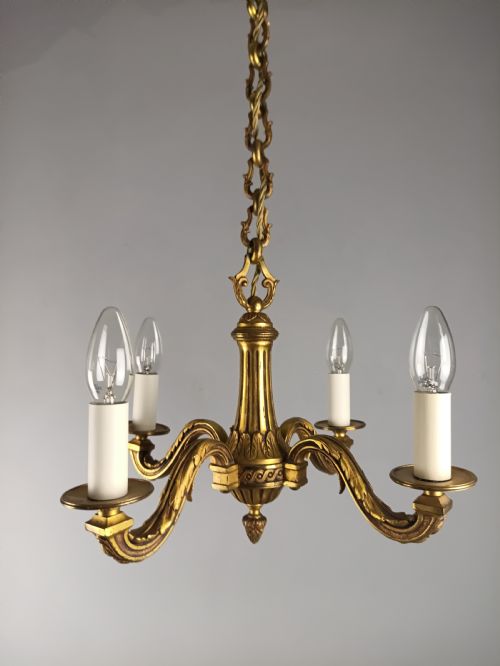
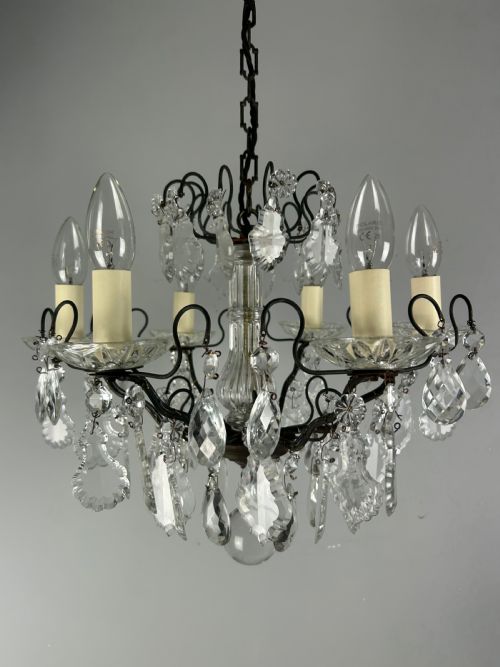
When searching for a french provincial ceiling fixture, buyers encounter overhead illumination shaped by continental traditions ranging from the late nineteenth century into the interwar decades. The selection spans robust wrought iron frames and delicate cage designs suspended from domestic ceilings.
Chandeliers and ceiling lanterns form the core of what is available, varying from simple multi-light metal constructions to elaborate multi-tiered arrangements. Pieces often incorporate historical styles such as French Rococo or Louis XVI influences adapted for domestic spaces.
Most examples date from the early decades of the twentieth century, particularly the nineteen-twenties and nineteen-thirties, alongside late nineteenth-century items. These overhead lights served functional and decorative roles in period interiors.
How they were made
Construction relies heavily on metalworking, utilising brass, bronze, wrought iron, and gilt metal to form the structural skeletons and branches of the fixtures. Blacksmiths and metalworkers shaped these materials into intricate frames, birdcage structures, and lanterns.
Glass elements including cut glass drops, crystals, and coloured panels were integrated to refract and diffuse the illumination from multiple light sources. Giltwood, silver gilding, and polychrome finishes were then applied to enrich the surface texture of the metal and wood components.
Materials documented across the inventory include wrought iron, cut glass, bronze, and giltwood.
What varies in quality
The distinction between standard and superior pieces lies in the substance of the materials and the complexity of the assembly. Heavy brass frames and substantial bronze castings demonstrate a higher grade of manufacture than lighter, stamped alternatives.
The intricacy of the decorative components, such as hand-cut crystal drops, nuanced polychrome painted surfaces, and detailed wrought iron manipulation, determines the standing of an individual fixture within the wider field.
The French Provincial Ceiling Fixture Glossary
- Chandelier
- A branched ceiling-mounted lighting fixture designed to hold multiple lamps or candles. These units distribute light across a room from a central hanging point.
- Ceiling Lantern
- An enclosed overhead lighting fixture suspended close to the ceiling or via a short chain. They typically feature glass panels held within a metal framework.
- Gilt Metal
- Metal treated with a thin layer of gold paint or leaf to simulate solid gold. This technique provides a luminous finish without the weight of precious metal.
- Toleware
- Painted or lacquered tinplate objects often decorated with floral or pastoral scenes. They introduce colour and decorative charm to lighting designs.
- Cage Chandelier
- A lighting form enclosed within a skeletal metal framework resembling a birdcage. Crystals and glass drops are frequently hung throughout the interior structure.
French Provincial Ceiling Fixture: Frequently Asked Questions
How do I choose the right size fixture?
Consider the scale of the room and the height of the ceiling before selecting an overhead light. Larger spaces accommodate multi-tiered or twenty-four light structures, whereas standard rooms suit six-light arrangements.
Ensure there is adequate clearance beneath the hanging point for foot traffic and door swings. Proportion remains the primary guide when placing these fixtures in domestic settings.
What materials are typical for these fixtures?
Common materials include brass, bronze, wrought iron, and various forms of gilt metal. Glass components such as cut crystals and coloured droplets frequently accompany the metal frameworks.
Surfaces often feature polychrome painted details, silver gilding, or dark patination. Each material contributes to the weight and visual presence of the hanging piece.
How do I date a french provincial fixture?
Dating relies on stylistic markers and manufacturing techniques observed in the metalwork and glass components. Pieces from the late nineteenth century often display heavier casting and distinct period aesthetics.
Items from the nineteen-twenties and thirties incorporate diverse stylistic revivals alongside simpler geometric or structural forms. Examining the wiring channels and construction joints helps confirm the era of production.
Where should I hang a ceiling lantern?
Ceiling lanterns work well in entrance halls, corridors, and stairwells where directional and enclosed illumination is beneficial. Their compact profile suits spaces with moderate ceiling heights.
They also provide functional and decorative lighting in kitchens or smaller reception rooms. The enclosed design protects the internal components from drafts and dust in high-traffic areas.