



French Pendant Charm
A french pendant charm carries small-scale sculpture and personal devotion in gold, crossing decades from the Georgian era through the twentieth century.
French Pendant Charm
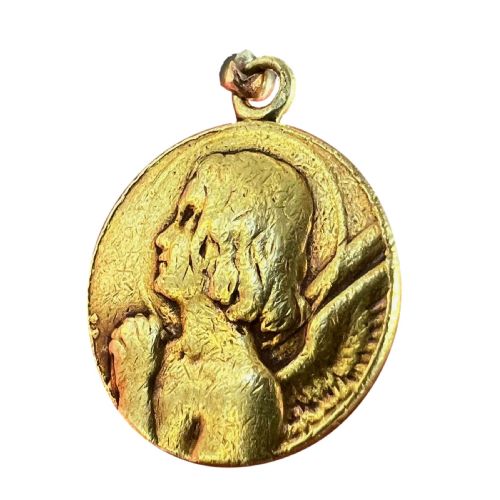
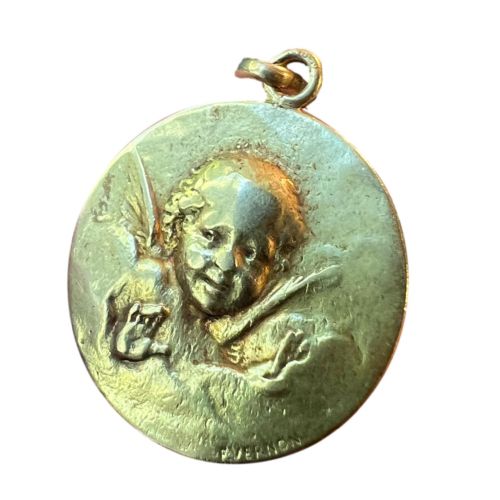
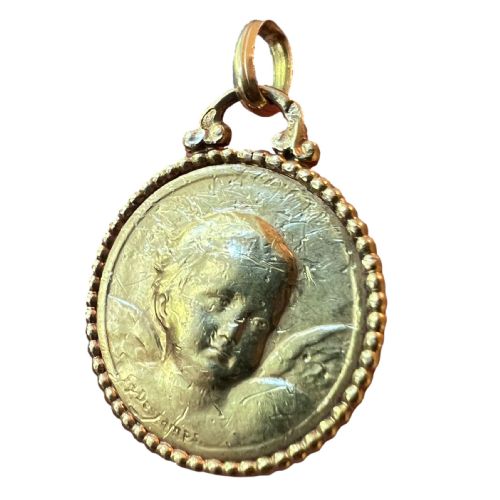
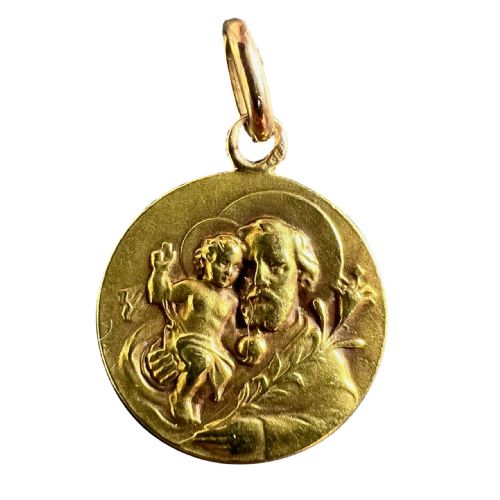
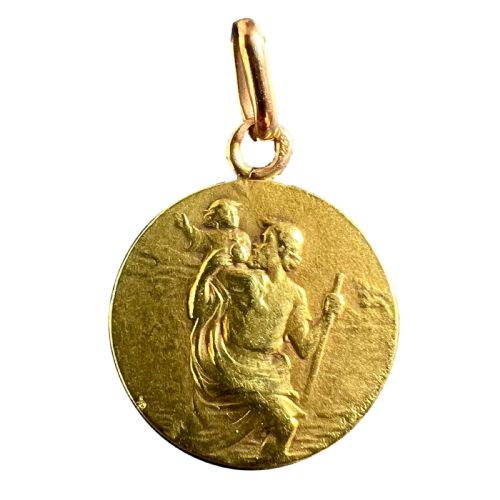
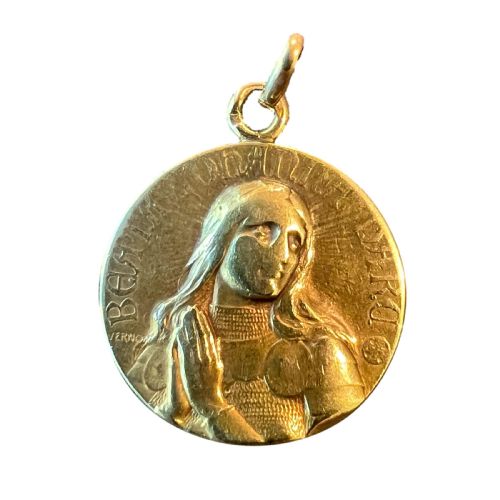
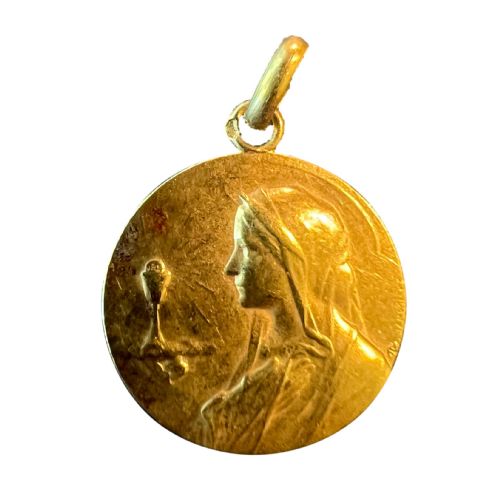
When buyers search for a french pendant charm, they encounter small devotional medals, religious pendants, and decorative charms originating from France across the Georgian, Victorian, and mid-century periods. These pieces serve as wearable tokens, often featuring depictions of the Virgin Mary, saints, or symbolic motifs designed to hang from chains or bracelets.
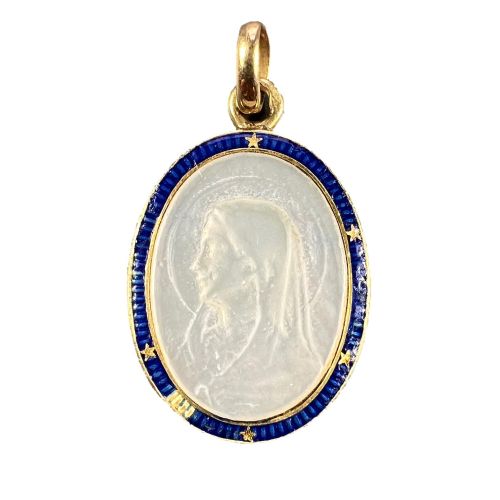
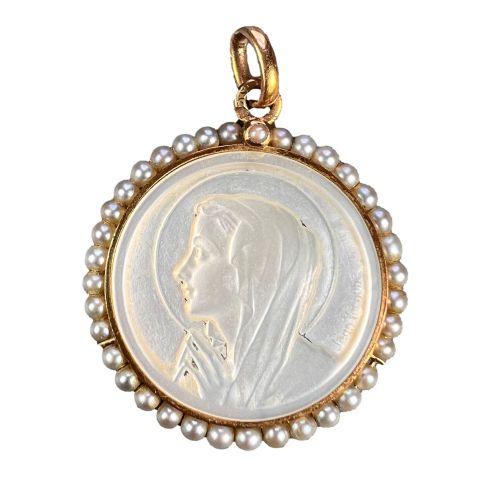
The version most commonly met on this page is the 18K yellow gold medal pendant dating from the early decades of the twentieth century. These objects frequently incorporate enamelling, mother of pearl, or carved reliefs produced by notable medallists.
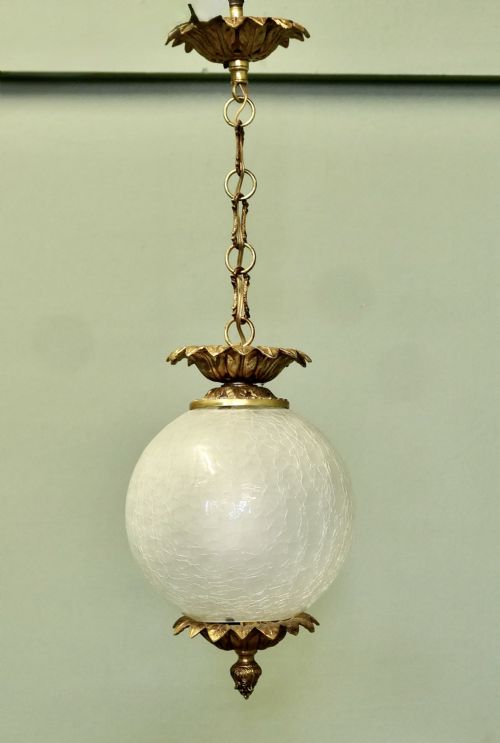
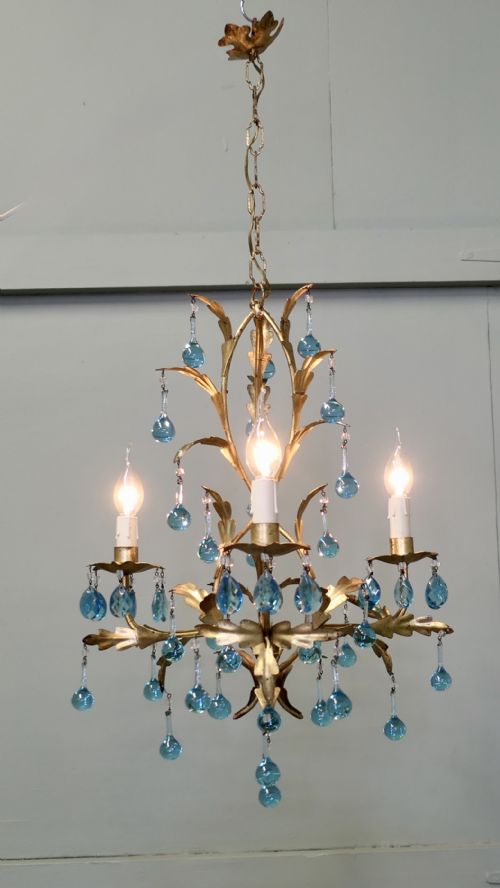
Beyond religious subjects, the selection includes zodiac charms, floral wreaths, monograms, and glass or tolewear lighting fixtures that share the pendant form. Each item reflects specific stylistic movements including Art Nouveau, Art Deco, and Belle Epoque designs.
Materials and construction
The primary metal utilised across these pieces is 18K yellow gold, alongside variations in rose gold and white gold. Goldsmiths shaped this metal into frames, twisted wire borders, and solid medal backs to support central sculptural reliefs.
Artisans combined gold with delicate materials such as mother of pearl, coral, seed pearls, and coloured glass. Enamelling techniques, including translucent plique-a-jour, added colour and luminosity to religious scenes and floral motifs.
French Pendant Charm Retail Price Guide 2026
Typical asking prices for french pendant charm among the pieces listed under this phrase on Sellingantiques today, from the lower quarter to the upper quarter. They describe what is for sale here now, not the wider market.
Listings span periods from the Georgian era through 1950, featuring 18K yellow gold, rose gold, mother of pearl, and enamel.
Distinctions in craftsmanship
The application and preservation of enamel also determine value, particularly where translucent plique-a-jour requires precise control without metal backing. Secondary materials like mother of pearl show superior quality when selected for iridescence and fitted securely into twisted wire frames.
Rasumny·Vernon·Jampolsky·Emile Monier·Paul Brandt·Perroud·Mazzoni·Pageli Perriat·Dropsy·Guilbert·Sellier
The French Pendant Charm Glossary
- Plique-a-jour
- An enamelling technique where enamel is applied to open cells without a backing, allowing light to shine through the transparent or translucent colour much like stained glass.
- Medal pendant
- A flat or slightly convex metal disc bearing a stamped or engraved design, pierced with a loop to be worn suspended from a chain.
- Tolewear
- Painted or lacquered sheet metal items produced in decorative forms such as chandeliers and hanging fixtures.
- Mother of pearl
- The iridescent internal layer of mollusc shells, carved and polished for use as a luminous background or focal plaque in jewellery.
French Pendant Charm: Frequently Asked Questions
What is a french pendant charm?
A french pendant charm is a small decorative or devotional piece of jewellery originating in France, typically fashioned from 18K gold.
These items range from religious medals depicting the Virgin Mary to zodiac symbols and floral motifs designed for daily wear.
How were religious medals worn?
Religious medals were traditionally suspended from chains worn close to the heart or attached to charm bracelets.
They served as personal items of faith, often commemorating sacraments like communion or invoking the protection of specific saints.
What gold purity is common?
The majority of pieces utilise 18K yellow gold, alongside occasional examples in rose gold or white gold.
This high gold content provides a rich colour and malleable base for detailed engraving and sculptural relief work.
How do I identify the period?
Periods are identified through stylistic cues such as Art Nouveau curves, Art Deco geometry, or Georgian coral and seed pearl work.
Signature styles and specific medallists recorded on the items also point directly to early twentieth-century manufacturing dates.