






French Paris Clock
A French paris clock brings ornate metalwork and precise mechanical timekeeping into a room, combining continental design with dependable nineteenth-century engineering.
French Paris Clock
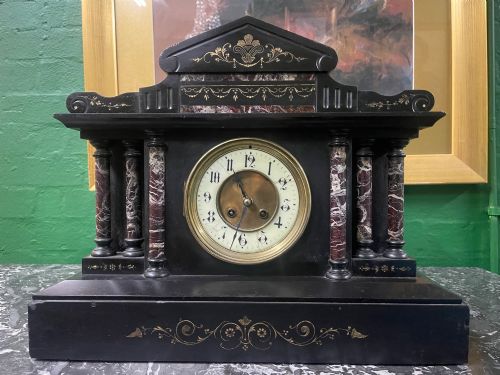
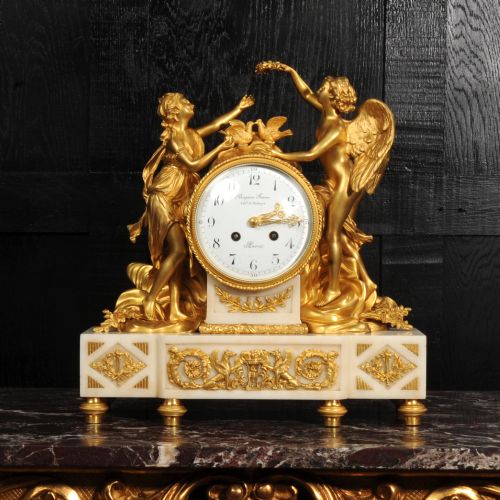
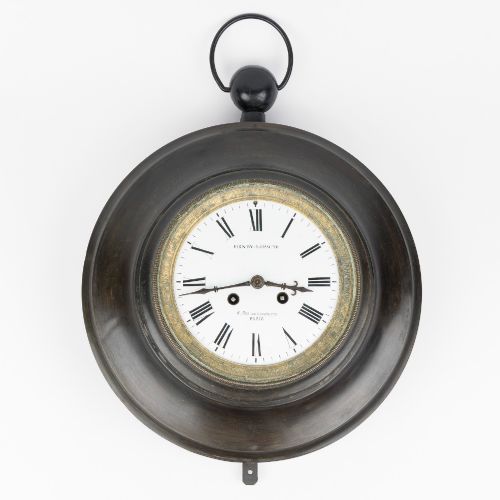
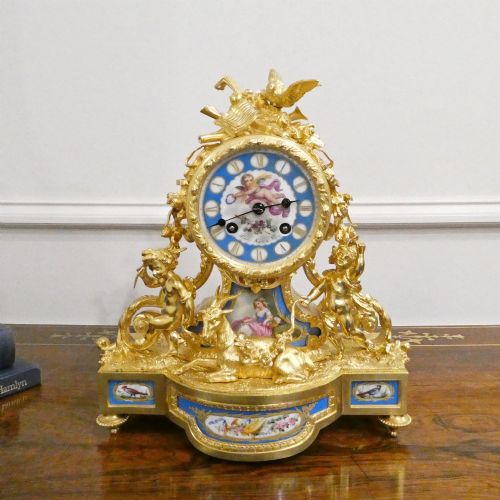
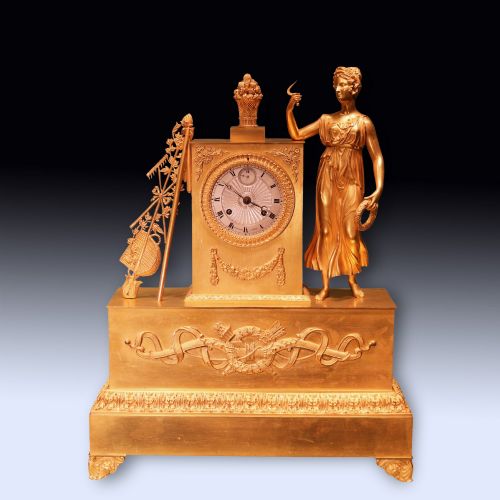
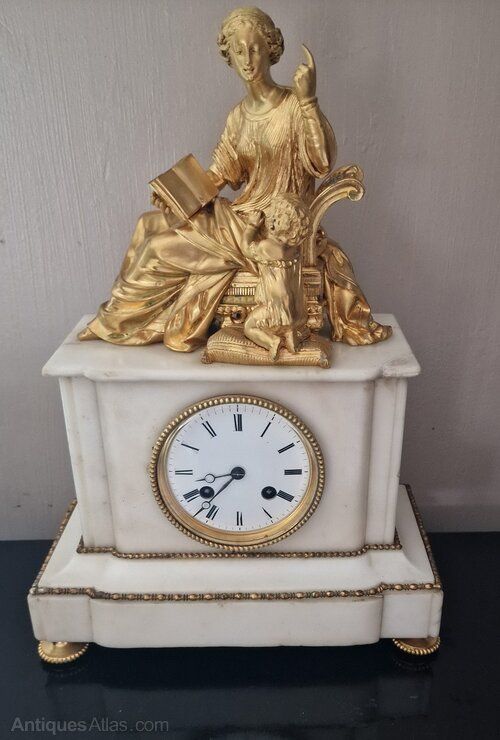
A french paris clock encompasses a diverse range of timepieces originating from the French capital, spanning mantel clocks, carriage clocks, wall models, and clock garnitures. These items reflect distinct historical periods from the eighteenth through to the early twentieth century, capturing major design movements of their respective eras.
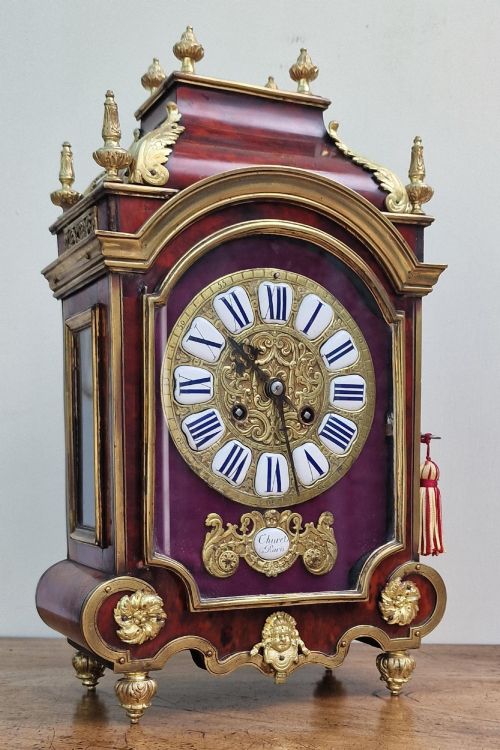
Mantel clocks and carriage clocks dominate the selection, often housed in heavy brass, ormolu, bronze, marble, or tortoiseshell cases. Buyers encounter both elaborate decorative showpieces designed for prominent display and portable travel pieces intended for utilitarian function.
Stylistic influences range widely across the items, encompassing French Empire, Louis XVI style, Rococo Revival, and nineteenth-century classical revivals. Each piece demonstrates the specific decorative vocabulary favoured by Parisian makers during its period of manufacture.
How they were made
Cases utilise a combination of cast bronze, ormolu, brass, marble, porcelain, and wood inlay, frequently pairing gilded metal elements with contrasting polished stone or tortoiseshell panels. Dial faces incorporate enamel numerals and delicate hands set behind protective glass bezels or four glass panels.
Movements rely on complex mechanical engineering, including eight-day trains, striking mechanisms, alarm functions, and specialised escapements such as platform escapements and pinwheel mechanisms. Skilled artisans assembled these gear trains by hand to ensure precise daily timekeeping.
French Paris Clock Retail Price Guide 2026
Typical asking prices for french paris clock among the pieces listed under this phrase on Sellingantiques today, from the lower quarter to the upper quarter. They describe what is for sale here now, not the wider market.
Materials utilised across these listings include enamel, glass, brass, ormolu, gilt bronze, bronze, porcelain, and gilt brass.
What varies in quality
The refinement of the casting and chiselling on bronze and ormolu mounts dictates the visual success of the piece, separating mass-produced items from deeply hand-finished works. Crisp detail in floral motifs, figural casts, and marquetry inlay indicates superior workshop execution.
The complexity and execution of the internal movement also determine grade, with complications like grande-sonnerie striking, calendar displays, or specialised platform escapements representing higher standards of horological achievement. Original matching cases and well-preserved enamel dials further elevate the overall standard.
Henry Lepaute·Thuret·Henry Marc·Canaillor·Drocourt·C Detouche·Le Roy·Henri Jacot·Antoine Redier·Philippes·Berger·Leroy·Louis Goret·Gontard And Bolviller·Thomas·Le Roy Et Fils·Van Cleef And Arpels·Mappin And Webb·Charpentier·Hessen·Finnigan·H Luppens·Paul Garnier·Lamy And Lacroix·Vincenti
The French Paris Clock Glossary
- Ormolu
- Gilded bronze produced by applying a mercury-gilding technique to cast bronze. This finish imparts a warm, enduring golden lustre to decorative mounts.
- Carriage clock
- A portable spring-driven timepiece fitted with a carrying handle and glass panels. Originally designed for travel by horse-drawn carriage or train.
- Garniture set
- A matching centre clock accompanied by side ornaments such as urns or candelabra. Designed to create a symmetrical decorative arrangement on a mantelpiece.
- Platform escapement
- A self-contained escapement and balance assembly mounted on a small platform inside a carriage clock. It allows portable clocks to keep accurate time while moving.
- Grande-sonnerie
- A complex striking mechanism that chimes both the hours and the quarters automatically as time passes. It represents advanced horological skill in clockmaking.
French Paris Clock: Frequently Asked Questions
What is a french paris clock?
A french paris clock is a mechanical timepiece manufactured in Paris during the eighteenth, nineteenth, or early twentieth centuries. These pieces encompass various forms including mantel clocks, carriage clocks, wall models, and garniture sets.
They reflect shifting design aesthetics such as Empire, Rococo Revival, and Louis XVI styles. Each item combines decorative housing materials with intricate brass gear movements.
How were carriage clocks used?
Carriage clocks were originally built for wealthy travellers who required portable timekeeping during journeys. Their sturdy brass gorge cases and protective travel boxes sheltered the delicate internal mechanics.
Over time, these functional travel pieces evolved into decorative domestic objects displayed prominently on desks and tables within the home.
How do I live with a mechanical clock?
Living with a mechanical clock involves establishing a regular routine for winding the mainspring using an appropriate key. Placing the clock on a stable, level surface ensures the pendulum or platform escapement maintains an even beat.
Allowing the movement to run undisturbed in a stable environment keeps the gear train functioning reliably day after day.
How do I tell nineteenth-century styles apart?
Nineteenth-century styles are distinguished by their specific decorative motifs and choice of materials. Early decades often favour classical bronze and ormolu symmetry, while later periods incorporate mixed materials like marble, porcelain, and intricate wood marquetry.
Examining the casting quality, dial design, and case architecture helps identify whether a piece belongs to the Empire, Victorian, or later revival periods.