



French Oak Centre Table
A French oak centre table brings robust European character and rich timber grain directly to the heart of a room.
French Oak Centre Table
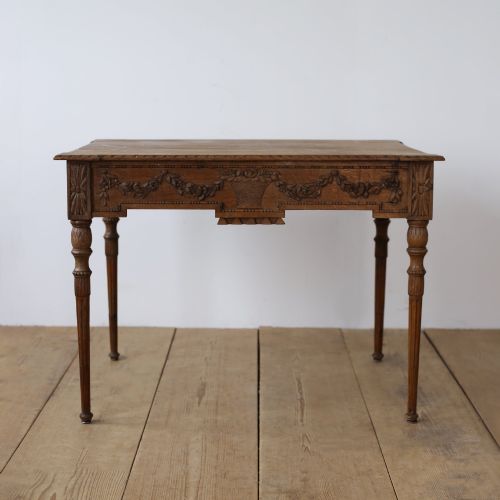
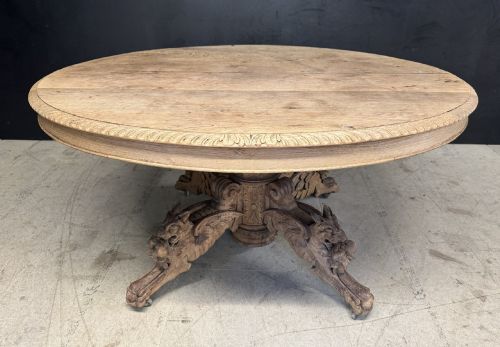
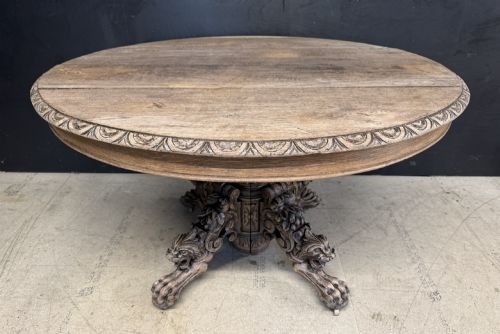
A French oak centre table represents a substantial form of domestic furniture designed to stand freely within a room rather than against a wall. The examples found here span several distinct historical periods, most notably the nineteenth century, alongside earlier eighteenth-century influences. Buyers frequently encounter robust provincial designs, heavily carved hunting styles, and low coffee table variants derived from larger originals.
While the core inventory centres on oak, the selection broadens to include related timber species and stylistic offshoots such as Renaissance Revival and French Provincial. Pieces range from grand carved statement furniture to low coffee tables resting on turned legs. This variety allows collectors to integrate traditional European craftsmanship into both period interiors and contemporary living spaces.
Materials and Construction
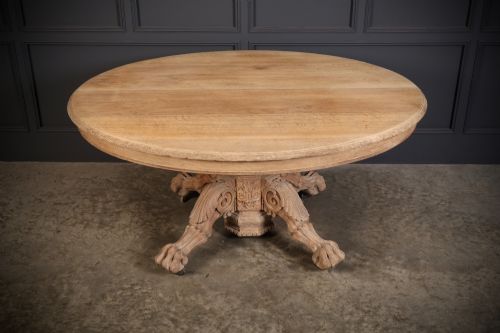
The primary material across these pieces is solid oak, often selected for its dense grain and durability, frequently complemented by secondary timbers like fruitwood, walnut, pine, and sycamore. Several examples feature purposeful bleaching to lighten the natural tone of the wood, aligning with specific decorative tastes. Construction relies on traditional joinery techniques appropriate for heavy domestic use and enduring stability.
Surface ornamentation relies heavily on hand-carved details, particularly evident in the hunting style tables and provincial pieces. Material variety extends beyond timber in select pieces, incorporating glass and marble elements to create contrasting textures. The integration of parquetry further demonstrates the intricate woodworking skills applied to these tables.
French Oak Centre Table Retail Price Guide 2026
Typical asking prices for french oak centre table among the pieces listed under this phrase on Sellingantiques today, from the lower quarter to the upper quarter. They describe what is for sale here now, not the wider market.
The listings span from the eighteenth century to 1900, incorporating materials such as marble, glass, sycamore, and fruitwood alongside traditional oak.
Assessing Quality and Craftsmanship
Quality in these tables is determined by the depth and precision of the hand-carving, particularly on skirtings and legs, where artisan skill becomes immediately apparent. Superior pieces display harmonious proportions between the timber top and the supporting base, whether turned legs or heavy trestle structures. The selection and matching of the oak grain across the surface separate standard utilitarian items from finer decorative examples.
The integrity of the structural joints and the condition of the timber over centuries of use dictate the standing of a piece within the range. Tables that retain their original hardware and uncompromised structural stability command greater appreciation. The sophistication of stylistic details, from provincial simplicity to complex Renaissance Revival motifs, ultimately defines the artisan pedigree of each table.
The French Oak Centre Table Glossary
- Centre table
- A freestanding table finished on all sides, traditionally placed in the middle of a room for display or functional use. These pieces allow access from every angle.
- Bleached oak
- Timber treated with chemical or physical processes to lighten its natural dark brown colour. This treatment highlights the grain while offering a softer visual presence.
- Hunting style
- A decorative aesthetic characterised by deep, rustic carvings depicting foliage, animals, or rural themes. It reflects the heritage of provincial French country houses.
- Parquetry
- A geometric mosaic of wood pieces used for decorative effect on table tops. This technique requires precise cutting and fitting of contrasting timbers.
- Renaissance Revival
- A nineteenth-century architectural and decorative movement drawing inspiration from sixteenth-century forms. It employs bold classical motifs and heavy relief carving.
French Oak Centre Table: Frequently Asked Questions
What is a French oak centre table used for?
These tables serve as prominent central fixtures in principal rooms, functioning as display surfaces for decorative objects or as functional gathering points.
Their freestanding nature means they are finished on all sides, allowing them to anchor a room's layout effectively.
How do I care for antique oak furniture?
Maintenance involves dusting with a soft, dry cloth and avoiding placement near direct heat sources or strong sunlight.
Applying appropriate wax periodically helps nourish the timber and protects the historic surface finish from drying out.
Are all these tables strictly from France?
While the dominant aesthetic and origin point is French, the inventory includes related continental pieces such as Dutch regional furniture.
Stylistic influences often cross borders, particularly within nineteenth-century revival movements and provincial workshops.
What is the difference between a centre table and a coffee table?
Traditional centre tables stand at standard table height, designed for display or general room placement rather than low seating use.
Low tables and coffee tables in this selection are specifically adapted or built lower to sit comfortably beside modern seating arrangements.