





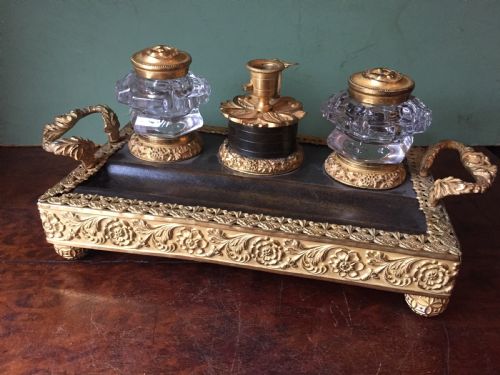
French Neoclassic Desk
These French neoclassic desk pieces combine mahogany, walnut, marble, and ormolu mounts to anchor a room with classical symmetry and restraint.
French Neoclassic Desk
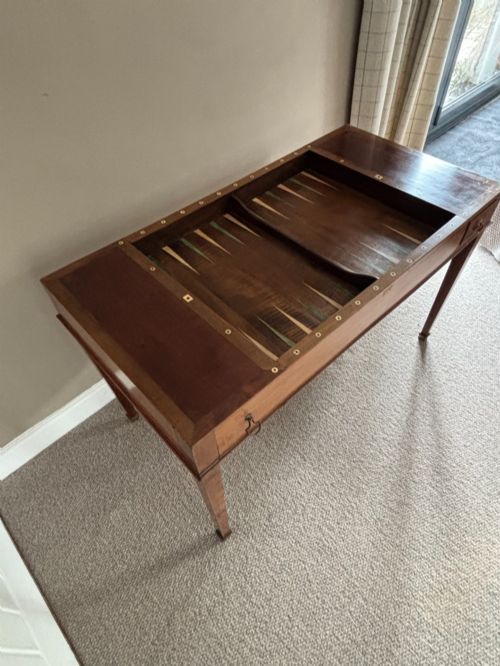
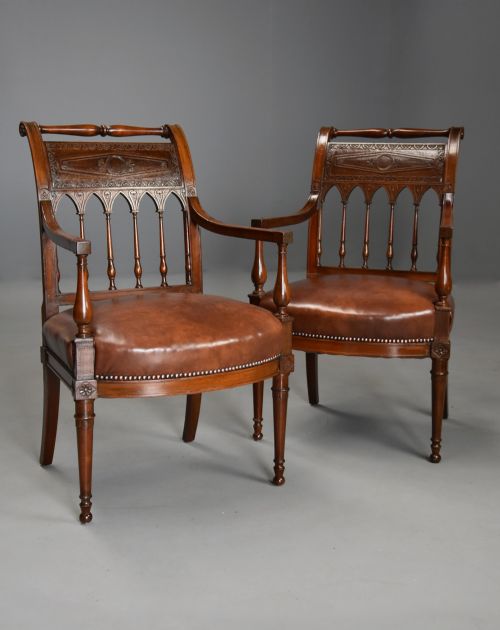
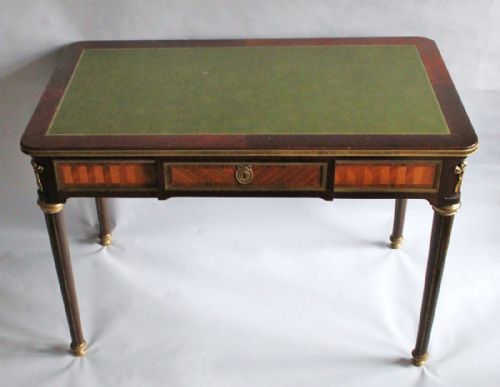
A french neoclassic desk embodies the architectural discipline of the eighteenth and nineteenth centuries, drawing on styles such as Louis XVI, French Directoire, and French Empire. These writings tables and library pieces strip away baroque excess in favour of straight lines, restrained proportions, and classical motifs.
The pieces appearing under this search phrase encompass related forms like library tables and writing surfaces constructed from woods such as mahogany and walnut. They often incorporate brass, bronze, and gilt bronze mounts that articulate the structural corners and aprons.
Buyers seeking this aesthetic encounter works spanning the eighteenth century through the nineteenth century and into nineteen-twenty revivals. Each iteration reflects the enduring European fascination with antiquity, translating monumental architectural forms down to domestic scale.
Construction and materials
Cabinetmakers built these pieces using dense cabinet timbers like mahogany and walnut as the primary structural bodies. These woods provided a stable foundation capable of supporting decorative veneers and metal hardware without warping over decades of use.
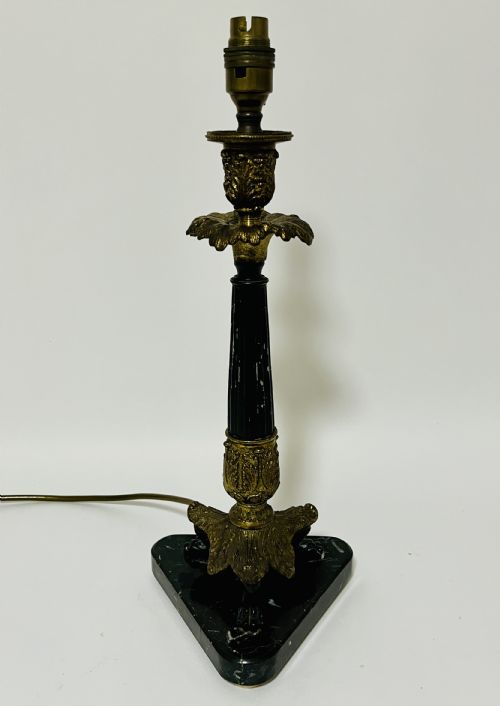
Gilt bronze and ormolu mounts were cast and chased by hand before being applied to highlight structural joints, friezes, and corners. Marble tops frequently finished the upper surfaces, adding weight, cool tactility, and a contrasting classical texture to the timber frames.
French Neoclassic Desk Retail Price Guide 2026
Typical asking prices for french neoclassic desk among the pieces listed under this phrase on Sellingantiques today, from the lower quarter to the upper quarter. They describe what is for sale here now, not the wider market.
Listings span the eighteenth century, nineteenth century, and early twentieth century, utilising mahogany, walnut, marble, and ormolu.
Judging quality in design and execution
The distinction between ordinary and exceptional work lies in the crispness of the bronze chasing and the selection of timber grain. High-tier examples display sharply defined acanthus leaves and classical figures in the ormolu, whereas lesser pieces rely on soft, blurred cast details.
Proportion and structural harmony dictate the upper end of the market, where every leg, mount, and marble slab relates precisely to the whole. Secondary woods and hidden construction details reveal the underlying integrity of the cabinetmaker's hand.
The French Neoclassic Desk Glossary
- Ormolu
- Gilt bronze mounted on furniture or decorative objects. The technique involves applying a fine layer of gold amalgam to cast bronze.
- Directoire style
- The transitional design phase in France bridging Louis XVI and Empire aesthetics. It favours pared-down classical lines and revolutionary symbols.
- Louis XVI
- The eighteenth-century French design period defined by rectilinear forms and straight, tapered legs. It marks a direct rejection of rococo curves.
- French Empire
- The nineteenth-century style influenced by Napoleonic military campaigns and archaeological discoveries in Egypt and Greece. It relies on heavy bronze mounts and dark timbers.
- Gilt bronze
- Metal cast into decorative shapes and treated with gold leaf or mercury gilding. This material provides durable surface brilliance on structural mounts.
French Neoclassic Desk: Frequently Asked Questions
What defines a french neoclassic desk?
These pieces rely on classical architectural proportions, straight tapered legs, and restrained ornamentation rather than curved rococo excess.
Cabinetmakers utilised mahogany and walnut, frequently enhancing the design with cast ormolu mounts and marble surfaces.
How do I date these pieces?
Dating relies on examining the timber construction methods, the sharpness of the bronze chasing, and the specific classical revival style.
Eighteenth-century examples display hand-cut joinery and period-appropriate wear, while later nineteenth-century revivals often incorporate machine assistance.
Where were these pieces used?
They served as functional writing surfaces and reading tables in formal libraries, studies, and drawing rooms of grand houses.
The inclusion of leather inserts and stable wooden frames accommodated the daily correspondence and scholarship of the period.
How do I care for marble and ormolu?
Marble surfaces require gentle cleaning with neutral soap and water to prevent staining, avoiding acidic substances that etch the stone.
Ormolu mounts should be dusted dry with a soft brush, steering clear of metal polishes that strip away the original fire gilding.