




French Mother of Pearl
French mother of pearl brings together iridescent shell, precious metals, and fine craftsmanship in decorative items made for display and daily use.
French Mother of Pearl
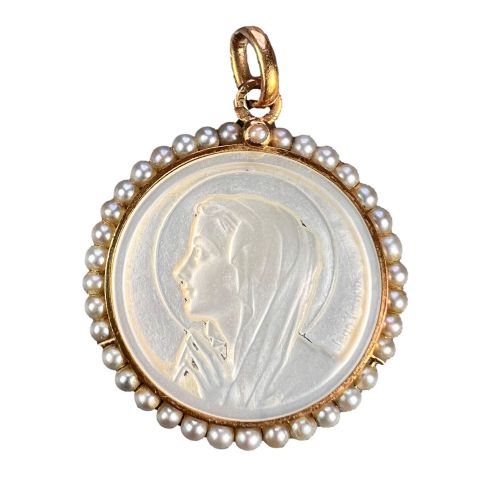
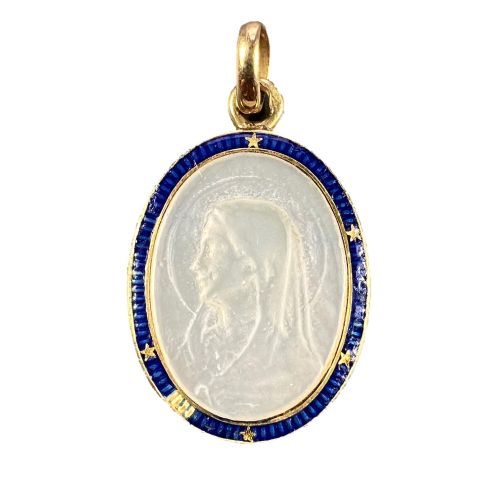
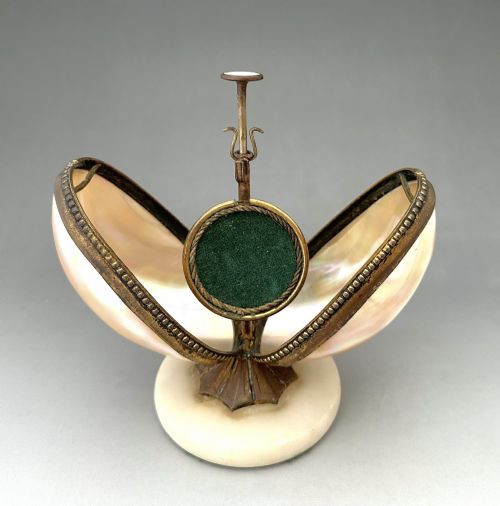
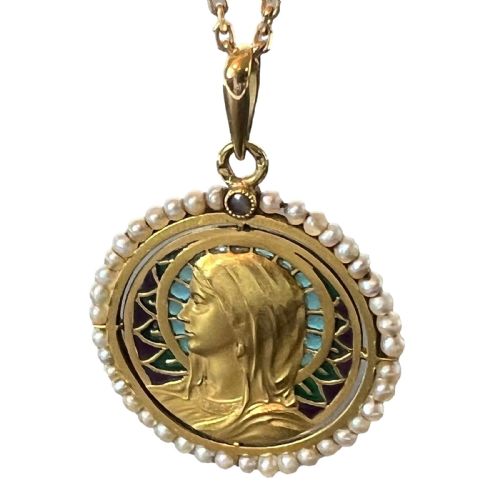
When searching for french mother of pearl, buyers encounter a wide variety of antique items spanning the nineteenth and early twentieth centuries. These range from delicate jewellery and religious pendants to functional optical instruments and desk accessories.
The selections commonly include opera glasses, etuis, sewing accessories, and decorative boxes originating from periods such as the Victorian era, Napoleon III, and the Belle Epoque. Many items combine the iridescent shell with brass, gilt bronze, and eighteen-carat gold.
Smaller personal items such as charms, cufflinks, and posy holders frequently appear alongside larger wall clocks and card tables inlaid with metal wire and shell detail.
How they were made
Maker workshops utilised natural nacre harvested from shells, shaping the iridescent material into thin plates for inlay, carved handles, and decorative panels. This shell was meticulously mounted onto structural bases of ebonised wood, brass, or rosewood using traditional adhesives and pins.
Metal components often underwent gilding, while finer jewellery incorporated 18K yellow or white gold alongside enamel work such as plique-a-jour. Precision engineering was applied to mechanical items like opera glasses and folding lorgnette handles.
Victorian theatregoers relied on these shimmering opera glasses not just to watch the stage, but to discreetly inspect who else had secured a box seat.
What varies in quality
The standard of an item rests on the depth and evenness of the nacre's iridescence, alongside the complexity of the surrounding metalwork. Pieces featuring hand-carved relief work, guilloche enamel, or signed optical lenses demonstrate superior workshop execution.
Integration between the shell panels and the supporting frame dictates the overall durability and finish. Superior examples display seamless inlay work and robust mechanical movement in items like fitted boxes and scientific instruments.
Henri Marc of Paris·Savory and Fils A Paris·Iris Paris·LeMaire Paris·Colmont Paris
The French Mother of Pearl Glossary
- Mother-of-Pearl
- The strong, iridescent inner layer of mollusc shells utilised for decorative inlay and carved objects. It reflects light in shifting tones of pink, green, and silver.
- Etui
- A small decorative case designed to hold needles, scissors, or cosmetics. These portable containers often feature fitted interiors and elaborate exterior shell panels.
- Plique-a-jour
- An enamelling technique where enamel is applied within a wire framework without a backing, allowing light to shine through the translucent coloured glass.
- Ormolu
- Gilt bronze ornamentation applied to furniture, clocks, and decorative boxes. The technique involves coating base metal with a finely ground gold-mercury amalgam.
- Tussie Mussie
- A small ceremonial holder designed for carrying fresh flowers, often fashioned from gilt metal or precious materials with decorative chains.
French Mother of Pearl: Frequently Asked Questions
How were opera glasses used?
Opera glasses served as essential theatre accessories for polite society during the Victorian and Edwardian periods. Spectators used them to bring distant performers into clear focus while seated in private boxes or balconies.
The inclusion of mother of pearl barrels added elegance and a comfortable grip to the optical instruments. Many came equipped with folding lorgnette handles for ease of viewing.
How do I care for shell items?
Maintaining these objects requires keeping them away from direct sunlight, excessive moisture, and harsh chemical cleaning agents. Soft, dry cloths suffice for removing dust from the delicate nacre surfaces.
Storing pieces in stable indoor environments preserves the integrity of the original adhesives and delicate metal mounts. Gentle handling prevents scratching the soft iridescent surface of the shell.
How can I date these pieces?
Dating relies on stylistic markers associated with specific periods such as Napoleon III, Belle Epoque, or Edwardian design. Hallmarks on gold or silver mounts and maker signatures on optical items provide precise chronological clues.
The choice of underlying materials, such as ebonised wood or brass wire inlay, also points toward nineteenth-century manufacturing techniques.