



French Metal Side Tables
French metal side tables bring enduring character and industrial elegance to interiors, combining durable metal frames with classic stone or glass surfaces.
French Metal Side Tables
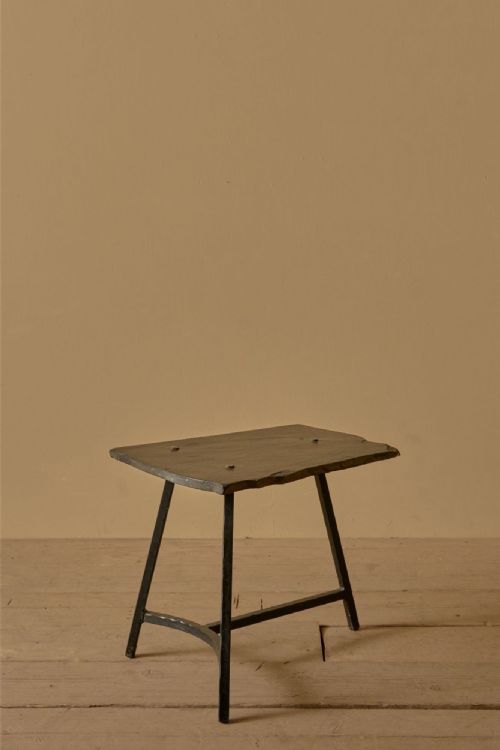
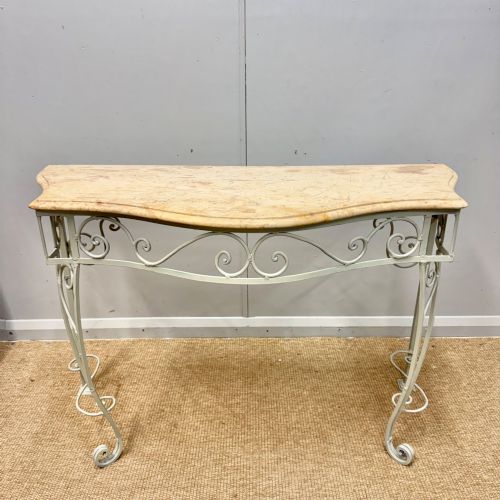
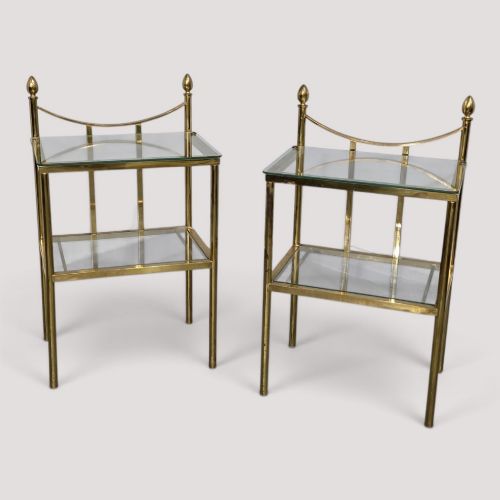
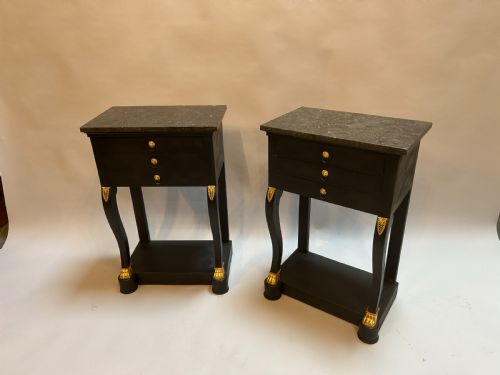
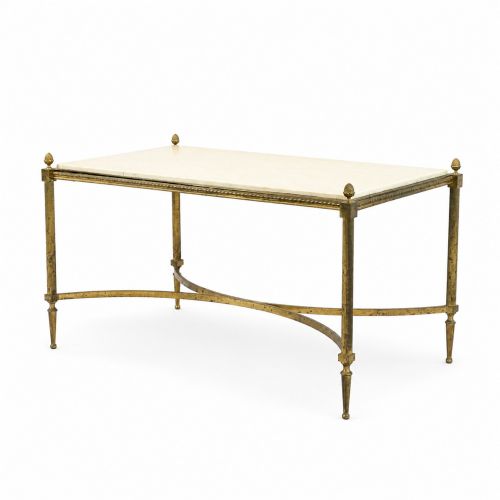
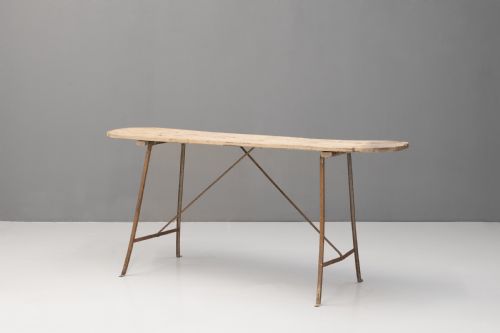
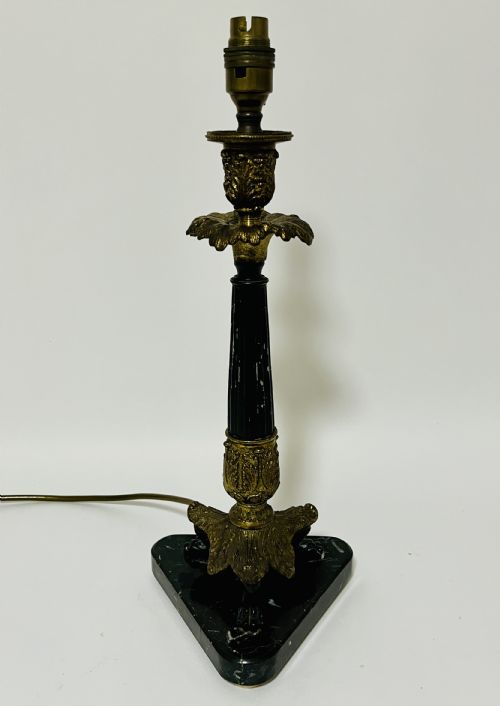
When you examine french metal side tables, you encounter a diverse array of forms designed for both utility and decorative display across multiple historic periods. The selection spans robust garden furniture, ornate indoor console tables, and refined lamp stands originating from various eras of European design.
Materials and construction methods
Metalworking techniques heavily define these pieces, utilising durable cast iron, malleable wrought iron, and polished brass or gilt bronze for structural integrity and decorative appeal. Smiths and manufacturers shaped metal frames through casting, forging, and chiseled detailing to achieve intricate structural supports.
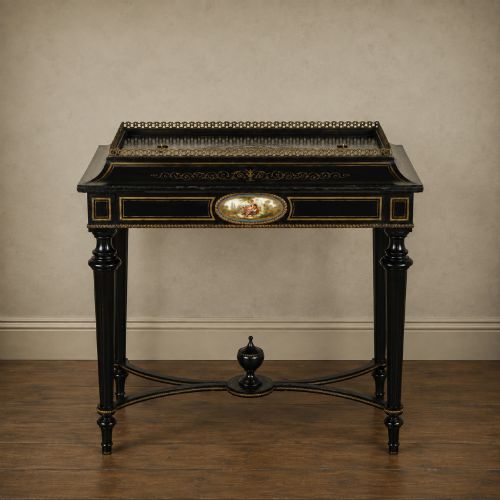
Table surfaces frequently incorporate heavy marble, onyx, or inset glass panels, resting securely upon metal bases. Wood elements such as walnut and marquetry occasionally supplement the metal frameworks, particularly in cabinet and occasional table forms.
French Metal Side Tables Retail Price Guide 2026
Typical asking prices for french metal side tables among the pieces listed under this phrase on Sellingantiques today, from the lower quarter to the upper quarter. They describe what is for sale here now, not the wider market.
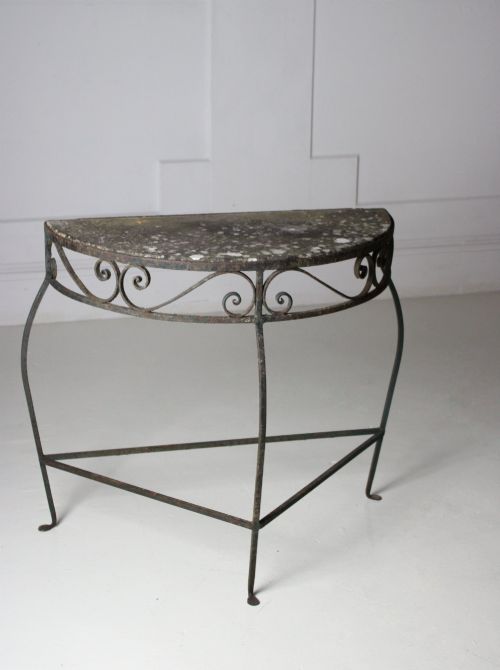
Several items hail directly from potting sheds and orangery floors, carrying the weathered charm of nineteenth-century gardening traditions.
Distinctions in craftsmanship and finish
Quality separates simple utilitarian items from masterworks through the precision of the metal casting, the weight and veining of the fitted marble, and the subtlety of the gilt or painted finish. Finer examples display meticulous chiselling on bronze mounts and seamless integration between stone tops and metal bases.
The integrity of the structural joints and the preservation of original patination significantly influence the standing of an individual piece. Lesser items might show crude welding or replacement tops, whereas superior examples retain their original components and period patinas intact.
E Rousseau·Masion Ramsay·Muller Bros
The French Metal Side Tables Glossary
- Guéridon
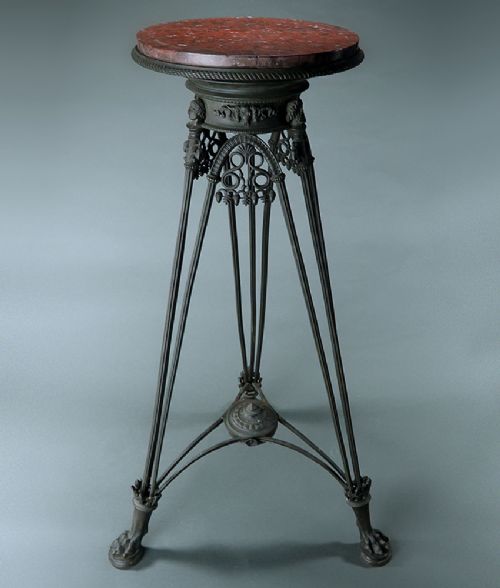
- A small round table on a central pillar or multiple legs, frequently topped with marble and mounted in gilt metal. This form became popular in France during the eighteenth and nineteenth centuries.
- Ormolu
- Gilded bronze, typically mercury-gilded, applied as decorative mounts on furniture and lamp bases. This technique creates a rich, metallic lustre characteristic of high-end continental pieces.
- Spelter
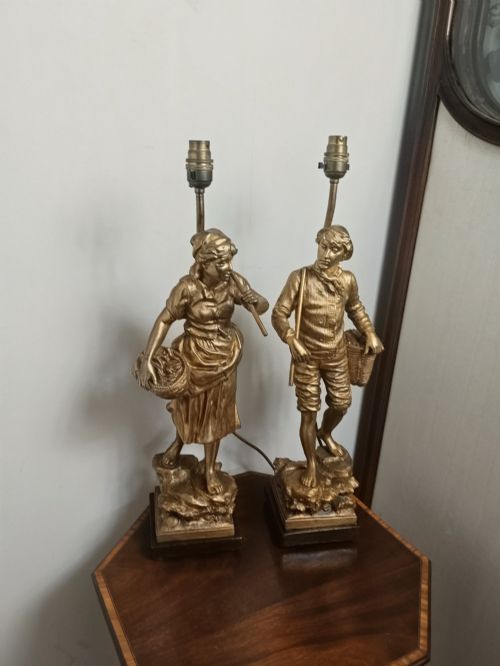
- A zinc alloy used as a cost-effective alternative to bronze for casting figural table lamps and decorative objects. It often received a bronze-like or painted finish.
- Jardinière
- A decorative stand or receptacle designed to hold plants or flowers, frequently constructed from brass or cast iron with ornate detailing. These items served as focal points in period interiors and conservatories.
- Marquetry
- The art of applying pieces of veneer to a structure to form decorative patterns, occasionally paired with metal mounts on sophisticated side tables.
French Metal Side Tables: Frequently Asked Questions
What periods do french metal side tables cover?
The available selection spans from the nineteenth century through the early twentieth century, encompassing Victorian, Edwardian, and Art Deco eras.
These pieces reflect shifting design movements, moving from ornate revival styles to streamlined twentieth-century aesthetics.
How do I identify a guéridon table?
A guéridon is typically a round table featuring a stone top, most commonly marble, supported by a central pedestal or distinct legs.
They frequently incorporate brass, gilt metal, or iron framing and were traditionally used for serving drinks or displaying decorative objects.
Are these tables suitable for outdoor use?
Certain variations, specifically cast iron garden tables and verdigris copper-topped potting tables, were manufactured expressly for outdoor or conservatory environments.
Indoor pieces featuring gilt bronze, marble, and delicate marquetry require protection from moisture and direct weather exposure.
What materials are most common?
Wrought iron, cast iron, brass, and gilt metal form the primary structural components across the inventory.
These metals are frequently paired with contrasting marble, onyx, glass, or timber surfaces to complete the design.