







French Library Shelf
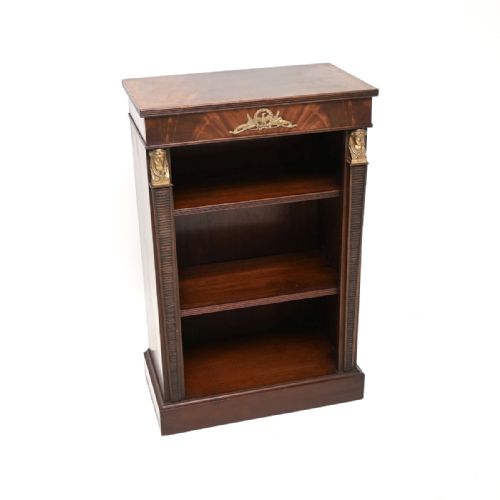
A French library shelf offers timeless storage for books, spanning polished mahogany and rustic bleached oak.
French Library Shelf
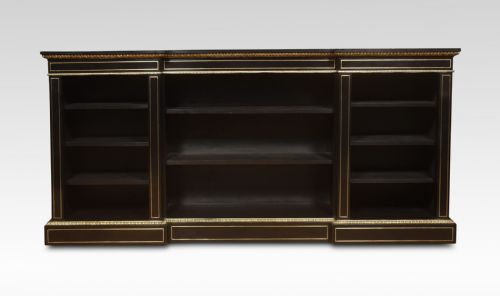
A French library shelf encompasses open bookcases, tall oak shelving units, and practical library carts found on this page. These pieces serve to house collections while bringing continental character into domestic spaces.
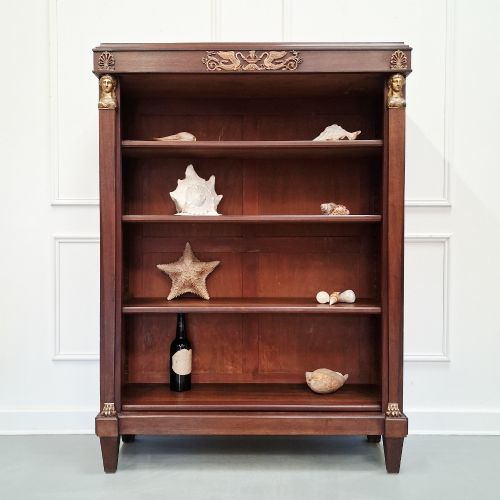
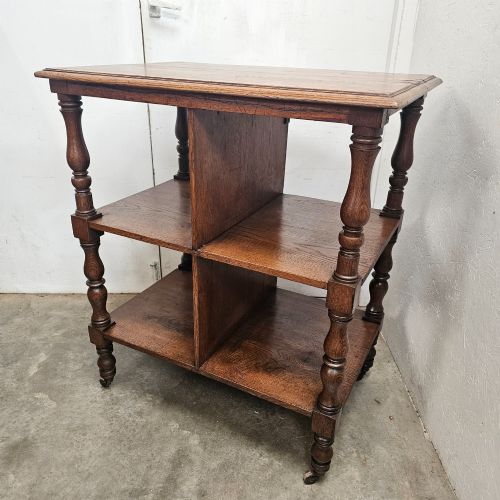
Buyers encountering this selection will frequently meet open bookcases and tall oak examples dating from the nineteenth century. These forms vary from grand Napoleonic styles down to diminutive walnut etageres and revolving book tiers.
Origins stretch from eighteenth-century bleached oak pieces to later nineteenth-century mahogany and satinwood incarnations. Regional and provincial variations sit alongside formal Empire styles to form a diverse array of shelving.
Construction and materials
Cabinetmakers utilised dense timbers such as mahogany, walnut, oak, and satinwood to build these library pieces. Grain patterns were selected carefully to add visual weight and texture to upright bookcase frames.
French Library Shelf Retail Price Guide 2026
Typical asking prices for french library shelf among the pieces listed under this phrase on Sellingantiques today, from the lower quarter to the upper quarter. They describe what is for sale here now, not the wider market.
Object forms on this page range from tall open bookcases and etageres to library carts and revolving book tiers.
Assessing quality and craftsmanship
Standard differs through the choice of primary timber and the crispness of applied brass or ormolu mounts. Finer examples display meticulous joinery and well-figured veneers across larger expanses of mahogany or satinwood.
Proportion and decorative restraint divide utilitarian shelving from sophisticated pieces influenced by neoclassical Empire design. The integrity of the original wood finish dictates the overall character of each shelf unit.
The French Library Shelf Glossary
- Ormolu
- Gilded bronze mounts applied to furniture. This decorative technique adds metallic contrast against dark woods like mahogany.
- Etagere
- An open tiered piece of furniture used for displaying small items or books. Diminutive walnut versions appear frequently in French interiors.
- Empire
- A neoclassical design style spanning the late eighteenth and nineteenth centuries. Pieces from this period often display architectural lines and classical brass mounts.
- Bleached oak
- Timber treated to lighten its natural tone. Eighteenth-century examples frequently exhibit this pale, weathered surface.
- Revolving bookcase
- A compact shelving unit designed to rotate on a central base. This allows easy access to books in smaller spaces.
French Library Shelf: Frequently Asked Questions
How do I style a French library shelf at home?
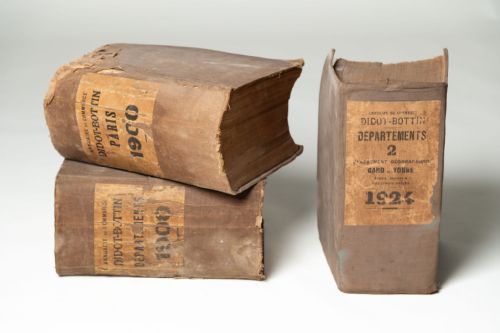
Pair tall open bookcases with antique leather-bound volumes and decorative objects to create a classic study atmosphere. Mixing heights and depths adds visual interest to the display.
Ensure heavy volumes sit on lower shelves for stability, leaving upper tiers lighter with smaller books or decorative papers.
What is the difference between Empire and Napoleon III styles?
Empire pieces draw directly on classical Roman and Greek motifs, featuring strict symmetry and formal architectural proportions. Mahogany and bold brass mounts define this earlier aesthetic.
Napoleon III design later revived these classical elements alongside eclectic influences, often incorporating ebonised finishes and delicate decorative mounts.
Are these shelves suitable for modern books?
Many nineteenth-century bookcases feature adjustable shelving systems to accommodate varying book heights. This adaptability makes them practical for contemporary collections of all sizes.
Measure your largest volumes before purchase to confirm proper clearance on fixed or adjustable tier levels.
How do I care for antique wood shelving?
Keep wooden bookcases away from direct heat sources and strong sunlight to prevent the timber from drying or cracking. Regular dusting with a soft, dry cloth preserves the finish.
Apply high-quality beeswax sparingly when the wood appears dry, buffing gently to maintain a soft natural sheen.