


French Landscape Wall Art
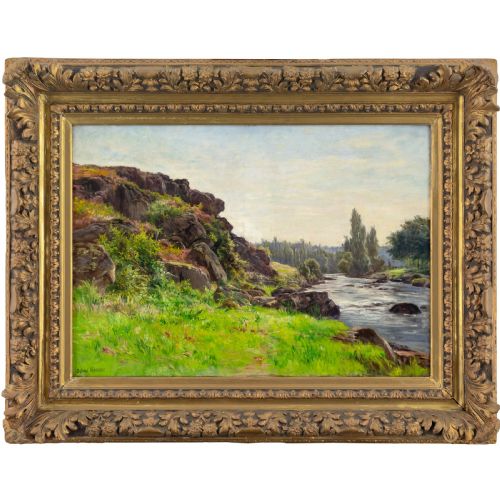
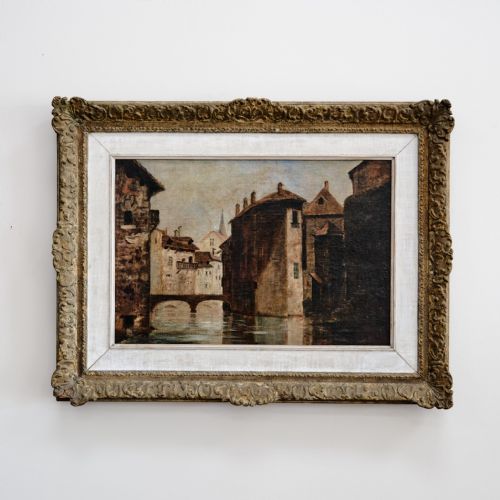
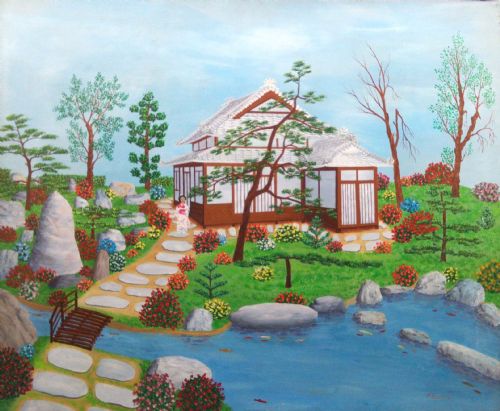
French landscape wall art brings the riverbanks, chateaux, and coastal cliffs of France into a room through oil, canvas, and woven wool.
French Landscape Wall Art
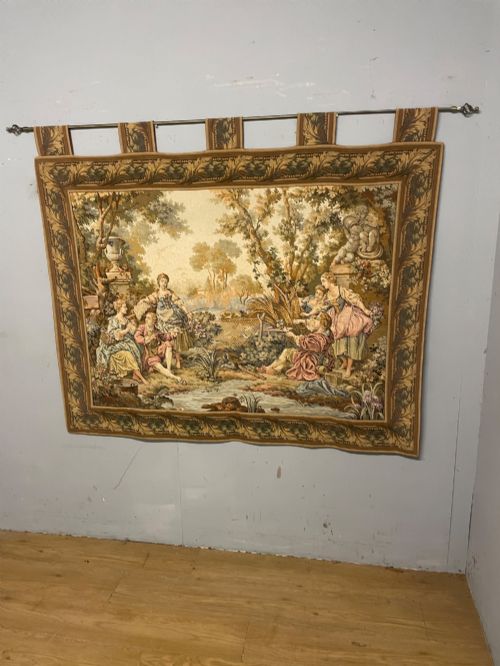
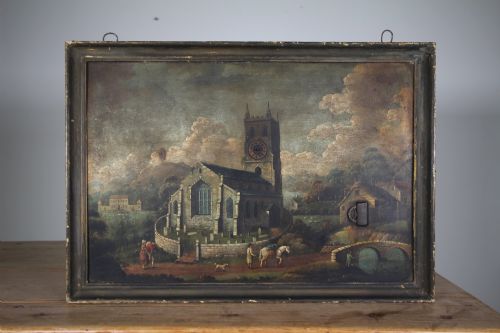
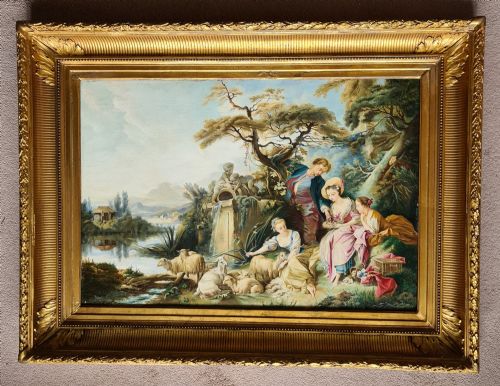
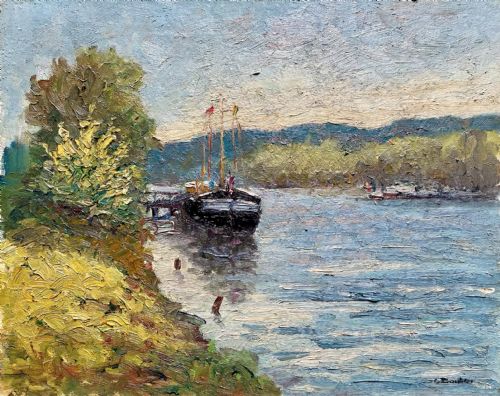
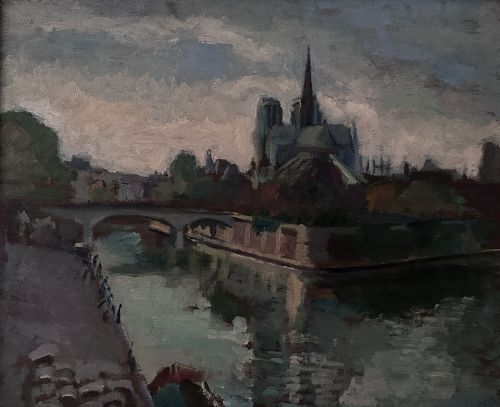
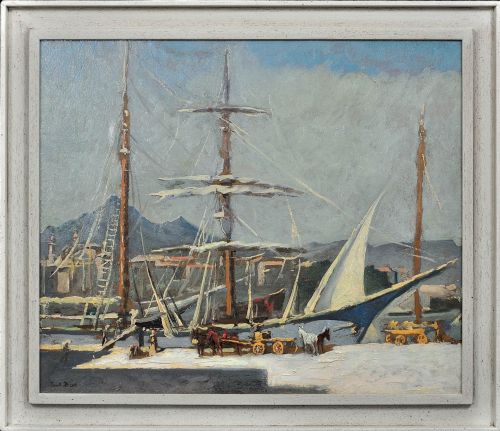
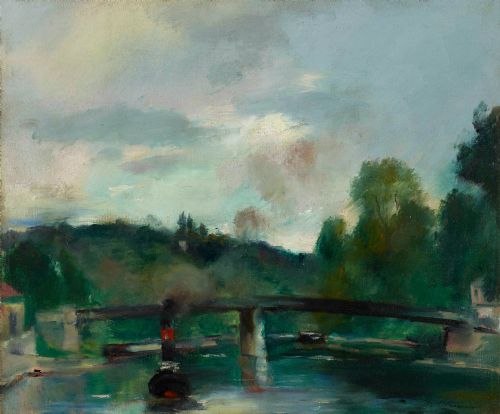
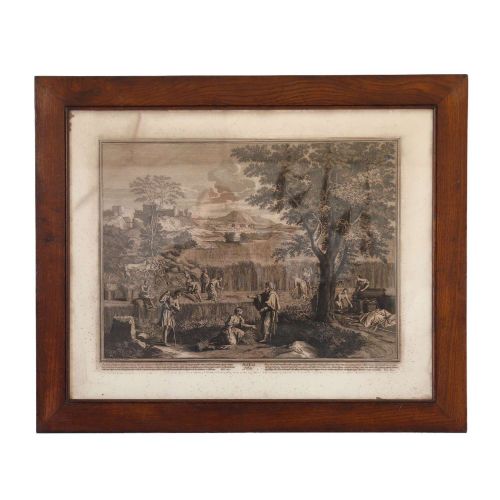
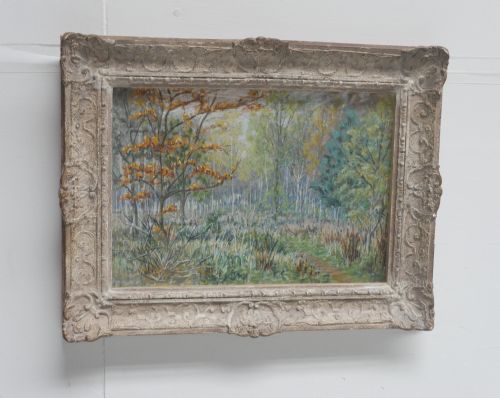
When you search for french landscape wall art, you encounter a varied selection of painted canvases, framed engravings, and woven tapestries spanning several centuries. The most common examples on this page are oil paintings and verdure tapestries executed in Impressionist, Post-Impressionist, or traditional academic styles.
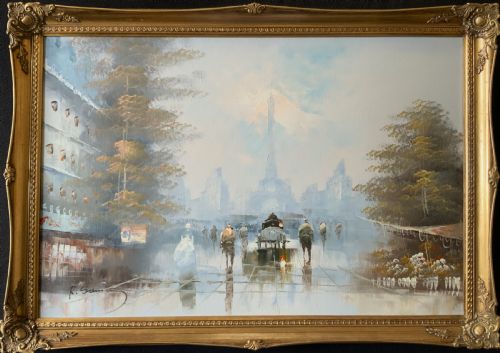
These works range from grand 17th-century Aubusson wall panels depicting mythological scenes and lush foliage to mid-20th-century oil paintings capturing Parisian streetscapes and the Normandy coastline. Each piece reflects the enduring preoccupation of artists and weavers with capturing the natural light and topography of French regions.
The objects serve primarily as interior decoration, functioning either as large focal points above mantels or as intimate framed studies of rural rivers and harbours. Their forms vary from expansive rectangular wall hangings to smaller framed panels suitable for domestic display.
Materials and Construction
The physical foundation of these pieces relies heavily on oil paint applied to canvas or wood panels, alongside hand-woven wool and silk in the textile examples. Supporting structures frequently incorporate gesso and carved or gilded wooden frames that complement the period of the artwork.
Painters utilised oil on canvas or panel to build up textured brushwork and atmospheric depth, particularly evident in Impressionist and Post-Impressionist canvases. Tapestries from workshops in locations like Aubusson were constructed using complex weaving techniques with dyed wool and silk threads to create verdant landscape scenes.
Object types recorded on this page include oil paintings, framed prints, wall art, and Aubusson wall tapestries.
Distinctions in Quality
Quality in these works is determined by the skill of the brushwork or the fineness of the weave, alongside the integrity of the original framing and overall preservation. Superior examples display confident composition and nuanced handling of light and colour, whereas lesser pieces can exhibit rigid lines or flat application of pigment.
For tapestries, density of weave and complexity of the verdure design separate standard panels from monumental historical examples. The presence of period-appropriate frames and documented provenance further distinguish works at the top of the range.
Gabriel Mathieu·Paul Bret·Henri Ottmann·Étienne Baudet·Erich Mercker·Lilian Colbourn·Paul-Élie Gernez·Caroline Burnett·Honore Cavaroc·Charles Clair·Raymond Moritz·Alexandre Le Bihan·Louis Suire·Jean-Baptiste Olive·William Lee Hankey·Raimond Louis Lecourt·André Prévot-Valéri·Gabriel Dauchot·Mario Pinetti
The French Landscape Wall Art Glossary
- Aubusson
- A town in France famous for its historical tapestry production. Tapestries originating from here often feature verdant landscape scenes with foliage, trees, and occasional figures or animals.
- Verdure Tapestry
- A type of wall tapestry dominated by lush botanical designs, trees, and landscape elements. These textiles frequently include depictions of forests, rivers, and distant chateaux.
- Impressionism
- A 19th-century art movement characterised by relatively small, thin, yet visible brush strokes and an emphasis on accurate depiction of light. Works in this style prioritize ordinary subject matter and open compositions.
- Post-Impressionism
- A predominantly French art movement that developed from about 1886 to 1905, extending Impressionism while rejecting its limitations. Artists eschewed its limitations while continuing to use vivid colours and thick paint.
- Engraving
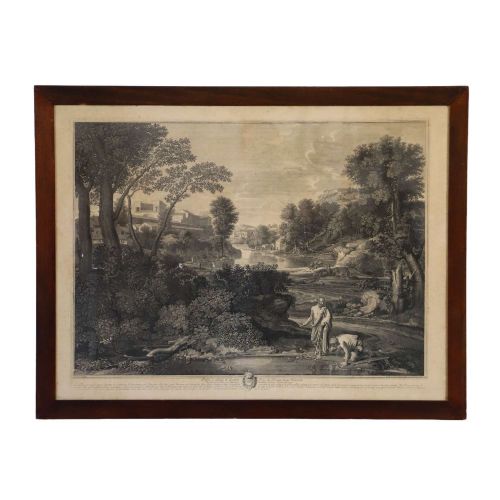
- A printmaking technique where an image is incised into a plate, traditionally copper or steel, to hold the ink. Framed examples of these paper works often depict classical or mythological subjects within landscapes.
French Landscape Wall Art: Frequently Asked Questions
How do I hang a large antique tapestry?
Large tapestries require even weight distribution across a sturdy wooden batten or metal rod fixed securely to wall studs. This prevents distortion of the wool and silk weave over time.
Ensure the textile is lined and fitted with a suspension sleeve on the reverse before hanging away from direct sunlight.
What is a verdure tapestry?
A verdure tapestry is a decorative wall hanging dominated by plant motifs, foliage, trees, and landscape views. They were traditionally woven in workshops such as Aubusson to bring outdoor scenery into interior rooms.
These pieces often incorporate rivers, birds, and distant architectural elements within dense green woodlands.
How can I date an oil painting of a French landscape?
Dating relies on examining the canvas preparation, stretcher frame construction, pigment types, and stylistic indicators such as brushwork and clothing styles. Signatures and exhibition labels on the reverse also provide chronological markers.
Comparative analysis with documented works by the same artist helps narrow the production window further.
Are these paintings suitable for bright rooms?
Oil paintings on canvas and framed engravings are sensitive to ultraviolet light and excessive moisture, which can cause fading or pigment degradation. Placing them out of direct sunlight preserves the original colours.
Maintaining stable ambient room temperature prevents warping in wooden panels and stretcher frames.