





French Kitchen Benches
French kitchen benches bring honest utility and enduring character to domestic spaces through robust timbers and functional forms.
French Kitchen Benches
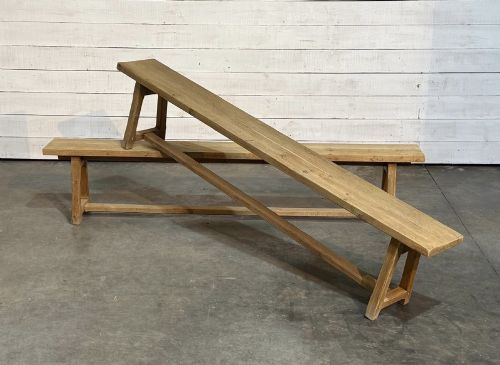
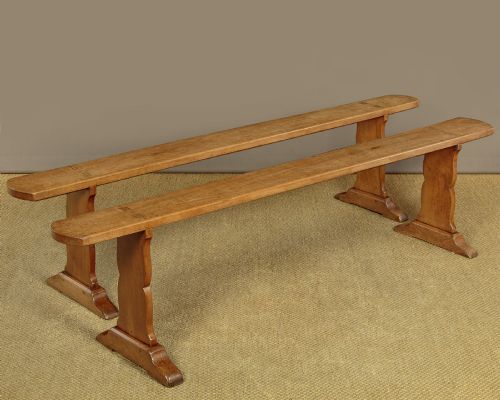
When you search for french kitchen benches, you encounter functional seating and workspace solutions rooted in rural traditions, predominantly dating from the nineteenth century. These pieces encompass oak dining benches, cherrywood examples, and sturdy work surfaces adapted for modern living.
The aesthetic embraces french provincial, country, and primitive styles, reflecting domestic and artisan use across rural France. Buyers find substantial timbers such as pine, oak, cherrywood, and beech employed across these seating and preparation forms.
How they were made
Maker construction relies on heavy native hardwoods like oak, cherrywood, beech, ash, and elm, paired with softer pine for larger table and bench surfaces. Joinery prioritises durability, utilising thick timber boards and structural bracing to withstand daily labour and communal dining.
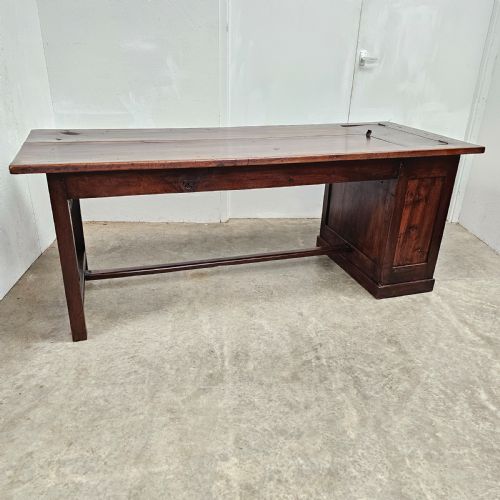
Metal elements such as cast iron appear functionally, notably in vices attached to artisans' workbenches and prep tables. Surface treatments include original paint and natural timber finishes that display the grain and wear of decades of use.
French Kitchen Benches Retail Price Guide 2026
Typical asking prices for french kitchen benches among the pieces listed under this phrase on Sellingantiques today, from the lower quarter to the upper quarter. They describe what is for sale here now, not the wider market.
Some workbenches still retain their heavy iron vices, ready for kneading bread or clamping unexpected household projects.
What varies in quality
Quality in these pieces rests in the integrity of the timber selection, distinguishing simple utilitarian pine from dense, figured cherrywood or quarter-sawn oak. The substance of the construction, from thick two-board table tops to heavy bench framing, defines the higher tiers of the range.
Provenance and original purpose also separate examples, with dedicated artisan workbenches retaining functional vices carrying distinct historical utility compared to domestic seating. The preservation of original surface paint or patinated timber finishes dictates the visual distinction between standard and superior pieces.
Trussant And Cie
The French Kitchen Benches Glossary
- Bench
- A long seat designed for multiple occupants, frequently utilised alongside dining tables in country interiors.
- Workbench
- A heavy-duty table fitted with artisan tools such as vices, originally built for manual trades and adapted for kitchen preparation.
- Cherrywood
- A dense, warm-toned fruitwood utilised by makers for fine country furniture and seating.
- Primitive
- A descriptive style denoting rustic, unpretentious construction built purely for utility without decorative refinement.
- Patina
- The surface sheen and coloration developed through years of handling, cleaning, and exposure to light.
French Kitchen Benches: Frequently Asked Questions
What materials are used?
The listings feature a range of traditional timbers including oak, pine, cherrywood, beech, ash, and elm. Cast iron and paint also appear on functional workbenches and tables.
These materials reflect the regional availability of wood in rural France during the nineteenth century, prioritising hard-wearing properties for daily work.
How were they used?
Many of these pieces served practical functions in workshops, florists, and country houses as prep tables, drapers' tables, and butchers' blocks. Others provided communal seating as dining benches.
Their robust construction allowed them to endure heavy daily labour before transitioning into domestic settings.
How do I style one?
These benches integrate into modern kitchens and dining areas by adding rustic texture and historic contrast to contemporary interiors. Paired tables or standalone benches serve as seating or console surfaces.
Their varied lengths, including substantial eight-foot formats, suit larger spaces requiring anchor furniture.
How do I identify periods?
Dating relies on construction methods, timber choice, and stylistic markers associated with nineteenth-century French provincial and primitive traditions. Specific dates like eighteen-eighty or nineteen-twenty appear in verified listings.
Tool marks and structural wear further indicate the age and authenticity of each piece.