


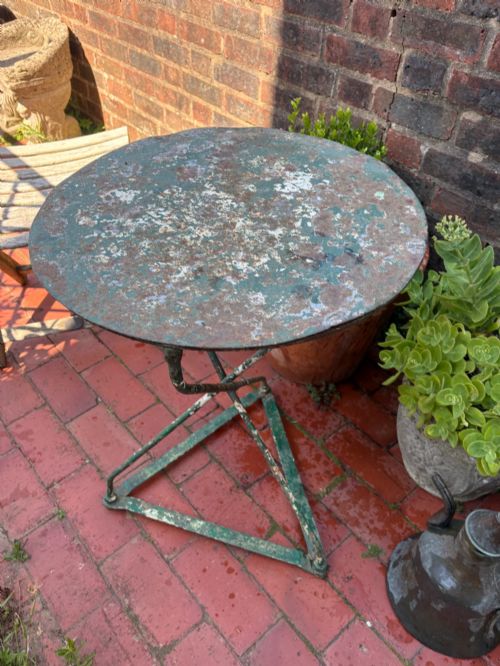


French Iron Side Table
These french iron side table pieces bring practical metalwork and stone surfaces into domestic spaces, offering sturdy utility with continental style.

French Iron Side Table
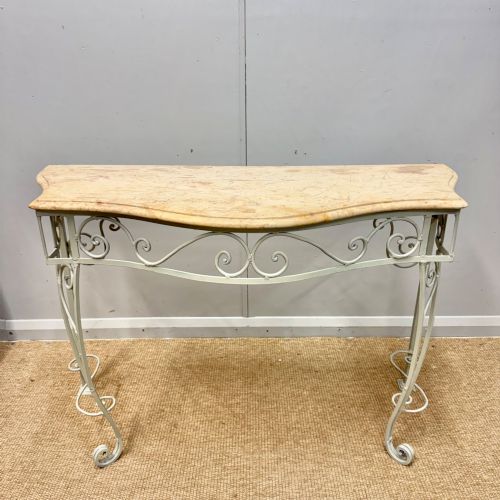
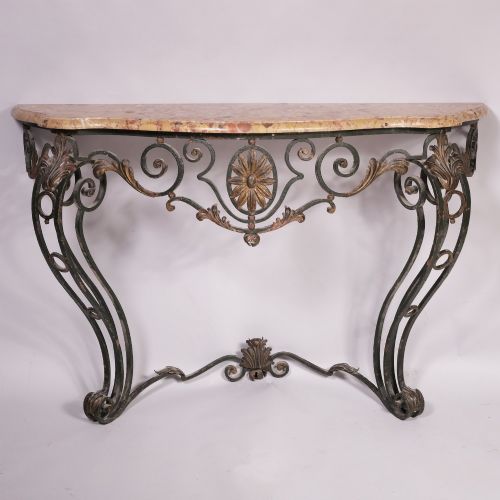
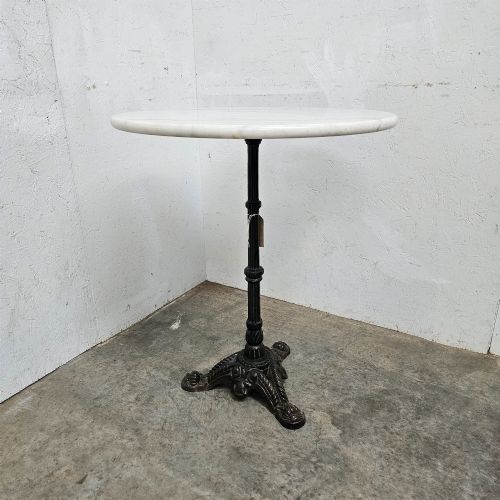
A french iron side table encompasses console tables, bistro tables, and gueridon round tables originating from periods such as the nineteenth century, Edwardian era, and the nineteen-twenties. Buyers searching this phrase encounter variations styled in French country, bistro, provincial, chateau, and art deco aesthetics, often pairing metal bases with stone or glass surfaces.
The material combination typically unites iron frames with marble or wooden tops, serving functions from cafe use to hall display and garden placement. Surviving examples reflect the practical needs of past interiors, adapting readily to contemporary rooms as compact side surfaces.
Materials and Construction
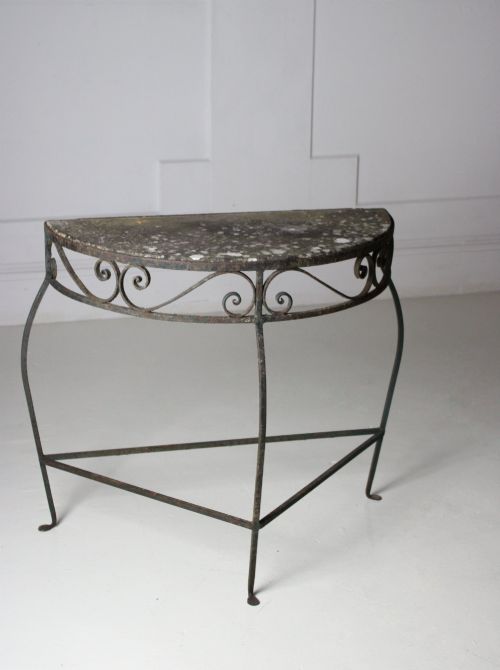
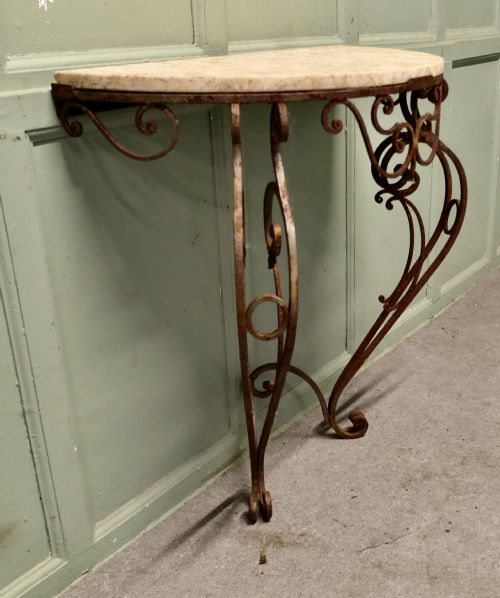
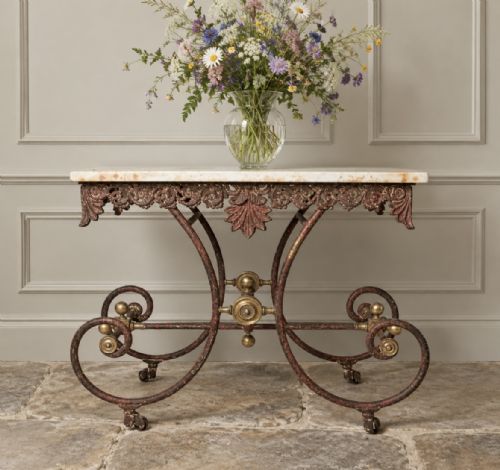
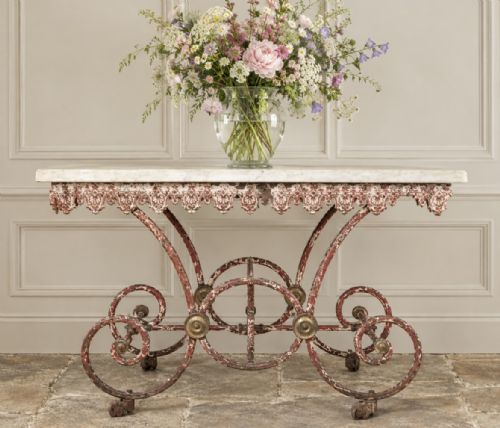
Construction relies heavily on shaped wrought iron and cast iron frameworks, frequently combined with heavy marble slabs, glass, or timber tops. Metal components show varying techniques of forging and casting, sometimes enhanced with brass detailing or protective paint finishes.
Marble tops sit directly within iron frames or upon supportive aprons, while surfaces like enamelled glass or steel appear in specific art deco and industrial pieces. Joinery and assembly methods reflect period workshop practices, balancing structural weight with decorative grace.
Several tables were originally built for French patisseries and butchers, trading baguettes and brisk trade for afternoon cups of tea.
Evaluating Quality and Detail
Quality reveals itself in the finesse of the ironwork, from fluid hand-forged curves on wrought iron frames to crisp detailing in cast iron bases. Superior examples feature well-fitted marble or glass tops that sit flush within their metal surrounds without wobble.
The integrity of the original painted surface or patinated metal adds considerable character, distinguishing pieces that retain their authentic finish from later alterations. Heavier, more substantial metal gauges and integrated brass accents elevate certain tables above standard utility items.
The French Iron Side Table Glossary
- Wrought iron
- Iron that is heated and worked with tools by a blacksmith, yielding fibrous metal capable of being shaped into curves and scrolls. This material forms the structural base for many decorative console and bistro tables.
- Cast iron
- Iron poured in a molten state into a mould to take the shape of the cavity, producing sturdy and ornate table bases. This technique allows for repeatable patterns and robust industrial framing.
- Gueridon
- A small round table supported by a central pillar or multiple legs, originating in seventeenth-century France. These pieces serve well as compact side tables or display surfaces.
- Console table
- A table designed to stand against a wall, frequently featuring a narrow rectangular marble top and an elaborate iron base. They function effectively in hallways and reception rooms.
- Bistro table
- A small cafe or dining table featuring an iron base and a marble or wooden top. These items bring functional Parisian style into modern domestic interiors.
French Iron Side Table: Frequently Asked Questions
Where do I put a french iron side table?
These pieces fit naturally in hallways as console tables, beside seating in living rooms, or in conservatories as garden and plant display surfaces.
Their compact footprints and durable stone or glass tops also suit kitchens and bedrooms where extra surface area is needed.
How do I clean a marble top table?
Wipe the marble surface regularly with a soft damp cloth and mild neutral soap to prevent staining from spills and daily use.
Avoid acidic cleaners and harsh scrubbing agents that can etch or dull the polished stone finish over time.
Are these tables suitable for outdoor use?
Many examples originate as garden, cafe, or conservatory furniture designed to withstand outdoor conditions, particularly those made with cast or wrought iron.
However, protecting delicate painted finishes or bringing tables indoors during harsh winter weather helps preserve the materials.
How do I identify an art deco iron table?
Art deco pieces typically date from the nineteen-twenties and nineteen-thirties, featuring geometric lines, stylised motifs, and occasionally enamelled glass elements.
These designs contrast with the more ornate scrolls of nineteenth-century French country and Victorian styles.