

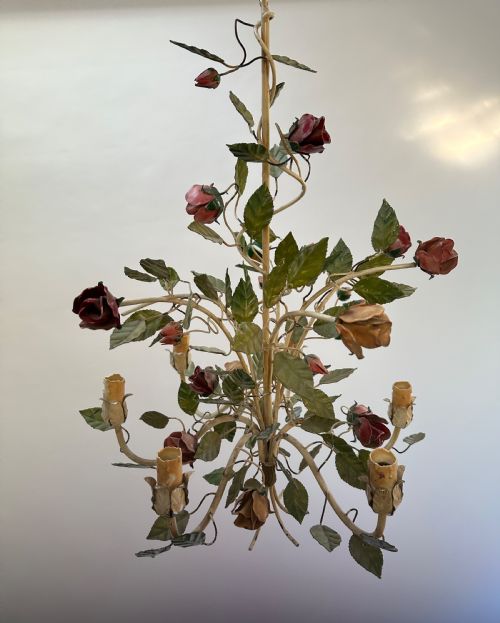


French Iron Pendant Light
A French iron pendant light brings character and industrial weight to high ceilings, using forged metal and glass to anchor a room.
French Iron Pendant Light
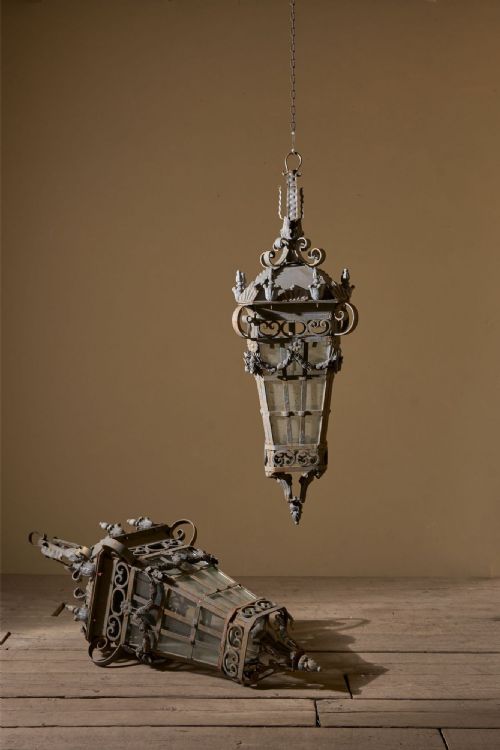
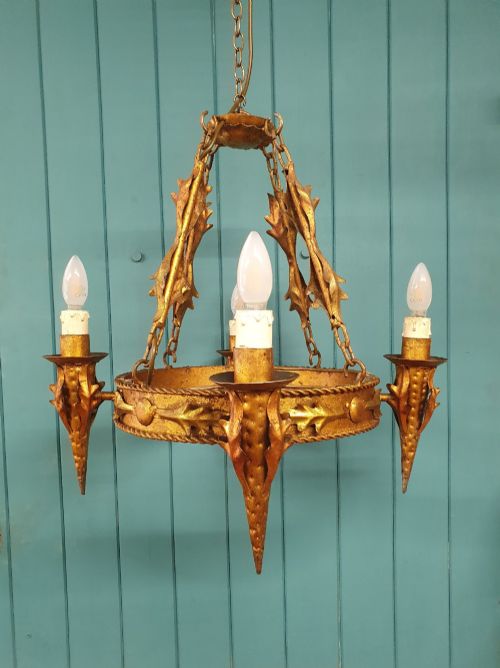
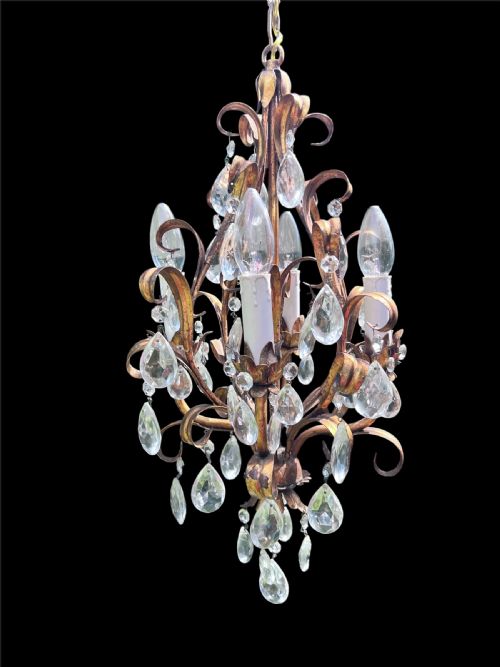
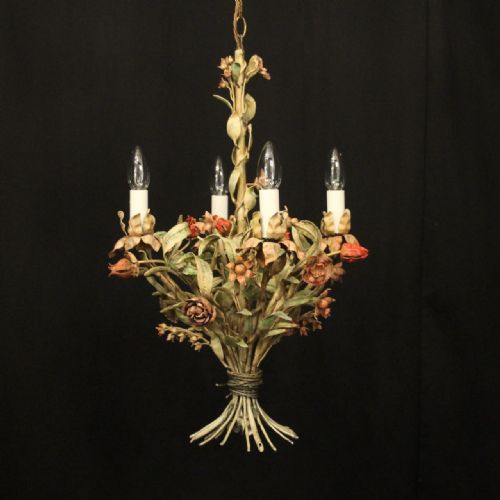
When you search for a french iron pendant light, you encounter a selection of hanging lanterns, hall lanterns, and multi-branched chandeliers dating from the nineteenth century through the nineteen-forties. These fixtures span regional aesthetics like French Provincial and French Chateau alongside urban styles such as Art Nouveau and Art Deco.
The most common examples on this page combine forged metalwork with glass components, ranging from simple porch lanterns to complex eight-light chandeliers adorned with coloured crystals or stained glass panels.
Origins heavily favour French workshops and provincial foundries, though occasional Italian Florentine pieces appear alongside items bearing specific maker signatures from the early twentieth century.
Construction and Materials
Makers shaped structural frames primarily from wrought iron, steel, and brass, utilising hand-forging and riveting techniques to build rigid skeletons capable of supporting heavy glass elements. Metal surfaces often received applied finishes including gilding, polychrome paint, or patination to alter the raw appearance of the iron.
Lighting bowls, shades, and decorative drops utilise specialised glasswork such as frosted glass, stained glass, leaded panes, and pate de verre. Artisans combined these fragile components directly into the metal armature, securing them with internal brackets, collars, or lead cames.
Some nineteenth-century branch chandeliers arrive complete with handmade coloured crystal fruits including grapes, apples, and pears.
Assessing Craftsmanship
The distinction between standard production and superior craftsmanship lies in the intricacy of the metal manipulation and the quality of the integrated glass. Hand-hammered scrollwork, complex botanical motifs, and signed pate de verre shades indicate workshop pieces of higher ambition.
Weight distribution and structural integrity also separate fine examples from simpler utilitarian items, as robust hanging loops and heavy-gauge iron frames ensure safe suspension over time.
Schneider·Verrerie Des Vosge·Muller Freres
The French Iron Pendant Light Glossary
- Wrought iron
- A tough, malleable form of iron containing silicate slag, historically hammered by hand into decorative scrolls and structural frames. This material forms the primary skeleton for many period hanging fixtures.
- Pate de verre
- A glass-making technique where crushed glass is packed into a mould and fused in a kiln, producing dense, textured panels with rich colouration. Associated with notable early twentieth-century glass houses.
- Hall lantern
- An enclosed hanging light designed specifically for entryways, vestibules, or corridors. These fixtures typically feature glazed panels held within a rigid metal cage.
- Toleware
- Painted or enamelled sheet metal items produced in imitation of japanned wares. Found on specific polychrome chandeliers from the French tradition.
- Art Nouveau
- A decorative style prevalent around nineteen-hundred characterised by sinuous, organic lines and floral motifs. Appears on metalwork and glass shades from this era.
French Iron Pendant Light: Frequently Asked Questions
What periods do these lights cover?
The available lighting spans from the nineteenth century through the nineteen-forties, covering stylistic shifts from ornate nineteenth-century Revival periods to clean Art Deco geometry.
Early twentieth-century pieces frequently display Arts and Crafts or Art Nouveau influences, while later items incorporate streamlined industrial forms.
Can I use modern bulbs in them?
Most antique fixtures accept standard modern screw or bayonet bulbs, provided the lamp holders have been rewired to meet current safety standards. Check the internal clearance of enclosed lanterns before fitting larger bulbs.
Low-heat LED alternatives help protect fragile nineteenth-century glass and painted finishes from thermal stress.
How do I clean period glass and iron?
Dust iron frames gently with a dry microfibre cloth to preserve original patinated or painted surfaces without introducing moisture that causes oxidation. Glass panels can be removed carefully and washed with mild soapy water.
Avoid harsh chemical cleaners on gilded or polychrome metal sections, as abrasive agents strip historic surface treatments.