


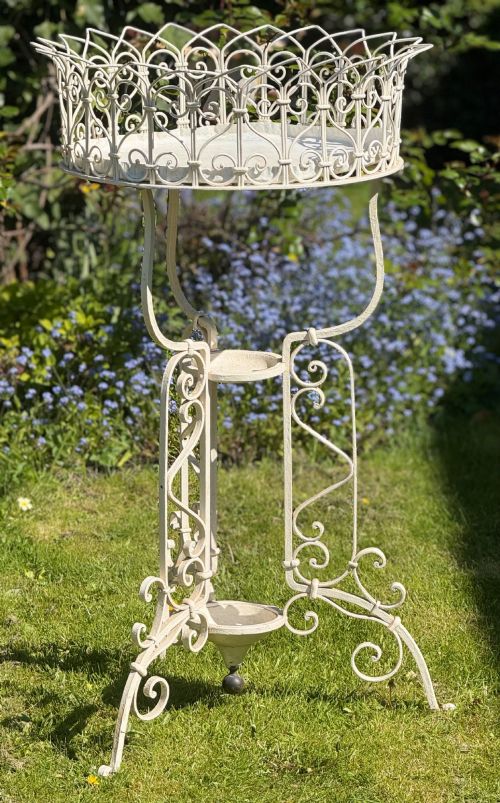


French Iron Jardiniere
A french iron jardiniere brings sculptural utility to garden and terrace, offering a sturdy home for potted plants through enduring metalwork.
French Iron Jardiniere
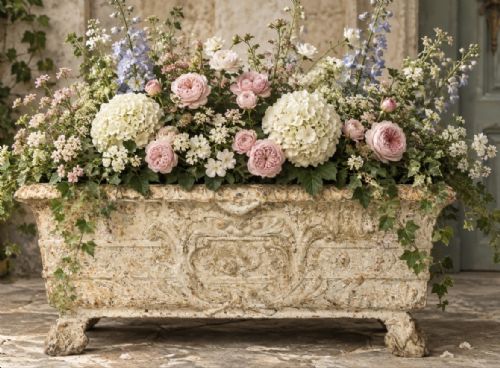
A french iron jardiniere serves as a decorative holder for plants, drawing on forms from the nineteenth century. These items appear across garden planters, plant stands, and urn designs.
The objects on this page align with Victorian and French chateau or country styles. They span materials such as wrought iron, cast iron, wirework, and sheet metal.
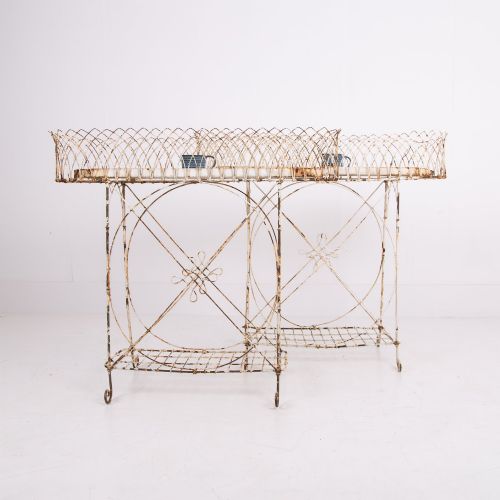
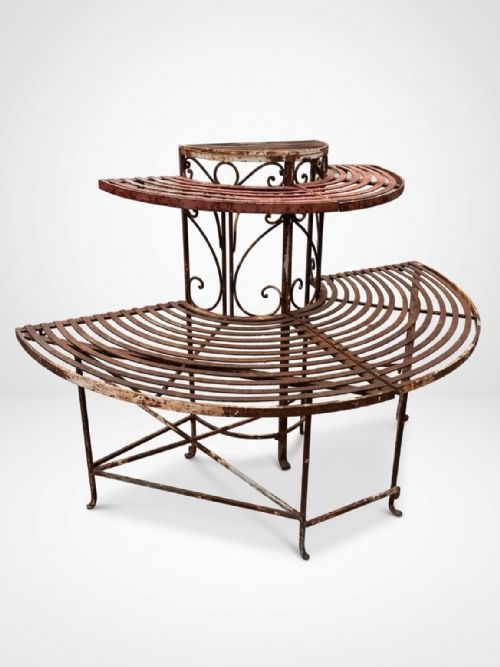
Most examples date to the nineteenth century, with occasional pieces from nineteen thirty. Buyers encounter forms featuring scrollwork, lattice basket tops, and tiered structures.
Materials and construction
Makers shaped heavy metals into garden vessels utilising cast iron and wrought iron techniques. These methods produced robust frames capable of supporting soil and plantings outdoors.
Secondary elements such as zinc liners, brass components, and wirework introduced contrasting textures. Artisans combined these metals with painted finishes or incorporated marble details.
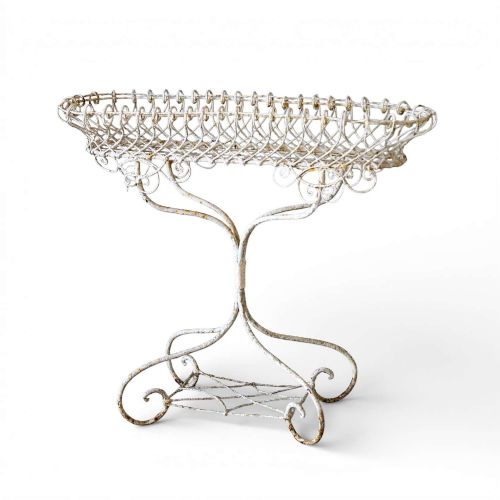
Structural embellishments relied on scrollwork and lattice basket tops formed from wire or strap iron. Such detailing defined the decorative profile of each planter.
French Iron Jardiniere Retail Price Guide 2026
Typical asking prices for french iron jardiniere among the pieces listed under this phrase on Sellingantiques today, from the lower quarter to the upper quarter. They describe what is for sale here now, not the wider market.
Wirework plant stands hide an astonishing structural strength beneath delicate, spider-web lattices designed to hold heavy soil.
Assessing quality and craftsmanship
Distinction in these pieces rests upon the finesse of the metalwork and the complexity of the scroll or lattice assembly. Heavier cast elements and intricate wirework demonstrate superior artisanal effort.
The choice of mixed materials, such as brass fittings or marble tops alongside iron, elevates a piece above standard utility. Original painted surfaces and integrated zinc liners further separate finer examples from basic production.
The French Iron Jardiniere Glossary
- Jardiniere
- An ornamental pot or stand for holding plants or flowers. These vessels sit on terraces or within garden rooms.
- Wrought iron
- Iron that has been heated and worked with tools rather than cast in a mould. This material allows for forged scrollwork and structural framing.
- Wirework
- Metal strands bent and joined to form open-mesh baskets and tiered plant stands. It provides a lighter alternative to solid iron castings.
- Scrollwork
- Spiral or coiled ornamentation worked into metal structures. It forms a common decorative motif on nineteenth-century plant stands.
French Iron Jardiniere: Frequently Asked Questions
What is a french iron jardiniere used for?
These pieces function as decorative plant holders for gardens, patios, and garden rooms. They elevate potted plants and display floral arrangements on terraces.
Their robust metal construction allows them to support heavy plantings outdoors throughout changing weather. Many include baskets or stands designed specifically for display.
How do I date a nineteenth century planter?
Dating relies on observing construction methods, material combinations, and stylistic indicators such as Victorian or neoclassical motifs. Ironwork techniques shifted from hand-forged wrought iron to mass-produced cast iron across the period.
Examining the type of assembly, surface paint layers, and accompanying elements like brass or zinc provides further clues to age.
Where should I place an iron plant stand?
These stands suit garden patios, terraces, and conservatories where plants require elevation and framing. Their weather-resistant metal construction handles outdoor placement well.
Interior settings also benefit from their architectural forms, provided floors are protected from moisture and rust.
What styles are common in these garden pieces?
Victorian and French chateau or country styles dominate the available designs. These aesthetics incorporate scrollwork, lattice basket tops, and neoclassical urn shapes.
Makers also produced tiered wirework structures that reflect nineteenth-century garden display traditions.