



French Iron Furniture
French iron furniture brings enduring strength and classic continental style to gardens and interiors alike.
French Iron Furniture
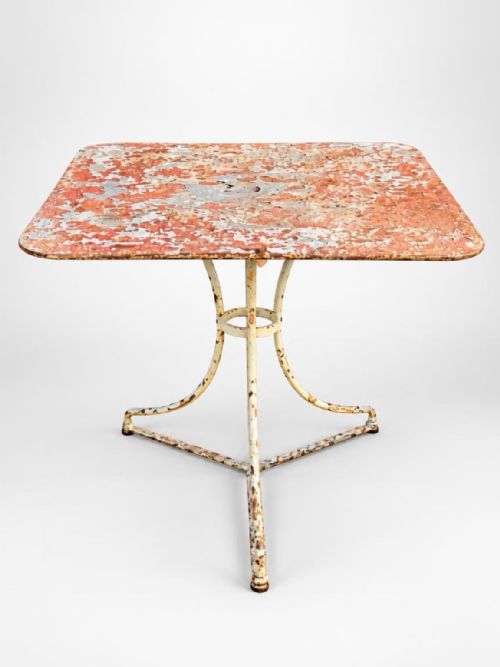
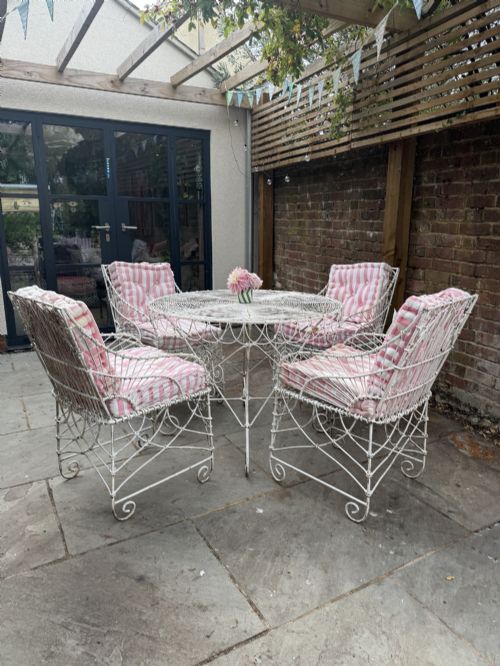
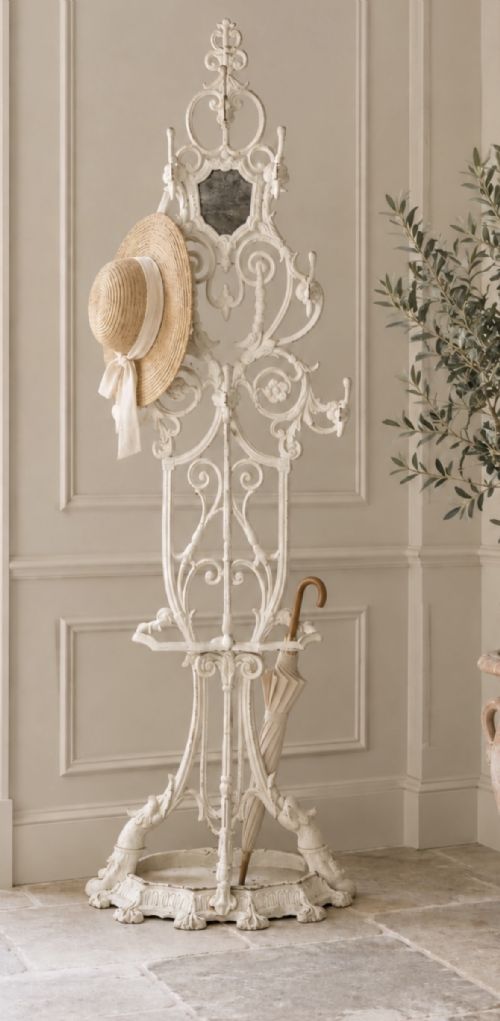
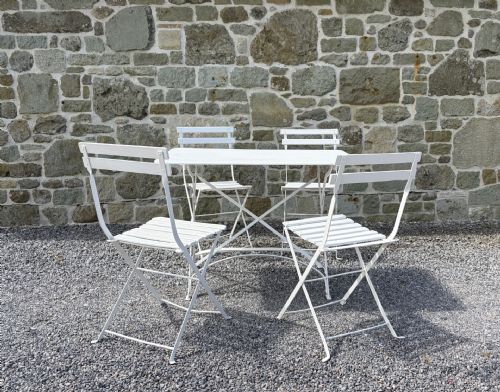
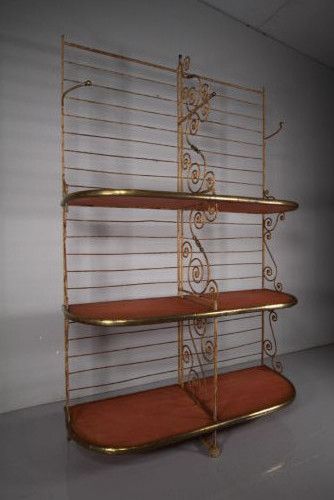
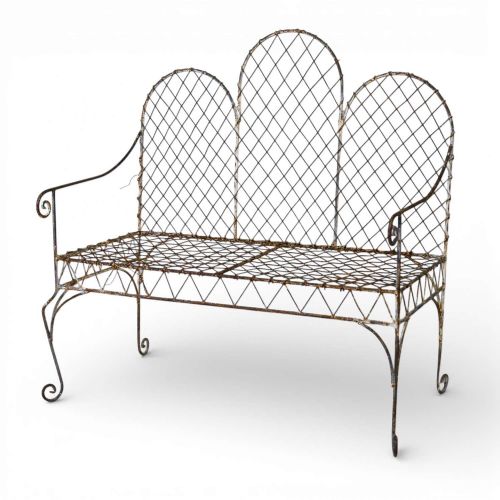
When you search for french iron furniture, you encounter a robust selection of utilitarian and decorative metal pieces spanning the nineteenth and early twentieth centuries. The offerings range from sturdy garden seating and bistro sets to monumental baker racks and hall stands.
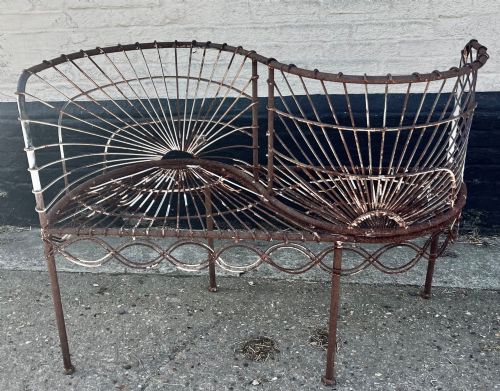
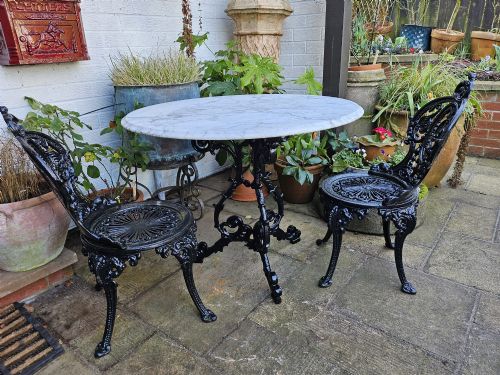
You are most likely to meet practical garden tables, chairs, and benches originating from French provincial settings and Parisian townhouses. These items combine utility with ornamental metalwork, reflecting the craftsmanship of past eras.
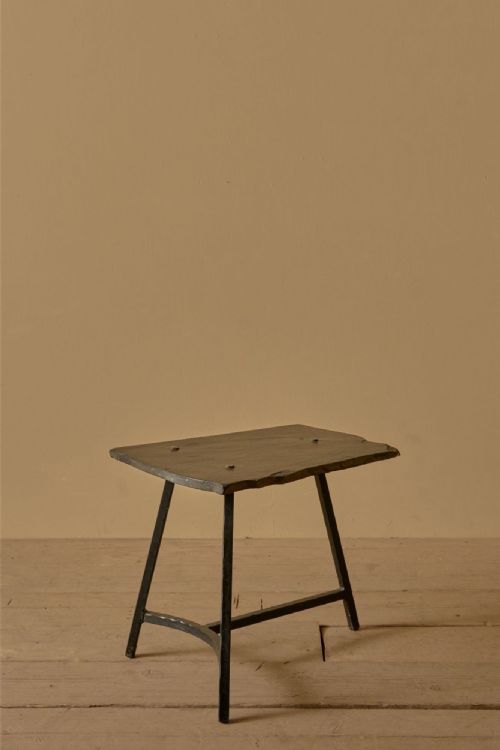
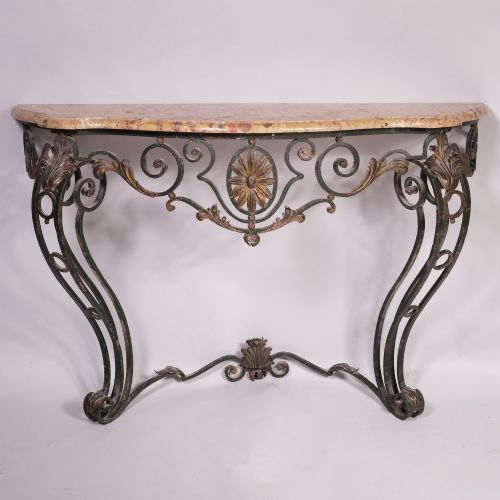
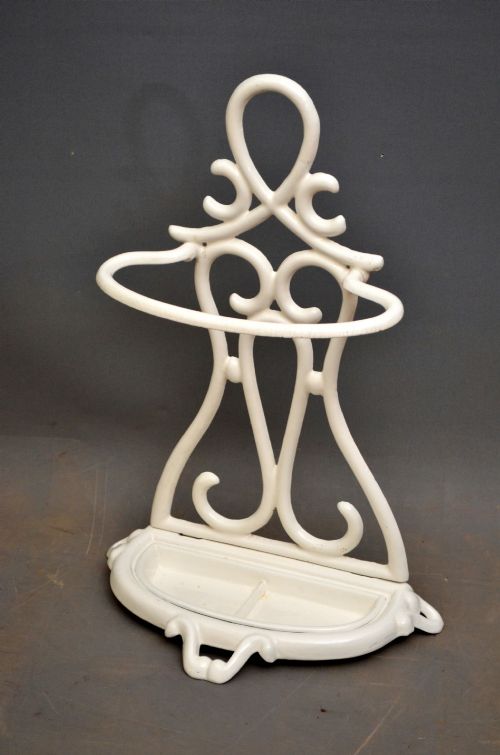
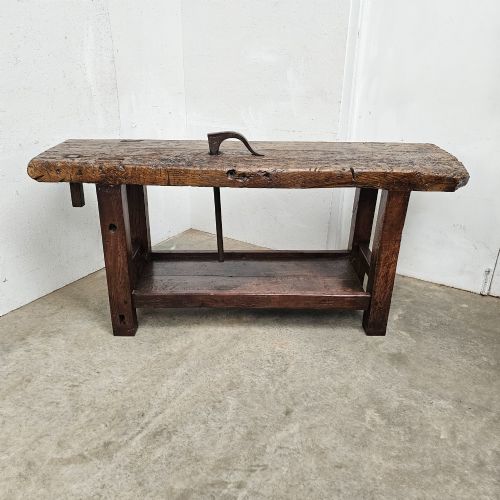
The selection includes diverse forms such as console tables, umbrella stands, and industrial shelving units. Each piece demonstrates how metal was shaped for both domestic comfort and commercial trade.
Materials and construction methods
Makers utilised wrought iron and cast iron alongside steel to provide structural integrity and intricate detailing. Cast iron components allowed for elaborate moulded ornamentation, while wrought iron and steel offered malleable strength for frames and supports.
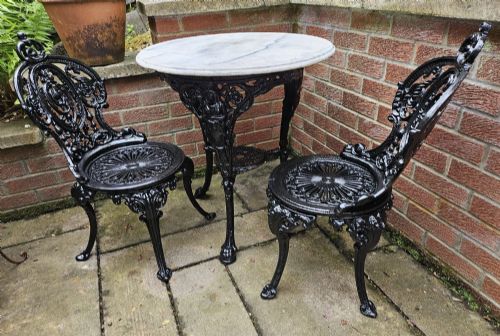
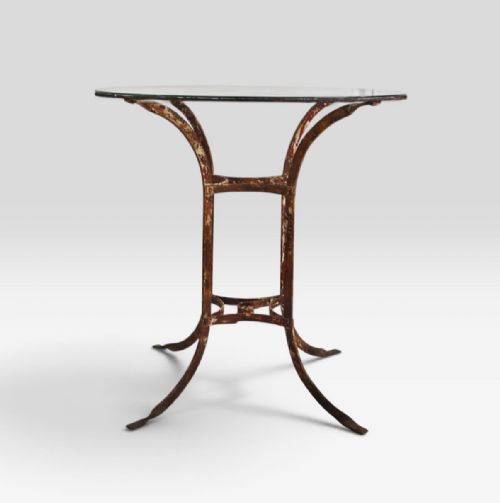
Surfaces frequently incorporated secondary materials like marble or glass for tabletops, paired with paint finishes or enamel to protect the metal. Artisans combined these elements using traditional joining techniques suited to heavy daily use.
French Iron Furniture Retail Price Guide 2026
Typical asking prices for french iron furniture among the pieces listed under this phrase on Sellingantiques today, from the lower quarter to the upper quarter. They describe what is for sale here now, not the wider market.
Several baker racks retain flour dust trapped in their scrollwork from French patisseries long since closed.
Distinguishing quality in metalwork
The distinction between ordinary and superior pieces rests upon the crispness of the casting, the complexity of the forged scrollwork, and the harmony of proportion. Finer examples display meticulous attention to detail in decorative motifs and structural joins.
The integration of original auxiliary materials, such as heavy serpentine marble tops or authentic painted surfaces, elevates a piece significantly. Superior items maintain their original structural balance without heavy modern intervention.
Corneau Freres Charleville·Dubois of Lyon
The French Iron Furniture Glossary
- Wrought iron
- Iron heated and hammered into shape by a blacksmith, producing durable and uniquely textured components. This material is commonly found in console tables and baker racks.
- Bistro set
- A small table accompanied by matching chairs designed for outdoor dining or compact spaces. These sets often combine cast iron bases with marble or metal tops.
- Baker rack
- A tall, open shelving unit traditionally utilised for cooling bread and pastries in French bakeries. They are constructed from robust iron frameworks.
- Arras
- A specific style of French garden furniture known for distinctive curved slats and robust construction. Pieces from this tradition are sought after by collectors.
French Iron Furniture: Frequently Asked Questions
How do I clean french iron furniture?
Cleaning requires gentle methods that preserve original painted surfaces, patinas, and vulnerable elements like marble tops. Soft brushing and mild soapy water usually suffice for removing surface dirt.
Harsh chemical abrasurs or power washing should be avoided to prevent damage to historic finishes and exposed metal substrates.
Can french iron furniture stay outside?
Many items were originally designed for outdoor garden use and tolerate exterior placement well. However, prolonged exposure to harsh weather can accelerate rust formation and degrade painted finishes.
Protecting pieces during winter months or storing them undercover helps maintain their structural integrity and surface appearance over time.
How do I date french iron furniture?
Dating relies on stylistic indicators, manufacturing techniques, and occasional foundry stamps or maker signatures. Victorian and nineteenth-century examples often feature heavier cast ornamentation and specific Gothic or Rococo revival motifs.
Later twentieth-century pieces incorporate simpler steel construction, cleaner lines, and influences from Art Nouveau or Art Deco periods.