

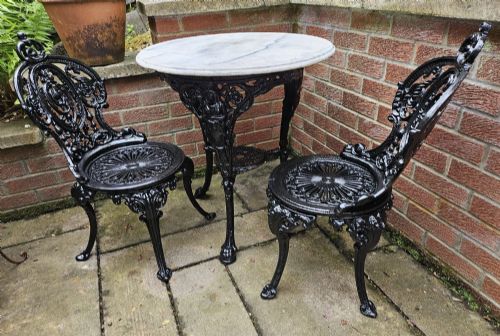


French Iron Bistro Set
These French iron bistro set pieces offer durable outdoor seating and tables shaped by decades of continental café culture.
French Iron Bistro Set
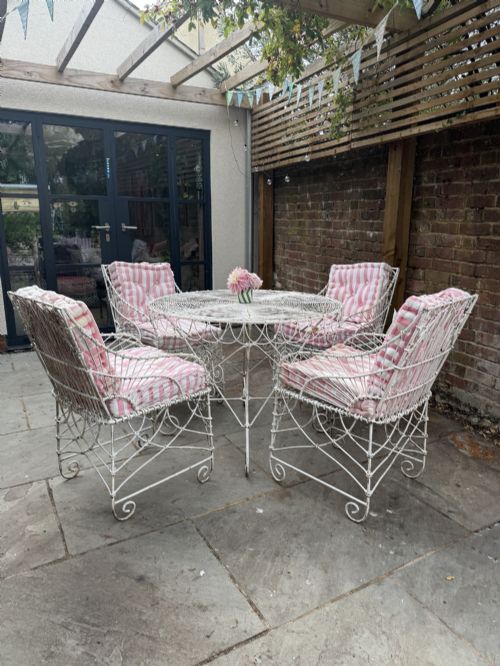
A French iron bistro set comprises small-scale tables paired with matching chairs designed for pavement dining or garden use. These assemblies commonly date from periods such as nineteen twenty and nineteen thirty, drawing on French country, Victorian wirework, and industrial aesthetics.
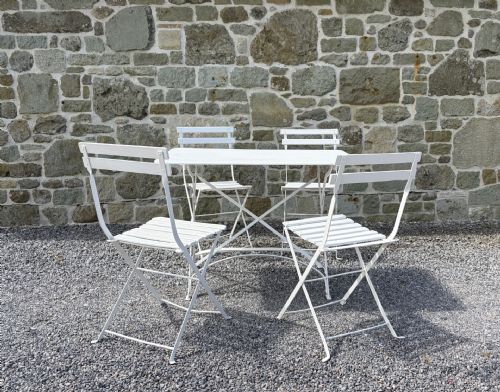
Buyers frequently encounter garden dining sets and folding chair combinations fashioned from iron, wirework, and cast elements. Originating primarily as practical commercial furniture, these groupings now serve domestic gardens and conservatories with compact utility.
How they were made
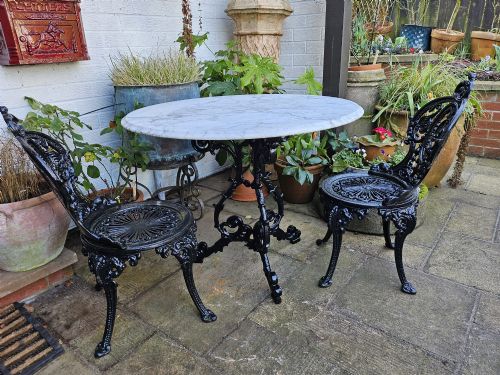
Maker workshops relied heavily on cast iron and wrought iron to construct durable frames that could withstand daily outdoor use. Many examples incorporate specialised surfaces, including heavy marble tops and zinc inserts set onto sturdy iron bases.
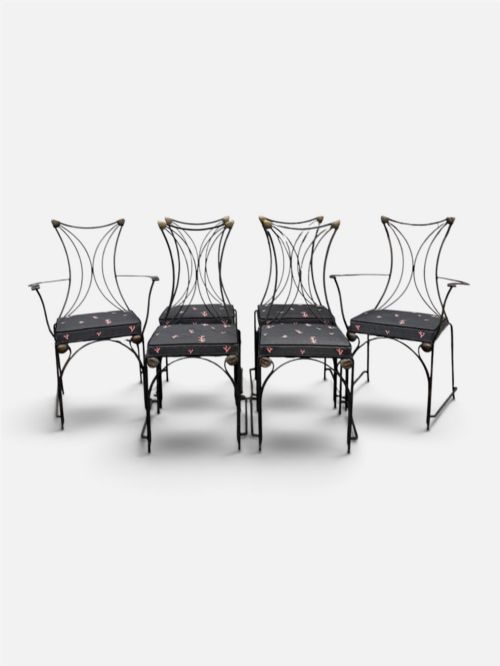
Structural components often utilised folding mechanisms for easy storage, while decorative variants featured brass shell details or intricate wirework construction. Wood elements also appeared on tabletops and seating slats alongside metal frameworks.
French Iron Bistro Set Retail Price Guide 2026
Typical asking prices for french iron bistro set among the pieces listed under this phrase on Sellingantiques today, from the lower quarter to the upper quarter. They describe what is for sale here now, not the wider market.
Listings feature pieces spanning from the nineteenth century through the nineteen fifties, incorporating materials such as marble, brass, zinc, and wirework.
What varies in quality
Quality rests on the integrity of the metalwork and the originality of fitted surfaces such as marble or zinc. Sets featuring detailed brass shell motifs or complex wirework display superior craftsmanship compared to basic utilitarian designs.
The durability of folding mechanisms and the balanced proportion of table heights relative to chairs dictate the overall standard of the piece. Surviving examples with intact period surfaces maintain stronger visual coherence.
The French Iron Bistro Set Glossary
- Cast iron
- Iron poured into a mould to create rigid structural or decorative components. It provides significant weight and stability to table bases.
- Wrought iron
- Iron beaten or bent into shape by hand, resulting in tough, malleable components. This material allowed makers to fashion slender curves for chairs and tables.
- Wirework
- Metal strands twisted and woven into openwork patterns for garden furniture. This technique defines specific Victorian and early twentieth-century designs.
- Zinc top
- A sheet of zinc fitted over a wooden table substrate to create a waterproof and wipeable surface. These tops were standard in busy continental cafes.
French Iron Bistro Set: Frequently Asked Questions
Where were these sets used originally?
These tables and chairs served patrons outside pavement cafes and within private gardens across France. Their compact proportions made them ideal for pavements where space remained at a premium.
Commercial establishments required furniture that could endure heavy daily wear and fold away easily at closing time. This practical origin explains the prevalence of robust iron frames and folding mechanisms.
How do I maintain an iron set outdoors?
Iron furniture benefits from periodic cleaning and protection against moisture to prevent rust accumulation. Storing folding sets indoors during harsh winter months preserves the metal framework.
Marble and zinc tabletops require specific care depending on their finish, avoiding harsh acids that might etch the surface. Regular inspections of joints and fixings ensure structural stability over years of use.
How can I tell the age of a set?
Dating relies on manufacturing methods, fastener types, and stylistic indicators such as Art Deco influences or Victorian wirework. Earlier pieces often exhibit hand-beaten wrought elements rather than standardised machine casting.
Materials provide further clues, as zinc and marble tops reflect specific periods of commercial and domestic interior design. Comparing the construction of folding hinges against known manufacturing eras narrows down the production window.
Are all sets weather resistant?
Most iron and wirework pieces tolerate outdoor conditions provided their protective surface coatings remain intact. Unpainted wrought iron or exposed steel elements require periodic treatment to resist corrosion from rain.
Tables featuring wood or specific stone inserts need more careful placement to avoid water damage. Covered terraces or conservatories offer ideal protection for sets with delicate surfaces.