

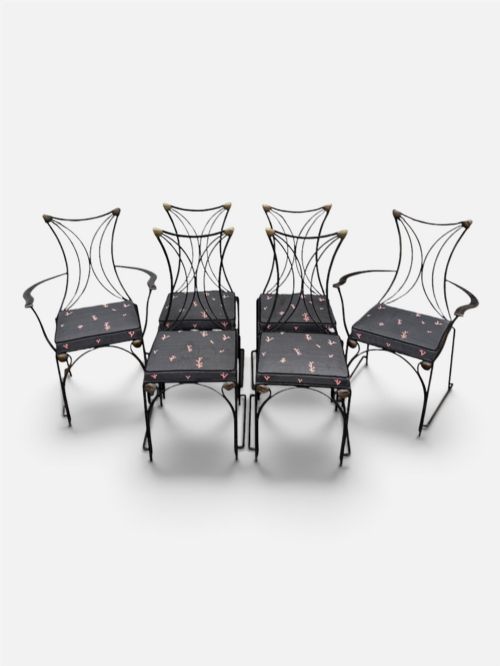


French Iron Bistro Chairs
French iron bistro chairs bring industrial charm and robust outdoor seating to terraces and gardens, offering enduring style.
French Iron Bistro Chairs
French iron bistro chairs are practical, sturdy seats designed for commercial and domestic dining spaces, frequently encountered alongside matching tables in garden and bistro sets. Buyers searching for french iron bistro chairs will find examples spanning from the late nineteenth century through to the mid-twentieth century, showcasing the evolution of outdoor and cafe seating.
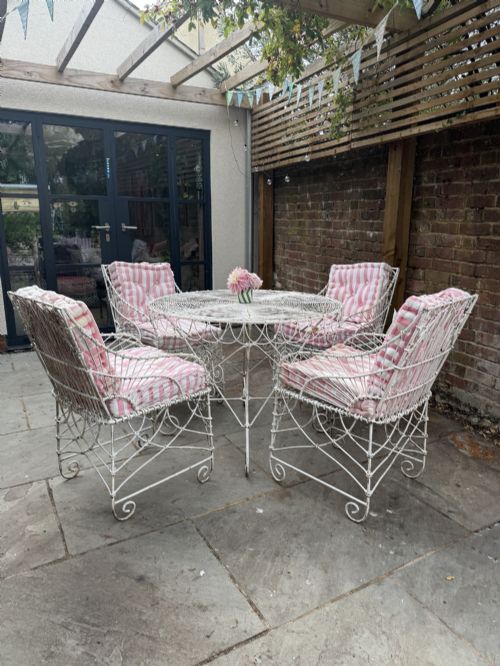
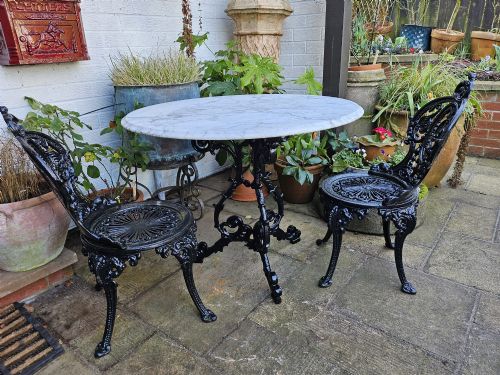
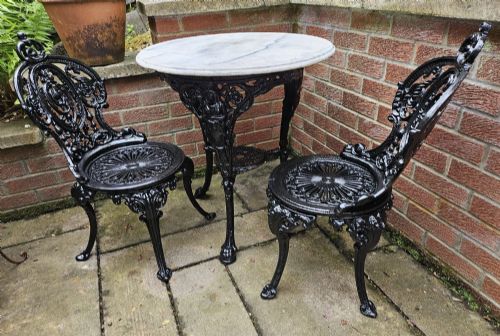
The selections on this page encompass various forms, including folding chairs, side chairs, and larger sets incorporating wood, brass, or marble elements. These pieces reflect distinct design influences ranging from Victorian wirework and Art Deco to French industrial and country styles.
How They Were Made
These chairs were constructed using durable metals such as cast iron and wrought iron, often combined with complementary materials like wood, brass detailing, or wirework. Blacksmiths and manufacturers utilised these robust materials to ensure the furniture could withstand regular daily use outdoors and in bustling cafes.
Production techniques varied from heavy cast components with decorative motifs to flexible wirework and utilitarian folding iron frames designed for easy storage. Artisans incorporated structural elements that balanced industrial strength with pleasing proportions.
French Iron Bistro Chairs Retail Price Guide 2026
Typical asking prices for french iron bistro chairs among the pieces listed under this phrase on Sellingantiques today, from the lower quarter to the upper quarter. They describe what is for sale here now, not the wider market.
Current listings span five decades, beginning with nineteenth-century wirework and extending through Art Deco to mid-century designs.
What Varies in Quality
Quality in these chairs rests upon the integrity of the metalwork, the complexity of the detailing such as shell motifs or decorative castings, and the survival of original patination. Pieces that retain their structural soundness without heavy pitting or clumsy repairs command greater appreciation.
The refinement of the silhouette and the harmony between the iron frame and secondary materials like wood or brass separate utilitarian seating from more ambitious decorative examples.
The French Iron Bistro Chairs Glossary
- Cast iron
- A strong, rigid alloy poured into moulds to create decorative components and sturdy table bases. It provides heavy stability for garden furniture.
- Wrought iron
- Iron beaten and worked by hand into specific shapes, offering resilient strength and flexible structural lines. This material is typical in folding and wirework designs.
- Art Deco
- A design style from the early twentieth century characterised by sleek geometric lines and stylised motifs. Pieces from this era often feature streamlined industrial elements.
- Wirework
- Metal strands intertwined to create lightweight, breathable mesh patterns for seats and tabletops. This technique defines Victorian garden furniture.
- Patina
- The surface appearance acquired through age, use, and exposure to the elements. Collectors value a natural, undisturbed finish over modern repainting.
French Iron Bistro Chairs: Frequently Asked Questions
Were these chairs meant for outdoor use?
Yes, these iron chairs were principally designed for pavement cafes, gardens, and terraces where weather resistance was essential. Their robust metal construction allowed them to remain outside through varying conditions.
Over decades of exposure, the metal develops a distinct surface character that many collectors prefer to preserve. They transition easily between modern garden patios and interior dining spaces.
How do I date a set of chairs?
Dating relies on observing manufacturing techniques, material combinations, and stylistic clues inherent in the design. Pieces from the nineteenth century often utilise wirework or heavy Victorian casting methods.
Later examples from the nineteen-twenties and thirties introduce industrial aesthetics and Art Deco influences. Examining construction joints and fasteners also helps determine the period of origin.
Are folding chairs less sturdy?
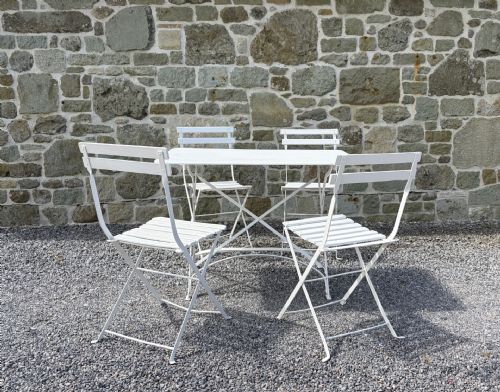
Folding iron chairs were engineered for commercial convenience, allowing cafes to clear pavements quickly at the end of the day. The hinge mechanisms were built with durable iron to endure constant movement.
While they fold for storage, a well-preserved vintage folding chair retains solid stability when locked open. Their lightweight nature made them practical for both indoor and outdoor hospitality.
Can I mix these with modern tables?
Mixing vintage iron chairs with contemporary tables creates a striking contrast between old industrial textures and modern design. The neutral tones of weathered iron pair well with stone, wood, and glass surfaces.
Their varied styling ensures they complement diverse interior and exterior decor schemes without looking out of place.