

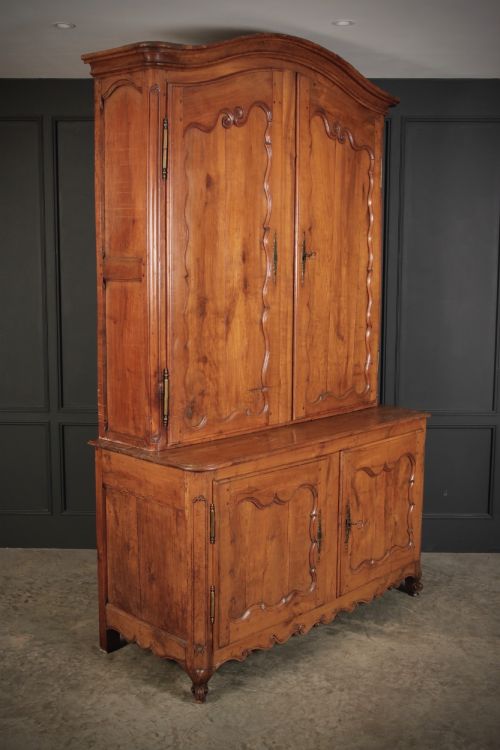


French Housekeeper Cabinet
A french housekeeper cabinet is a robust provincial storage piece built for rural homes, offering deep shelving and tall doors for daily utility.
French Housekeeper Cabinet
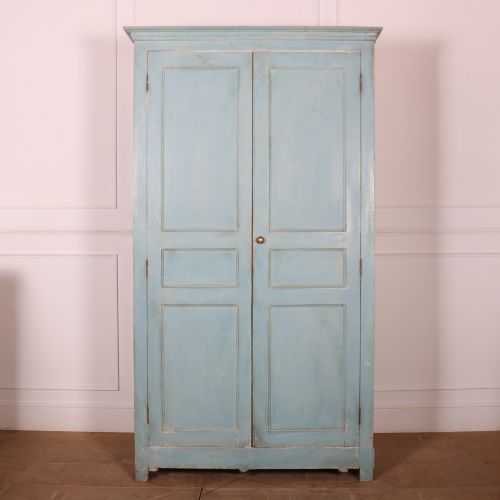
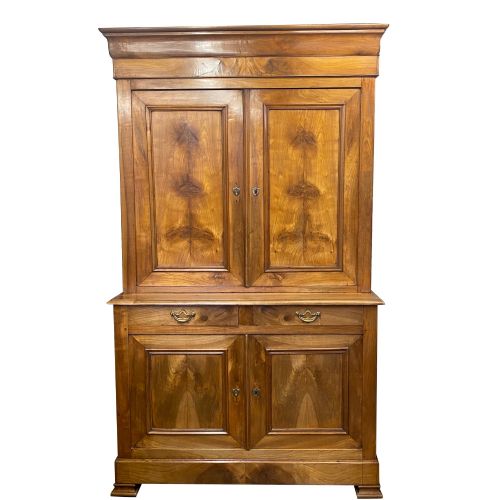
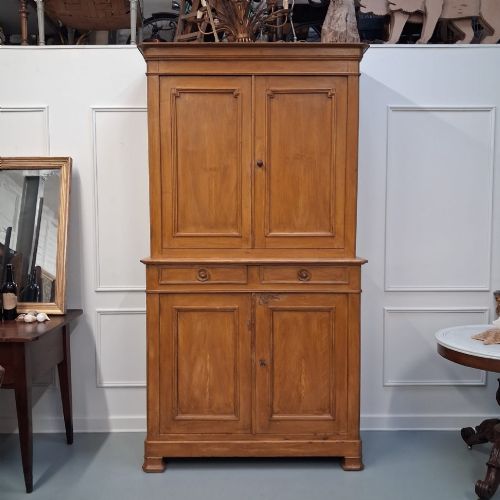
A french housekeeper cabinet is typically a tall storage unit designed for domestic provisions, linens, or kitchen goods in provincial households. These pieces appear most frequently in pine, oak, and cherry wood from the eighteenth and nineteenth centuries.
The layout generally includes two doors, sometimes split into a two-part construction for easier movement through rural dwellings. Buyers frequently encounter regional variations in provincial finishes, including painted surfaces and raw timber finishes.
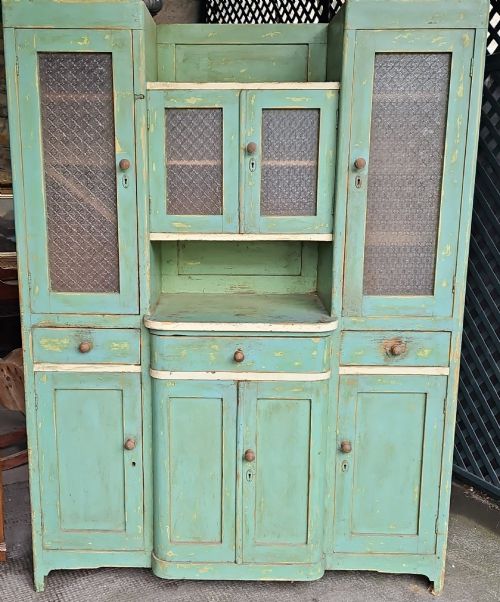
Forms span across food cupboards, linen presses, and general storage cabinets rooted in French provincial and country traditions. Each piece reflects the straightforward utility demanded by large rural households of the period.
How they were made
Construction relies heavily on solid timbers such as pine, oak, cherry, and chestnut, often assembled in two distinct vertical sections. Joinery focuses on practical durability rather than ostentatious display, utilising thick panels and sturdy pegging.
Hardware typically consists of iron and brass hinges, latches, and escutcheons secured directly to the heavy wooden doors. Many examples feature painted wood finishes, sometimes applied over older layers to refresh the surface in period kitchens.
French Housekeeper Cabinet Retail Price Guide 2026
Typical asking prices for french housekeeper cabinet among the pieces listed under this phrase on Sellingantiques today, from the lower quarter to the upper quarter. They describe what is for sale here now, not the wider market.
Many of these sturdy cupboards carry faint traces of old kitchen paint, surviving generations of rural family life without losing their charm.
What varies in quality
Quality rests in the choice of primary timber, with dense cherry or seasoned oak commanding greater substance than standard utility pine. The integrity of the original two-part construction and the thickness of the timber panels define the overall structural grade.
Surface treatments also distinguish pieces, from untouched painted finishes to well-maintained natural wood grains that show decades of domestic use. Better examples retain their original iron or brass hardware without excessive replacement.
The French Housekeeper Cabinet Glossary
- Two-part construction
- A method where a tall cabinet is built in upper and lower sections to facilitate transport and placement in homes. This approach was standard for heavy provincial storage units.
- Provincial
- Describing furniture made in the regions outside major metropolitan design centres, prioritizing local materials and practical utility. These items reflect the specific regional character of the countryside.
- Food cupboard
- A specialised storage piece featuring panelled or textured glass doors designed to store perishables and kitchen provisions. Ventilation holes or mesh panels were often integrated into the design.
- Linen press
- A tall cupboard traditionally used for storing folded textiles, sheets, and garments prior to the widespread use of fitted wardrobes. Internal shelving or sliding trays provide organised storage space.
- Textured glass
- Patterned or obscured glass panes fitted into cabinet doors to conceal contents while allowing light to pass through. This material appears on later regional storage cabinets.
French Housekeeper Cabinet: Frequently Asked Questions
What is a french housekeeper cabinet?
A french housekeeper cabinet is a traditional provincial storage unit designed for heavy domestic use in rural households.
These pieces typically provide tall shelving behind sturdy doors for organising provisions, linens, or kitchen equipment.
How were these cabinets used?
Housekeepers and rural families utilised these large cupboards to store food supplies, heavy kitchenware, and household textiles.
The deep interior shelving accommodated bulky items that required secure storage away from dust and pests.
Where should I place one?
These tall cupboards suit large kitchens, dining spaces, or hallways where their substantial height and depth can be accommodated safely.
They provide practical storage for modern dry goods, dinnerware, or linens while adding traditional provincial character to a room.
How do I identify the wood type?
Examination of the grain, weight, and colour helps distinguish between softwoods like pine and hardwoods such as oak or cherry.
Provincial makers utilised the timber most readily available in their region, resulting in distinct regional wood selections.