


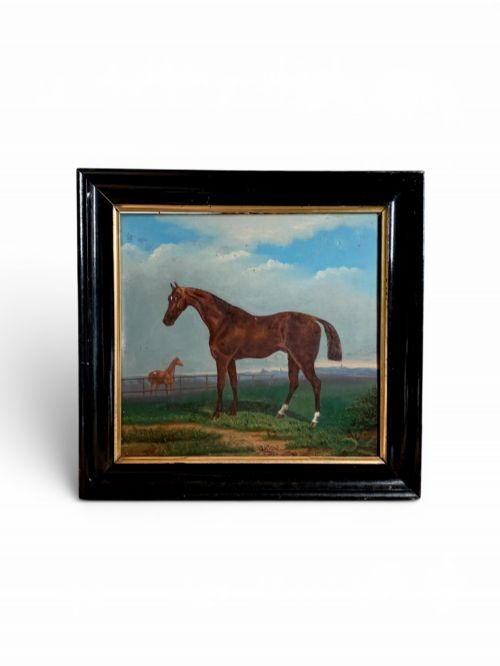


French Horse Painting
When you look for a french horse painting, you seek works capturing equestrian energy across centuries of French artistic tradition.
French Horse Painting
A french horse painting encompasses canvas works, watercolours, and panel scenes focusing on equines within French art history. These pieces range from nineteenth-century realism and Impressionist racecourse views to mid-century expressionist compositions.
The selection on this page centres primarily on nineteenth-century and early twentieth-century examples, capturing working animals, racing scenes, and military cavalry subjects. Artists utilise various formats, from detailed oil paintings to rapid watercolour sketches.
Works span different regions and stylistic movements, including French provincial landscapes and Parisian scenes. Buyers encounter depictions ranging from quiet pastoral moments to dynamic sporting events.
Materials and construction
Artists typically applied oil paint or watercolour onto prepared canvas, wood panel, board, or paper supports. Many works incorporate ink alongside watercolour to define structural lines in equine studies.
Framing often complements the period of the painting, using wood structures to protect the canvas or paper surface. Pigments reflect the palette choices of the nineteenth and twentieth centuries.
French Horse Painting Retail Price Guide 2026
Typical asking prices for french horse painting among the pieces listed under this phrase on Sellingantiques today, from the lower quarter to the upper quarter. They describe what is for sale here now, not the wider market.
Some horses on this page share space with bustling Paris street scenes, perhaps wondering where all the oats went.
Evaluating quality and execution
Quality rests upon the artist's ability to render the anatomy and movement of the horse convincingly. Superior examples demonstrate confident brushwork and accurate proportion within the surrounding landscape or interior.
Condition of the canvas, panel, or paper determines the integrity of the piece. Works retaining their original pigments and stable surfaces command greater appreciation among collectors.
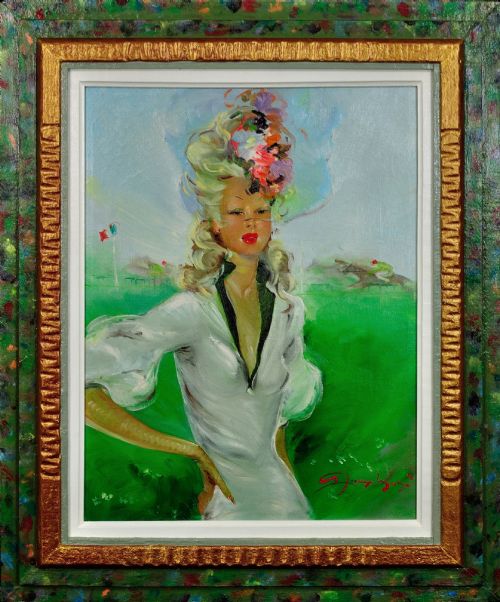
Jean-Gabriel Domergue·Paul Ehrenberg·Albert Ludovici Jnr·Raimond Louis Lecourt·Gabriel Dauchot·Léon Joseph Voirin·Eduard Leon Cortes·Guillaume Urban Régamey·Albert Ferdinand Le Dru·Donald Wood
The French Horse Painting Glossary
- Oil on canvas
- Pigments bound in a drying oil applied to stretched fabric. This medium allows for rich colour depth and textural blending.
- Watercolour on paper
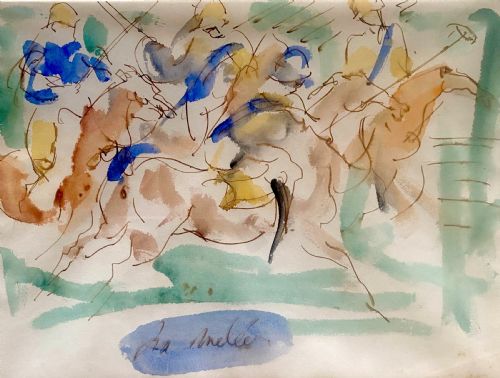
- A painting method where fine pigment particles are suspended in a water-based solution. It creates translucent washes often paired with ink outlines.
- Impressionism
- A nineteenth-century art movement characterised by relatively small, thin, yet visible brush strokes. It emphasises accurate depiction of light in its changing qualities.
- French Provincial
- A style originating from rural regions of France. It reflects local traditions and simpler, functional aesthetics distinct from Parisian academic art.
French Horse Painting: Frequently Asked Questions
What subjects appear in these paintings?
Paintings feature horses in various settings, including racecourses, military campaigns, and rural working environments.
Scenes often depict horses with carts, riders at the hunt, or cavalry engagements.
How do I identify the period?
Periods are determined through stylistic indicators, framing methods, and signatures recorded by the artist.
Nineteenth-century works often show academic realism or early impressionist techniques, while twentieth-century pieces lean towards expressionism.
What supports were used?
Artists painted on stretched canvas, wooden panels, paper, and card supports.
Watercolours predominantly utilise paper, whereas larger compositions appear on canvas.
How should I care for these works?
Keep paintings away from direct sunlight and fluctuating humidity to protect canvas and paper integrity.
Display watercolours behind glass with appropriate mounts to prevent contact with the surface.