




French Hall Benches
These French hall benches offer practical seating and distinct regional character for an entranceway.
French Hall Benches
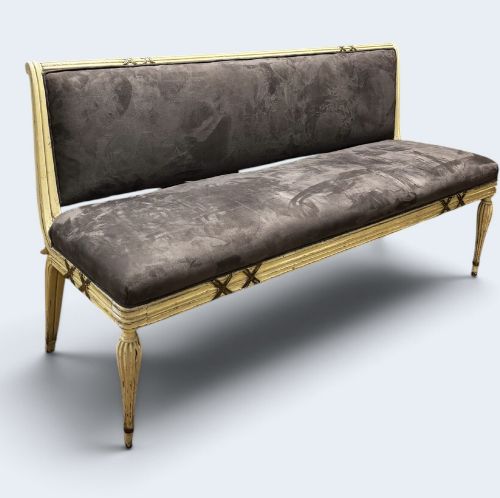
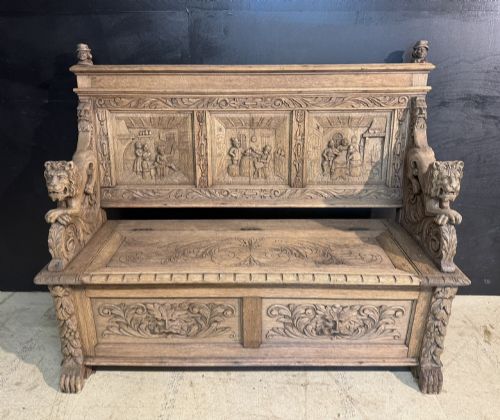
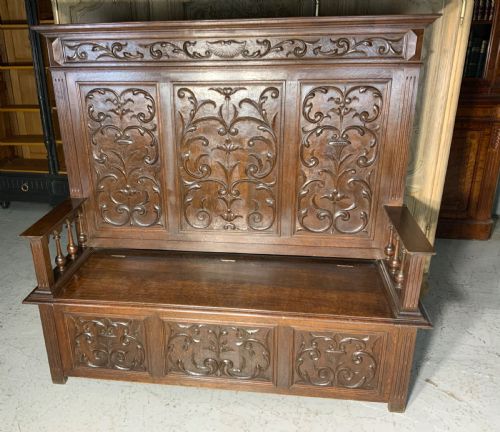
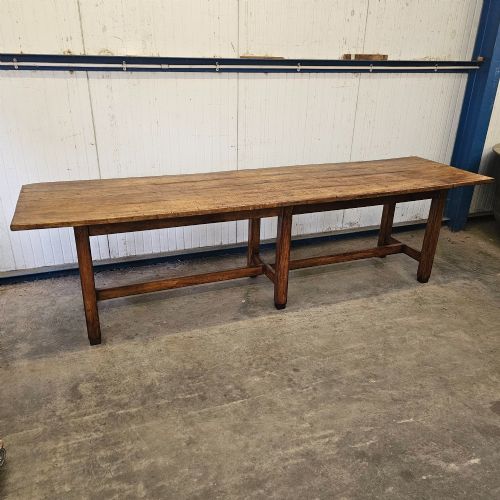
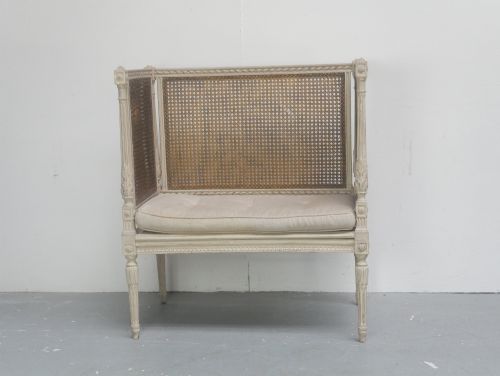
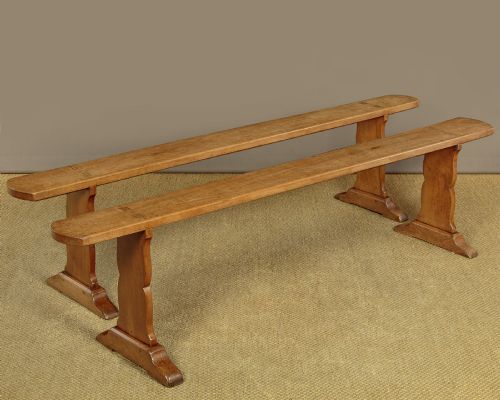
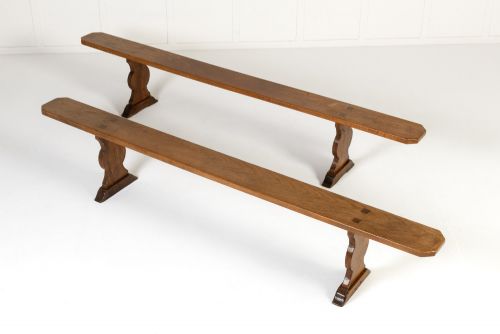
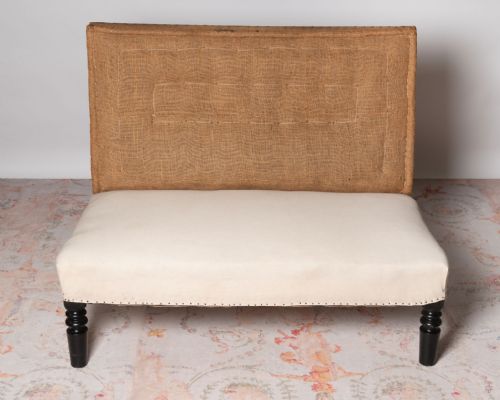
When you search for french hall benches, you encounter a selection of seating forms spanning the nineteenth and early twentieth centuries. These pieces appear in styles ranging from rustic country examples to more formal revival designs.
Many examples incorporate practical elements such as built-in storage seats or traditional rush seating. Regional French provincial and country aesthetics dominate the physical characteristics of these listings.
Construction and materials
Cabinetmakers utilised solid hardwoods including walnut, oak, cherrywood, elm, and beech to build sturdy frames capable of daily domestic use. Joinery techniques from the nineteenth and early twentieth centuries ensure structural endurance across these seating forms.
Surfaces receive various treatments, from natural waxed timber and bleached finishes to painted wood and parcel gilt. Upholstered elements integrate textiles such as leather, velvet, and fabric trim alongside woven rush seating.
French Hall Benches Retail Price Guide 2026
Typical asking prices for french hall benches among the pieces listed under this phrase on Sellingantiques today, from the lower quarter to the upper quarter. They describe what is for sale here now, not the wider market.
Several benches still hold the faint scent of old beeswax and country houses.
Judging quality and character
The distinction between standard examples and finer pieces lies in the crispness of carved wooden details and the integrity of the timber frame. Superior items display harmonious proportions and balanced integration of decorative styles such as Neoclassical or Louis XVI influences.
Original surface patination and the retention of period upholstery materials elevate the historical interest of a piece. Robust construction without excessive modern intervention preserves the authentic character of these provincial and country seats.
The French Hall Benches Glossary
- Banquette
- An upholstered bench or long seat, often featuring a cushioned back and arms. These pieces provide comfortable seating in hallways and reception rooms.
- Rush seated
- A seating surface woven from dried marsh grasses or rushes. This traditional technique appears frequently on country and provincial wooden chairs and benches.
- Window seat
- A long, narrow bench designed specifically to fit into a window recess. They typically feature low backs or open frames to preserve light and views.
- Settee
- A medium-sized upholstered seat with a back and arms, accommodating two or more people. They bridge the design gap between individual chairs and larger sofas.
- Bleached wood
- Timber treated with a whitening agent to lighten its natural tone. This finish creates a pale, scrubbed appearance popular in country house interiors.
French Hall Benches: Frequently Asked Questions
Where should I place a French hall bench?
These benches suit entrance halls, narrow corridors, and boot rooms where they provide a practical spot for putting on shoes. They also function well at the foot of a bed or beneath a window.
Their relatively shallow depths allow them to fit into transitional spaces without obstructing movement through the doorway.
How do I care for antique wooden benches?
Maintain the timber by applying a quality beeswax polish periodically to nourish the grain and protect the surface from moisture. Avoid placing wooden furniture near direct heat sources or in strong sunlight.
Regular dusting with a soft, dry cloth prevents particle buildup and keeps the antique finish intact.
What is the difference between a hall bench and a window seat?
Hall benches traditionally served entrance spaces and frequently incorporated enclosed storage compartments beneath the seat for boots and outdoor gear. They often display sturdier timber construction to withstand heavy daily use.
Window seats prioritise lighter frames and comfortable upholstery, designed for relaxation rather than heavy utility in a corridor.
How do I identify the period of a bench?
Examine the timber species, joinery methods, and decorative carving styles to narrow down the era of production. Nineteenth-century pieces often show hand-cut joinery marks and rich, aged patination on the wood.
Stylistic cues such as Neoclassical motifs or Belle Epoque upholstery details help date items closer to the turn of the twentieth century.