



French Grand Tour
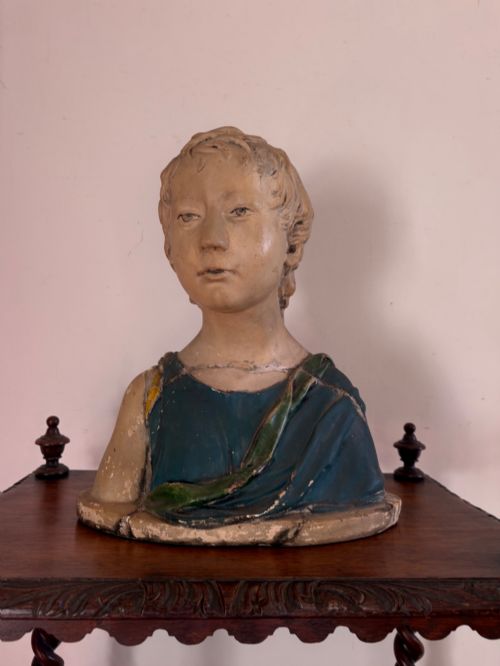
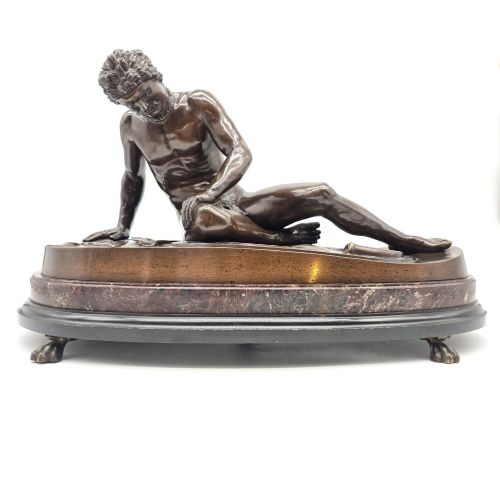
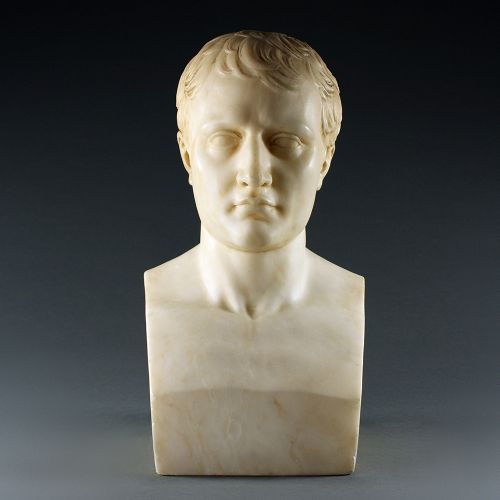
French grand tour bronzes and marbles bring classical antiquity and Renaissance sculpture into the nineteenth-century interior through reductions and architectural models.
French Grand Tour
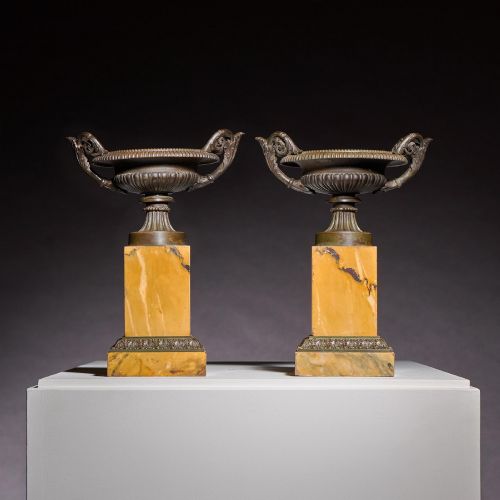
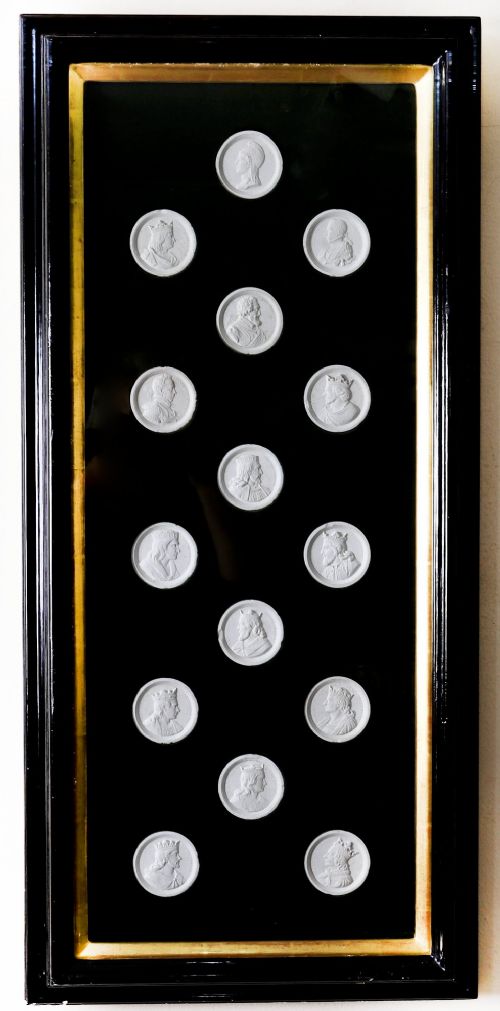
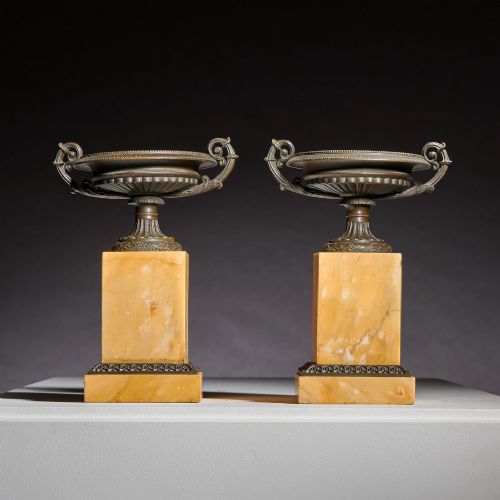
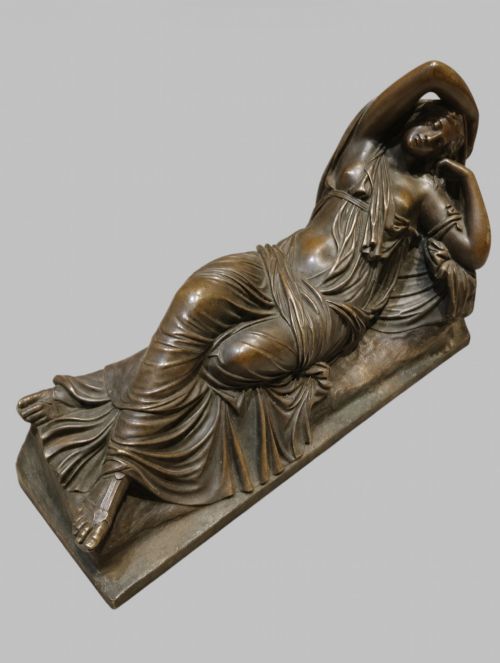
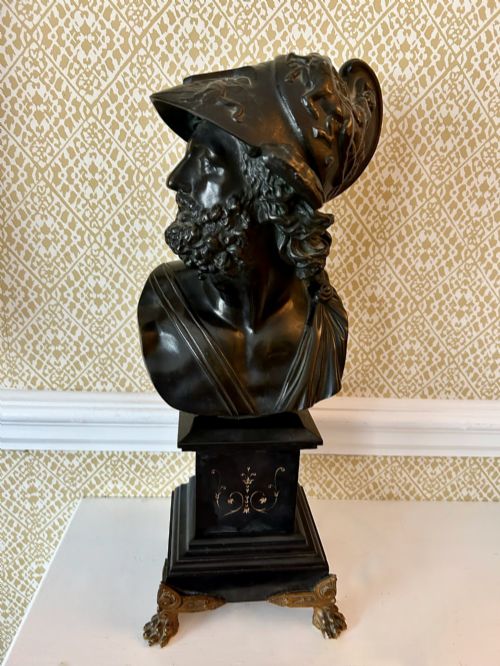
When you search for french grand tour, you encounter bronze sculptures, decorative urns, tazzas, and marble encriers that nineteenth-century travellers collected across Italy. These objects range from reductions of classical statues like the Venus de Milo and the Warwick Vase to architectural models such as the Vendome Column.
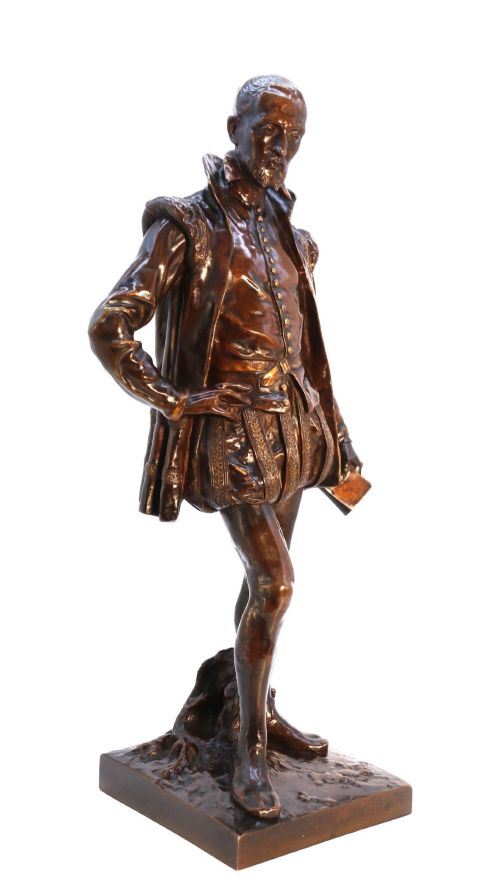
The pieces on this page span the nineteenth century, including works from the eighteen-seventies and eighteen-eighties alongside Victorian and Neoclassical examples. Forms vary from monumental sphinx sculptures on Carrara marble plinths to miniature bronze figures and pairs of classical candlesticks.
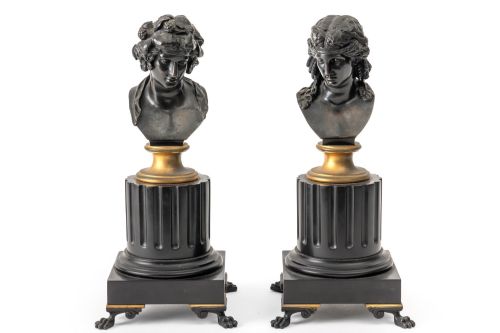
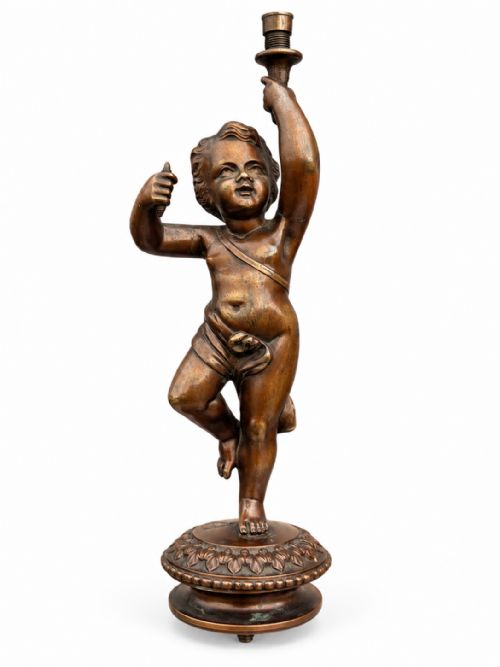
Makers and foundries such as Barbedienne reproduced canonical antiquities for a market that prized classical learning and tasteful display. Alongside figurative bronzes of figures like Dionysus and Ajax, you find utility pieces including inkwells, table lamps, and crystal centrepieces with gilt bronze detailing.
Materials and Technique
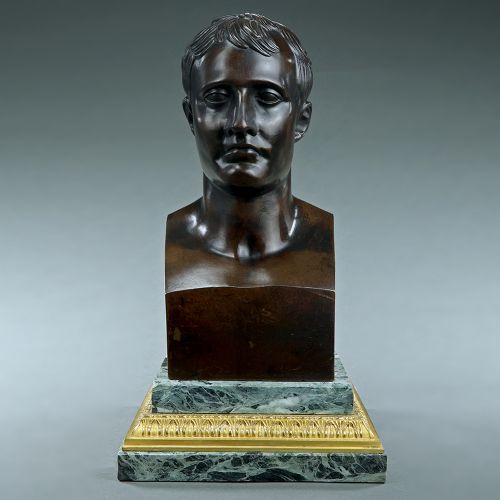
Foundries utilised lost-wax and sand casting methods to reproduce the surface textures of classical sculpture in bronze. Artisans then applied patinated finishes or gilding to create contrast between the metallic figures and their stone mounts.
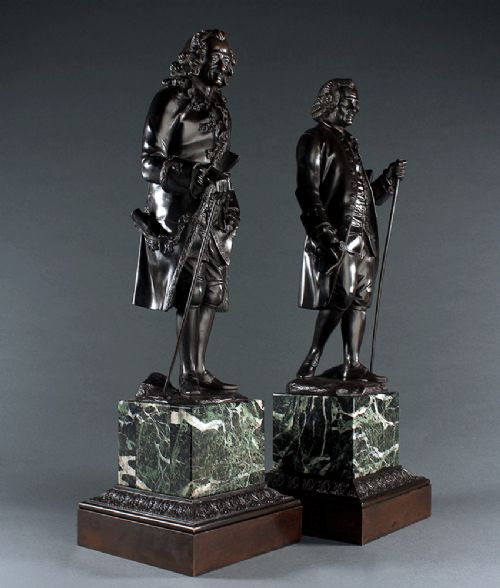
Bases and vessels incorporate contrasting stones such as Siena marble, green marble, Carrara marble, and slate. These mineral plinths and tazza bodies provide weight and structural contrast to the cast metal elements.
French Grand Tour Retail Price Guide 2026
Typical asking prices for french grand tour among the pieces listed under this phrase on Sellingantiques today, from the lower quarter to the upper quarter. They describe what is for sale here now, not the wider market.
Listings feature nineteen-century periods alongside materials including bronze, marble, ormolu, Siena marble, and slate in forms ranging from sculptures to decorative urns.
Factors of Quality
Quality rests in the crispness of the cast and the sensitivity of the chasing work after the metal leaves the mould. Superior reductions retain the anatomical definition and facial expression of the antique prototype without blurring details in the hair or drapery.
The choice and execution of the mounting materials also distinguish the work, from the depth of colour in a Siena marble base to the precision of the ormolu and gilt bronze mounts. Maker stamps and foundry marks indicate workshop standards.
Ferdinand Barbedienne·Émile Louis Picault·Jean-Baptiste Carpeaux·Charles Crozatier·Jean Jules Salmson
The French Grand Tour Glossary
- Reduction
- A scale copy of a larger sculpture, often produced in bronze from ancient or Renaissance originals. These reductions allowed collectors to own portable versions of famous public monuments.
- Ormolu
- Finely ground high-carat gold applied to a bronze base through a mercury amalgamation process. This technique gives decorative elements a warm, enduring lustre.
- Patinated Bronze
- Metal treated with chemical solutions to produce a controlled surface colour ranging from dark brown to green. This finish protects the bronze while highlighting modelled details.
- Encrier
- A portable writing desk set or inkwell housing receptacles for ink and sand. Grand tour examples often combine patinated bronze figures with marble plinths.
French Grand Tour: Frequently Asked Questions
What is a french grand tour piece?
These objects are nineteenth-century bronze sculptures, urns, and architectural models purchased by travellers visiting classical sites in Italy and France.
Foundries produced them as portable works of art that captured the aesthetic of antique sculpture for European homes.
How were these objects used?
Collectors displayed figurative bronzes and decorative vases on mantelpieces, library tables, and cabinets as symbols of classical education and refined taste.
Some pieces, such as tazzas, encriers, and candlesticks, combined decorative display with practical functions for the writing desk or dining table.
How do I care for bronze and marble?
Dust bronze surfaces gently with a soft, dry cloth and avoid chemical polishes that can strip the original patina. Keep marble bases free from moisture and acidic substances to protect the polished stone.
Stable indoor humidity prevents damage to both the cast metal and the mineral mounts.
How do I identify the subject of a sculpture?
Many figures reproduce known classical or mythological works, such as the Borghese Gladiator, the Marly Horses, or figures after Giambologna and Clodion. Inscriptions, foundry stamps, or comparative iconography often reveal the antique source.
Subjects typically draw from Greek and Roman mythology, ancient history, or Renaissance masterpieces.