


French Glass Box
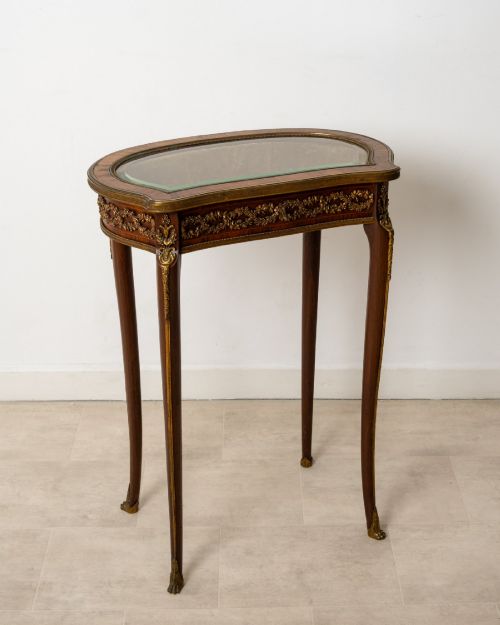
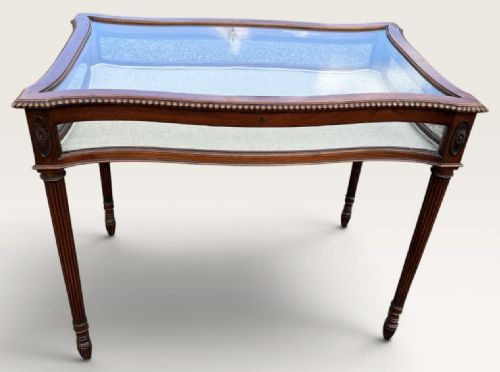
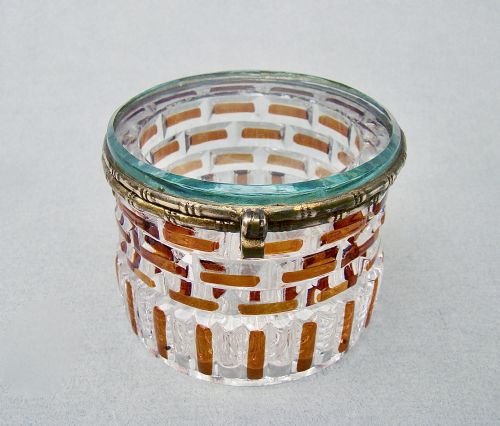
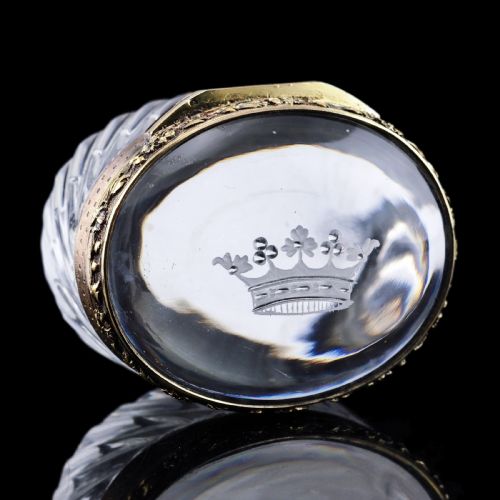
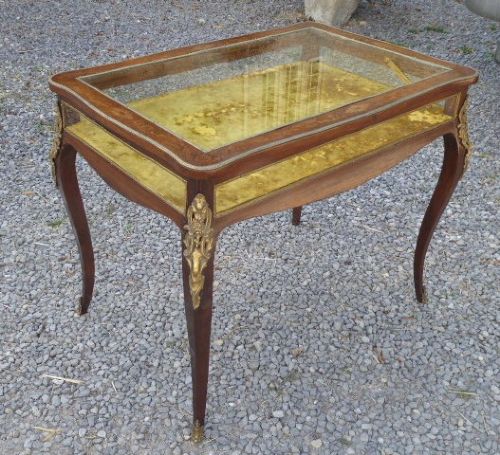
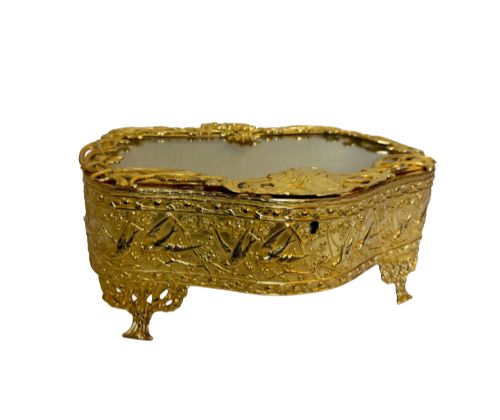
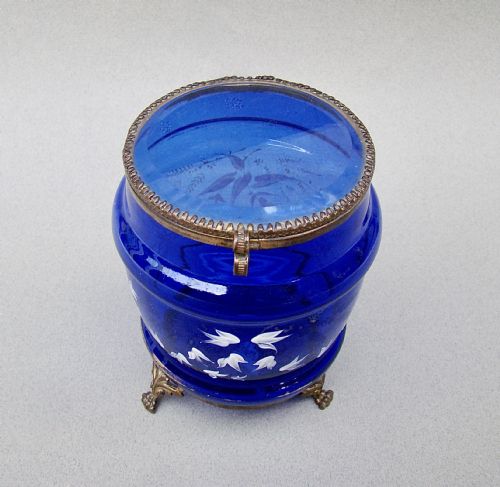
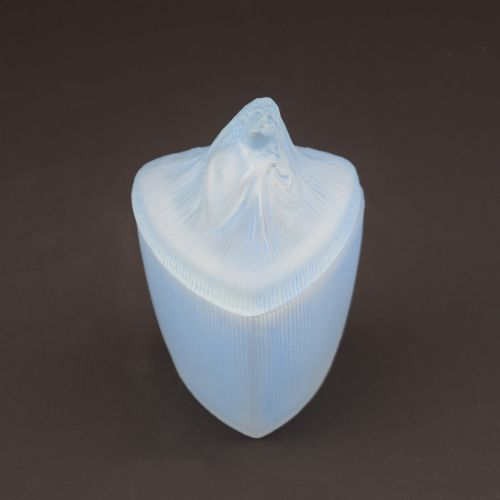
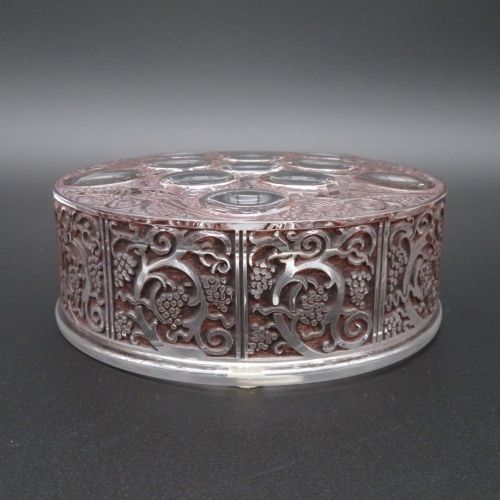
These pieces are french glass box examples, combining metal mounts and fitted interiors to hold small valuables.
French Glass Box
A french glass box encompasses items designed for personal adornment and interior display, ranging from small trinket containers to substantial freestanding bijouterie tables. Buyers search for these objects to introduce period elegance and practical storage into domestic spaces.
The pieces appearing on this page span the nineteenth and early twentieth centuries, reflecting diverse aesthetic movements such as Napoleon III, Art Nouveau, and Art Deco. Trinket boxes, jewellery containers, and display tables form the core of the selection.
Origins trace primarily to French workshops and factories utilising high-grade materials, with many examples featuring heavy cast mounts and fitted glass bodies. Smaller dressing table jars sit alongside larger vitrine display pieces designed to showcase collections.
Materials and Techniques
Construction relies heavily on transparent, coloured, or crystal glass paired with structural frames of brass, ormolu, and silver gilt. Wood timbers such as mahogany, kingwood, and rosewood frequently provide the foundation for larger display tables and cabinet pieces.
Decorative elements involve intricate enamel work, marquetry inlay, and cast bronze mounts secured around moulded or cut glass vessels. Interiors are typically lined with velvet or fabric to cushion jewellery and small keepsakes.
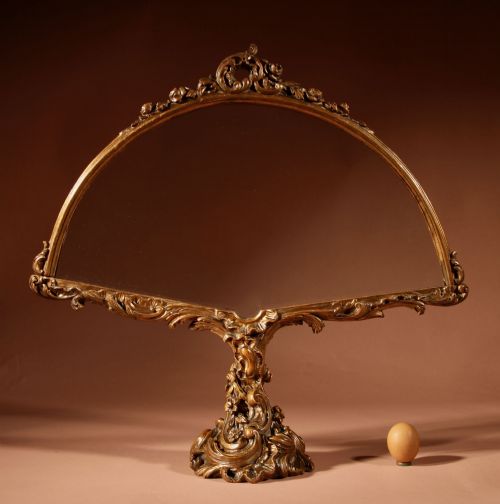
Several glass boxes double as miniature display tables, proving that even a trinket container appreciates a set of legs.
Factors Determining Quality
Quality rests upon the precision of the metal mounts, the clarity and weight of the glass, and the integration of the internal fabric lining. Heavier ormolu castings and finely executed enamel detailing elevate an object above standard production pieces.
The sophistication of the timber work and the crispness of any marquetry or gilt finishing indicate the skill level of the maker. Pieces retaining original glass panels and intact fabric linings represent superior examples of the genre.
Rene Lalique·Baccarat·Daum France
The French Glass Box Glossary
- Ormolu
- Gilded bronze used widely for mounts, feet, and decorative hardware on nineteenth-century furniture and decorative containers. This technique provides a rich metallic finish that mimics solid gold.
- Bijouterie Table
- A glazed display table with a glass top and sides designed specifically for exhibiting small valuables and curiosities. These freestanding pieces often feature hinged lids and velvet-lined interiors.
- Pâte de Verre
- A glass-casting method involving a powdered glass paste fused in a kiln to produce textured, coloured objects. The technique yields rich tonal gradations and tactile surfaces.
- Vitrine
- A glass-fronted or glass-sided cabinet and display enclosure used to protect and exhibit objects. The form ranges from small table-top boxes to large freestanding furniture pieces.
- Tantalus
- A locking beverage container holding decanters visible behind a frame of wood and metal mounts. The design secures the contents while displaying the glass bottles within.
French Glass Box: Frequently Asked Questions
What is a french glass box used for?
These items served historically as receptacles for jewellery, powder, trinkets, and small personal accessories on dressing tables and mantelpieces.
Today they function similarly as decorative containers or as small display cases for collections of curiosities.
How do I care for velvet-lined interiors?
Velvet linings require gentle brushing with a soft tool to remove dust and should be kept away from direct sunlight to prevent fading.
Avoiding moisture protects the underlying wood and metal framework from deterioration.
How can I distinguish Art Nouveau from Art Deco styles?
Art Nouveau pieces feature flowing, organic lines inspired by natural forms such as plants, flowers, and undulating curves.
Art Deco designs favour geometric patterns, symmetry, and stylised motifs typical of the interwar period.
Are the glass panels usually original?
Many surviving examples retain their original bevelled or moulded glass panels, identifiable by minor surface wear consistent with age.
Replacements typically show cleaner edges and a lack of historical patina compared to the surrounding metal mounts.