

French Gilt Metal Light
A french gilt metal light brings warmth and architectural weight to a room through cast metal and glass.
French Gilt Metal Light
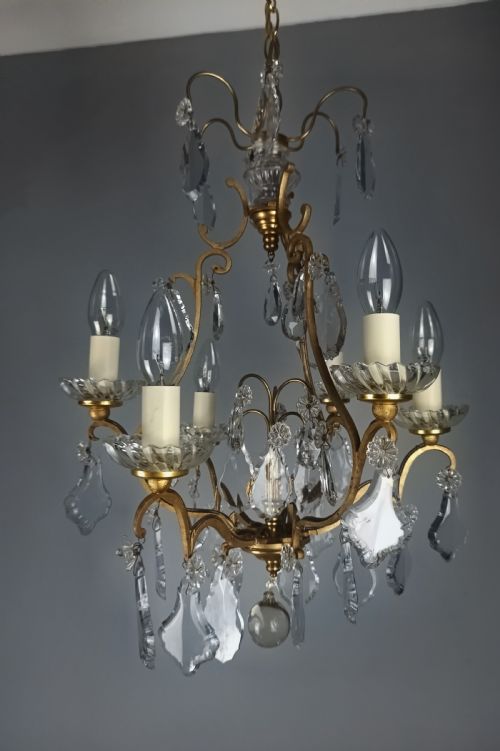
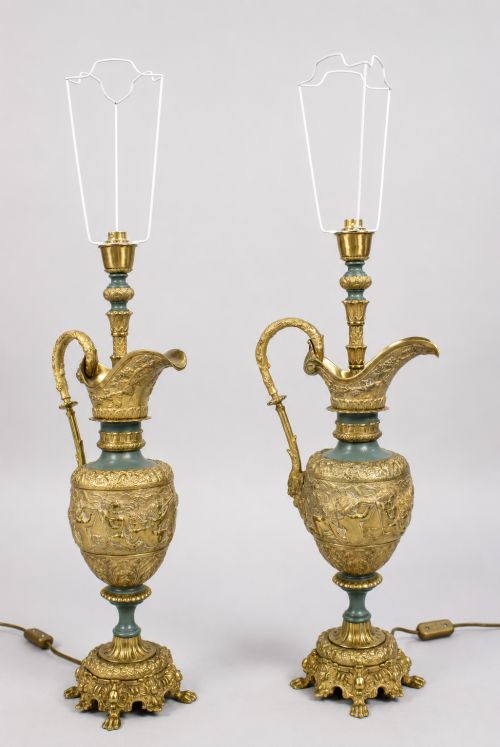
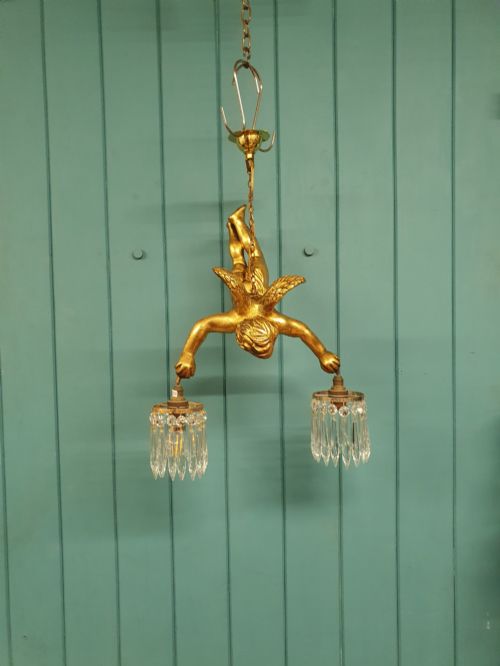
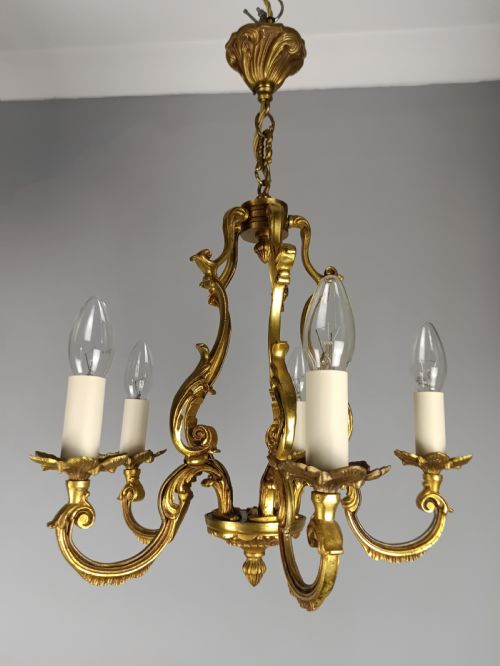
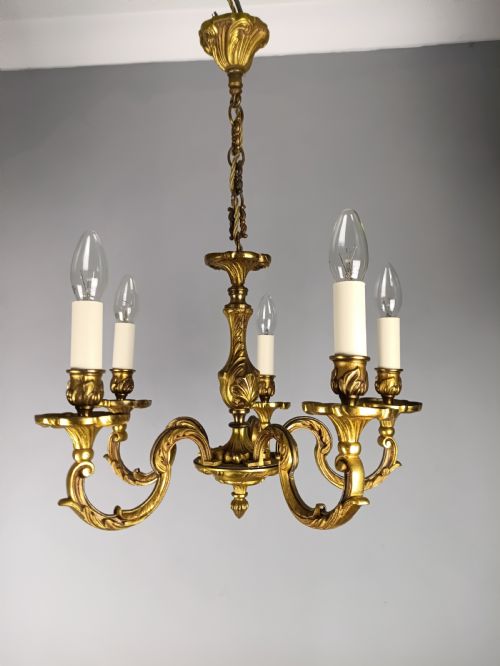
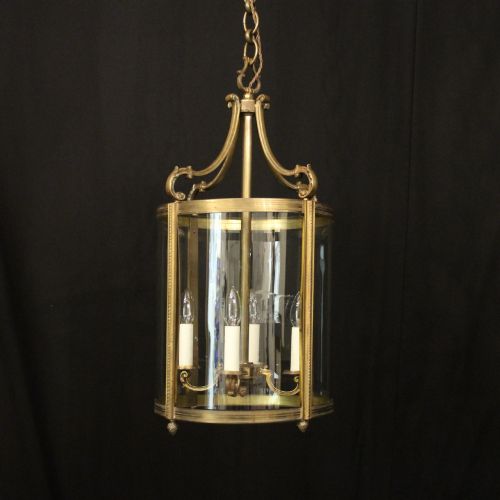
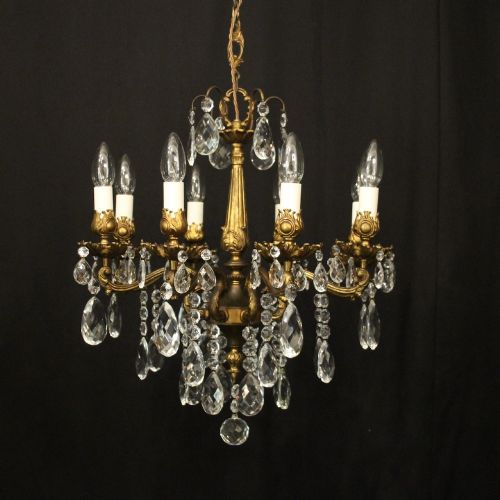
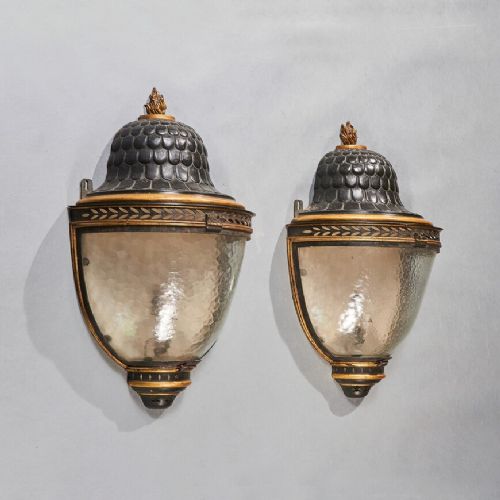
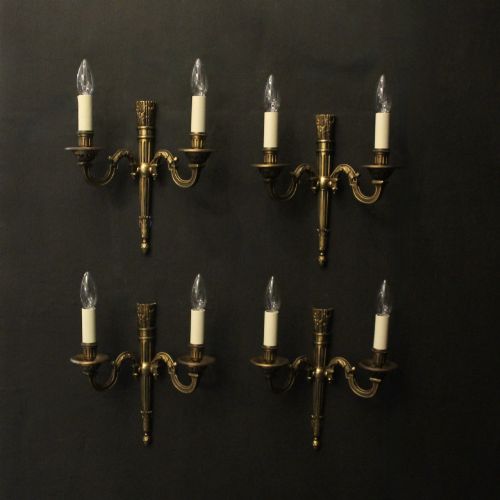
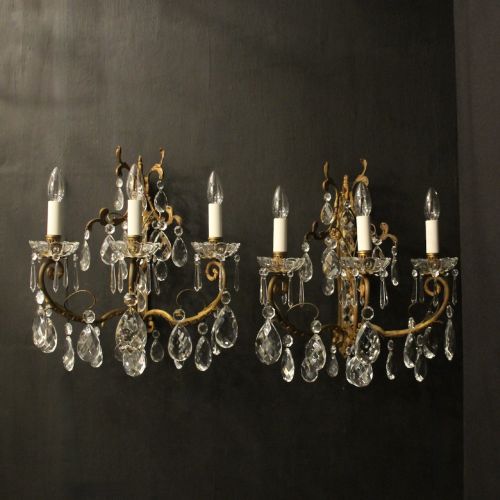
A french gilt metal light encompasses chandeliers, wall lights, table lamps, sconces, and candelabra originating primarily from the nineteenth and early twentieth centuries. These fixtures often reflect historical design movements such as Rococo, Empire, and Louis XVI, incorporating ornate motifs like cherubs, floral elements, and scrolling arms.
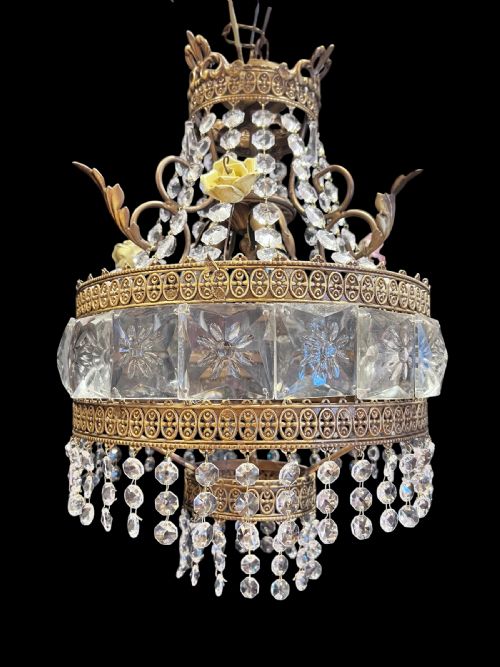
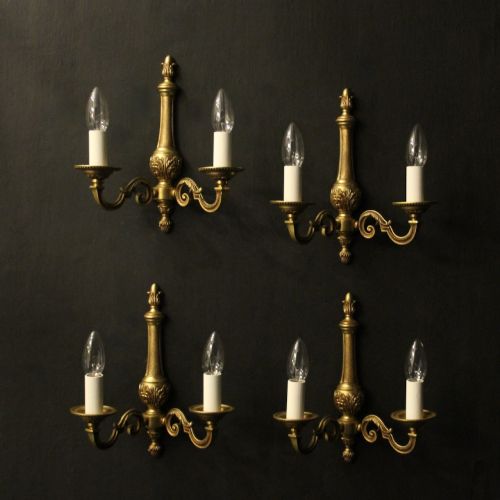
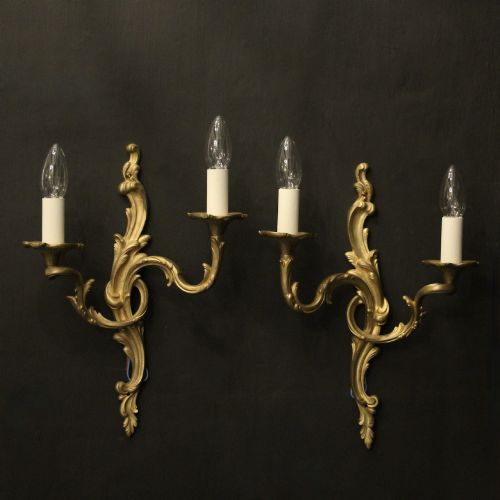
The version most commonly met on this page is the multi-light chandelier or matching pair of wall lights dating from the nineteen-twenties and nineteen-thirties. These pieces frequently feature glass or crystal drops suspended from gilt bronze, brass, or spelter frameworks.
Originating predominantly from French workshops, these items also include Italian Florentine variations featuring carved or gilded leaves and porcelain details. Buyers seek them to provide functional illumination while serving as sculptural centrepieces within domestic interiors.
Materials and Construction Techniques
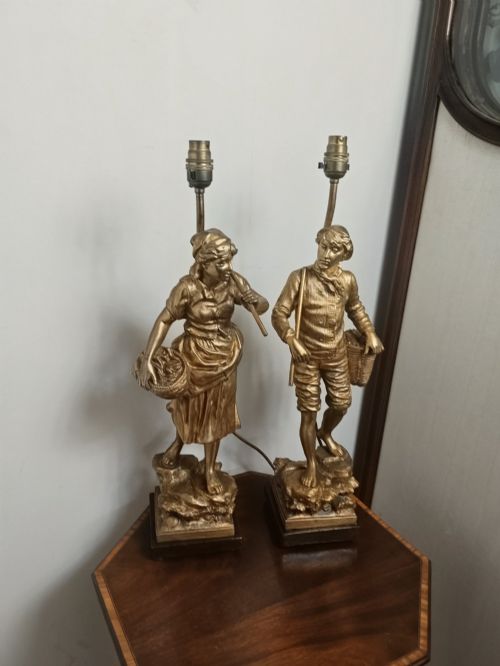
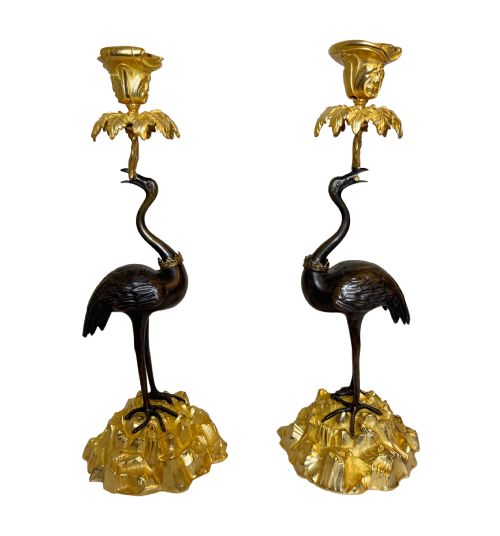
The fabrication of these fixtures relies heavily on metal casting techniques using bronze, brass, spelter, and white metal, which are then gilded, plated, or painted with tolewear finishes. Gilt bronze and ormolu pieces display crisp surface detailing achieved through mercury gilding or electroplating.
Glass and crystal components, including spikes, teardrops, and beads, are integrated to refract light from multiple bulbs or candles. Structural elements often combine hand-formed cage frames with threaded rods and nuts to secure the arms, coronets, and central stems.
Materials recorded across items include crystal, porcelain, marble, and tolewear alongside gilt bronze and brass.
Factors Distinguishing Quality
The integrity of the original surface gilding and the quality of the glass or crystal drops dictate the visual depth of the fixture. Matching components across pairs and sets, alongside substantial gauge metal frames rather than lightweight pressed sheet, define the higher tier of these objects.
E Rousseau·Maison Baguès
The French Gilt Metal Light Glossary
- Ormolu
- Finely ground high-carat gold applied to a bronze base metal through a mercury amalgamation process or modern electroplating. This technique imparts a durable, warm metallic lustre characteristic of fine nineteenth-century furnishings.
- Spelter
- A zinc alloy frequently utilised as a cost-effective alternative to bronze for figural and decorative castings. It accepts gilt and painted finishes well, though it is softer and lighter than bronze.
- Tolewear
- Painted or lacquered sheet metal, often decorated with floral motifs or vibrant colours to mimic porcelain or natural foliage. It appears frequently on mid-period chandelier bungs and wall light backplates.
- Candelabra
- A branched candlestick holder designed to support multiple tapers simultaneously. In antique lighting forms, these are sometimes converted to electrical operation while retaining their original form.
- Coronet chandelier
- A lighting fixture featuring a crown-shaped upper ring from which crystal strands or metal chains suspend downward. This configuration creates a distinct cage-like silhouette associated with classical French interior design.
French Gilt Metal Light: Frequently Asked Questions
How do I clean an antique gilt metal light?
Dust the metal gently with a soft, dry brush to avoid disturbing fragile surface gilding or patination. Avoid harsh chemical cleaners that strip the gold finish.
Crystal and glass drops can be removed and washed in warm soapy water before drying thoroughly and re-hanging. Take care around electrical components during any maintenance.
How can I tell the difference between bronze and spelter?
Bronze possesses a heavier physical weight and a harder surface that resists scratching, showing a warm golden or reddish undertone beneath worn spots. Spelter is noticeably lighter and softer, often revealing a silvery-grey metal beneath the gilt surface.
Magnification helps reveal the casting seams and crispness of detail that distinguish a bronze casting from a softer spelter mould.
What rooms suit a French chandelier best?
Living rooms, dining rooms, and hallway entrances provide the vertical clearance and visual space needed to showcase large multi-light chandeliers and lanterns. The reflective qualities of crystal and gilt metal amplify natural light in darker spaces.
Pairing matching wall sconces with a central chandelier creates a balanced lighting scheme across a traditional interior.