



French Gilt Metal Lamp
A french gilt metal lamp brings warmth and ornate nineteenth-century style to an interior, combining gilded surfaces with classical forms.
French Gilt Metal Lamp
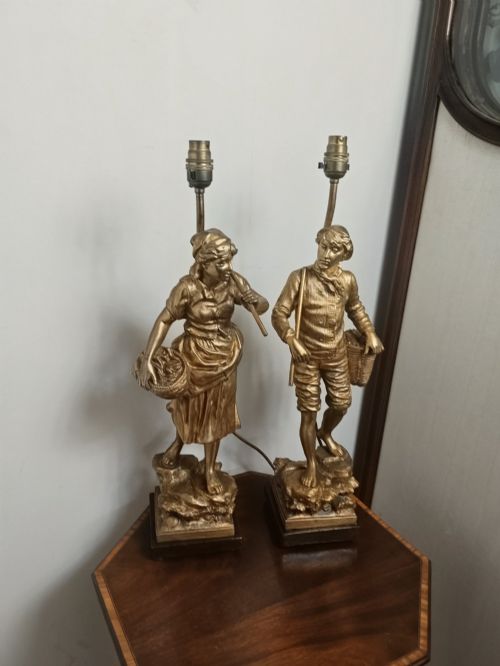
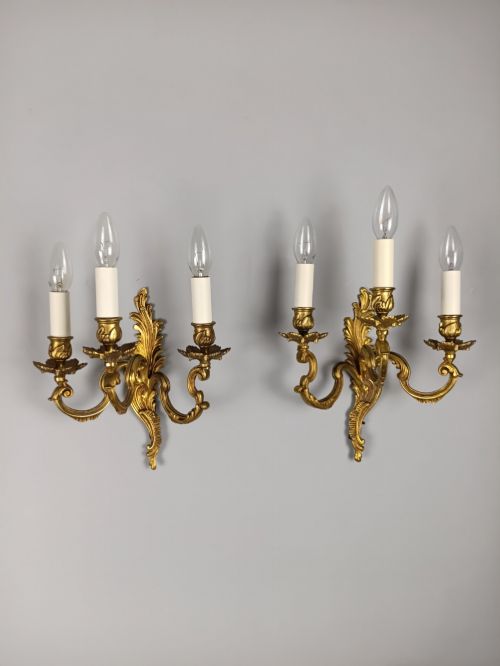
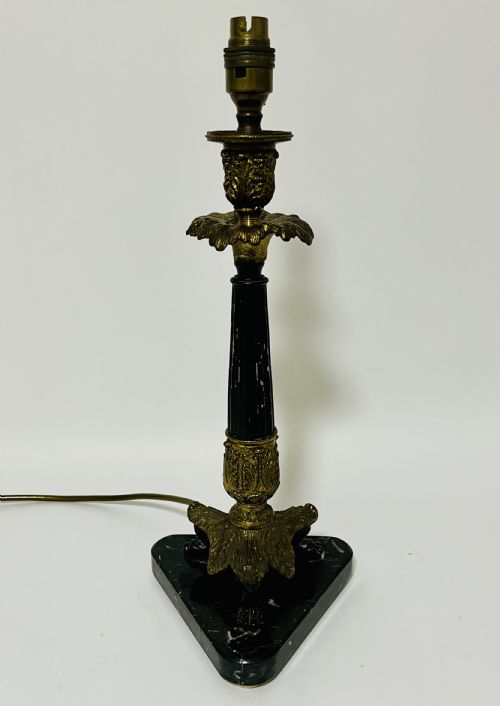
A french gilt metal lamp typically takes the form of a table lamp, floor standing standard lamp, or converted candelabra originating from the nineteenth and early twentieth centuries. These pieces reflect period tastes ranging from Victorian and Edwardian aesthetics to ornate revival styles.
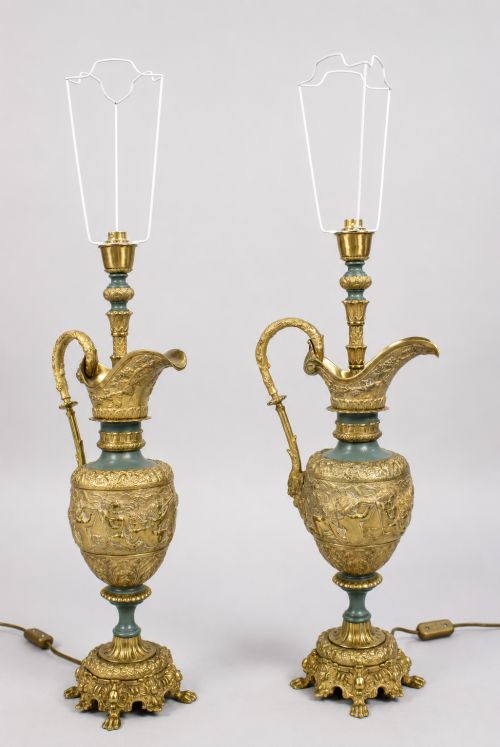
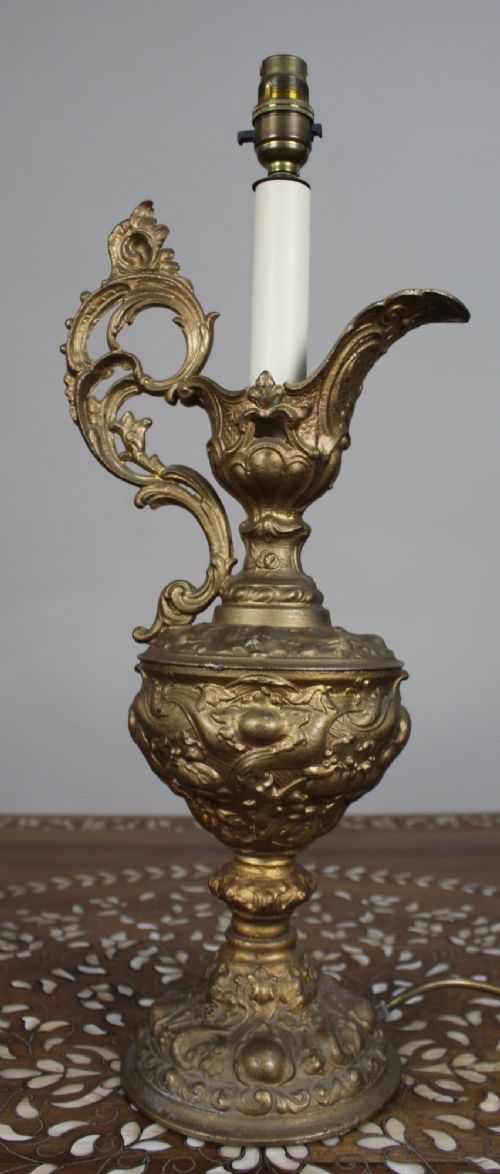
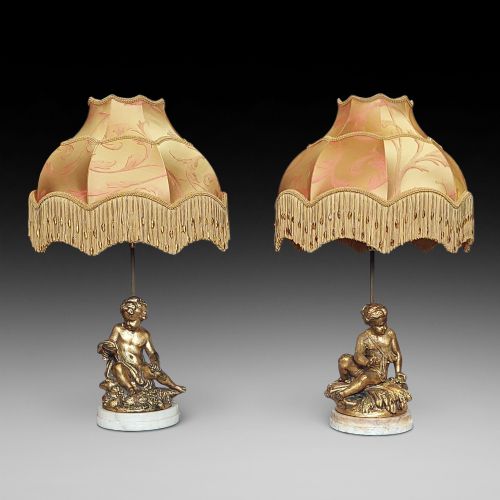
Table lamps frequently incorporate materials such as marble or onyx bases alongside cast metal figures like cherubs or classical ewers. Floor lamps and standard lamps often feature adjustable or rise and fall mechanisms for functional illumination.
Craftsmanship and Detail
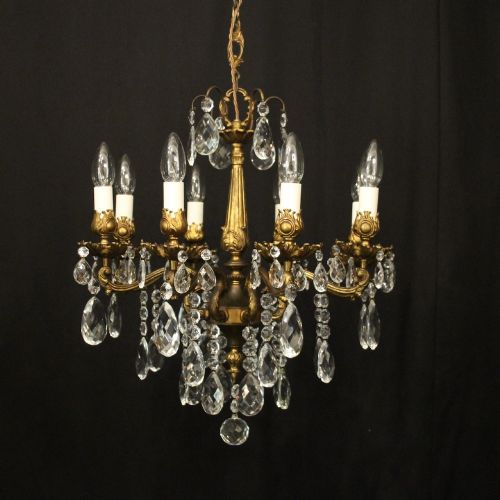
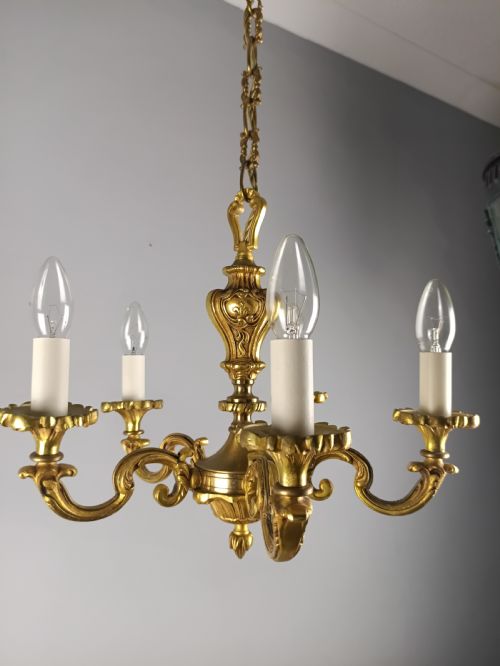
Proportion and structural integrity define the better pieces, particularly in standard lamps with mechanical adjustments or multi-branch chandeliers. Integrated components like crystal drops and hand-painted tole elements reveal greater artisan investment.
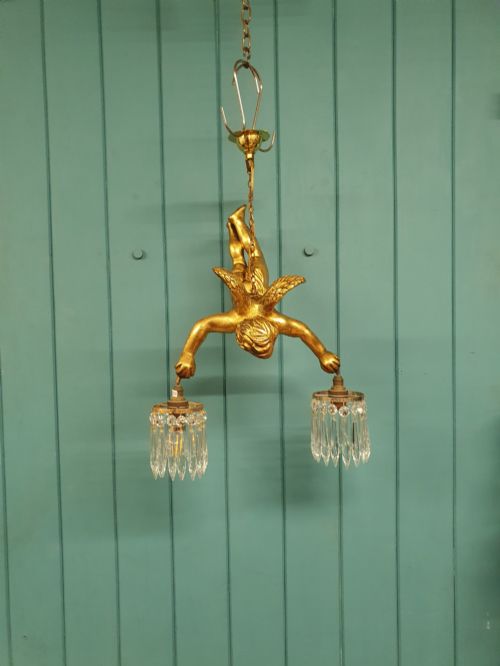
Flying cherubs cast in metal frequently find themselves holding aloft glass crystal spikes to illuminate historic French drawing rooms.
E Rousseau
The French Gilt Metal Lamp Glossary
- Ormolu
- A technique of applying finely ground high-carat gold to a bronze base, producing a rich golden finish found on premium nineteenth-century lighting.
- Toleware
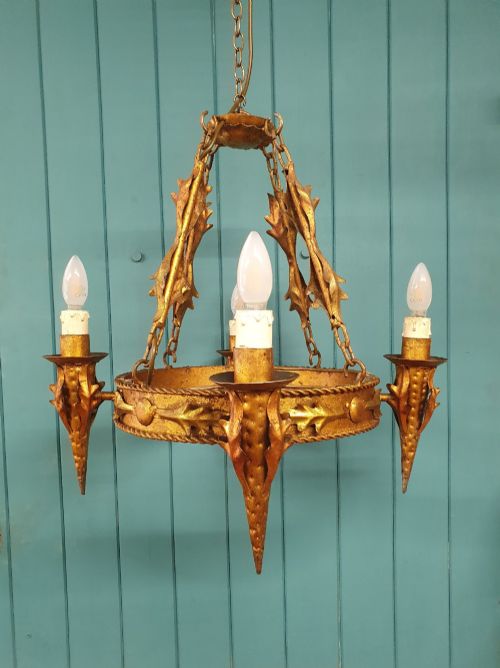
- Painted sheet metal objects, often decorated with floral or scenic motifs, frequently utilised for lamp bodies and chandelier shades.
- Ewer
- A large jug with a wide spout, commonly adapted into elaborate table lamp bases during the Victorian and Edwardian eras.
- Lustre
- Cut glass pendants or prisms suspended from a lamp or chandelier to refract light and enhance visual brilliance.
French Gilt Metal Lamp: Frequently Asked Questions
What periods do these lamps come from?
The available lighting predominantly spans the nineteenth century through the early decades of the twentieth century. Examples frequently align with Victorian, Edwardian, and specific continental revival movements.
Craftsmen of these eras utilised traditional casting and mounting methods that give each piece its distinct historical character.
How were these lamps originally used?
Many items began as oil lamps, candelabra, or torchere stands before being converted for electrical use over time. Floor models and table lamps provided ambient illumination in grand nineteenth-century interiors.
Tall standard lamps often included adjustable heights to serve reading desks or conversational seating areas.
How do I style a gilt metal lamp?
These lamps work well placed upon timber side tables, marble topped surfaces, or classical occasional furniture. Their reflective finishes complement traditional decor as well as eclectic modern interiors.
Pairing them with appropriate fabric or beaded shades helps diffuse the light while highlighting the metallic base details.
What materials accompany the metal?
Gilt bronze, brass, and ormolu are frequently mounted on heavy bases of white or coloured marble and onyx. Additional decorative elements include cut glass crystal spikes, lustres, and painted toleware.
These mixed media constructions contribute to the substantial weight and decorative presence typical of the category.