

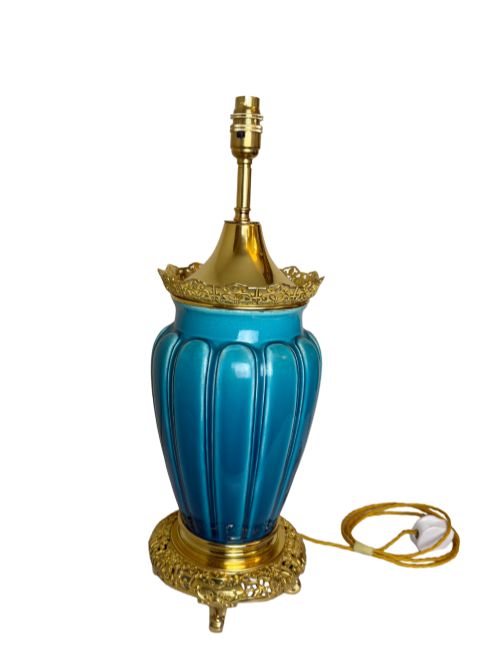
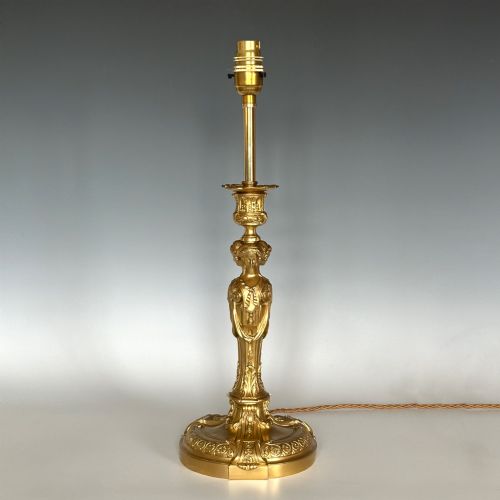
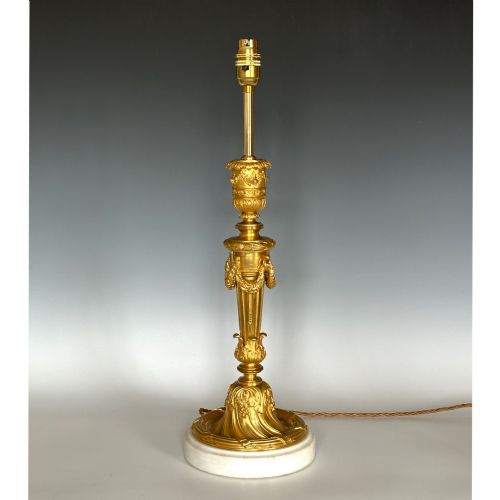

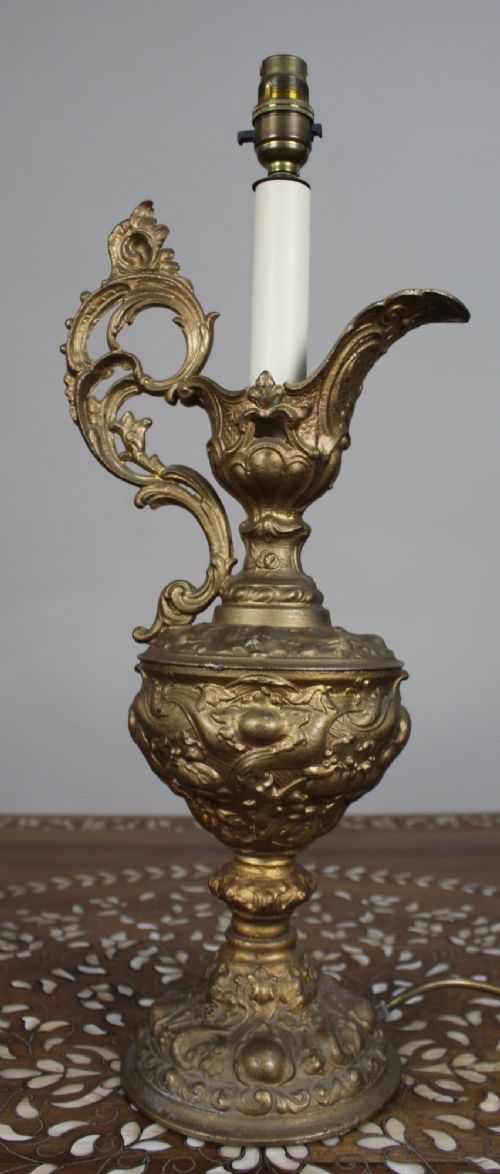
French Gilt Desk Light
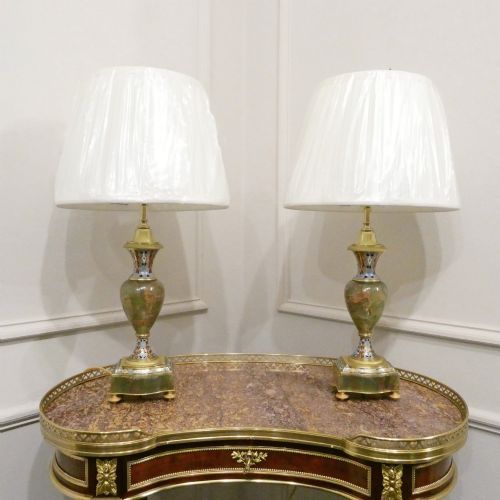
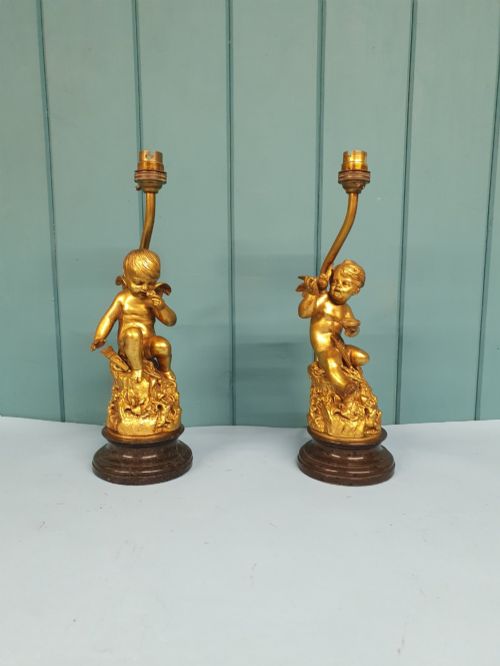
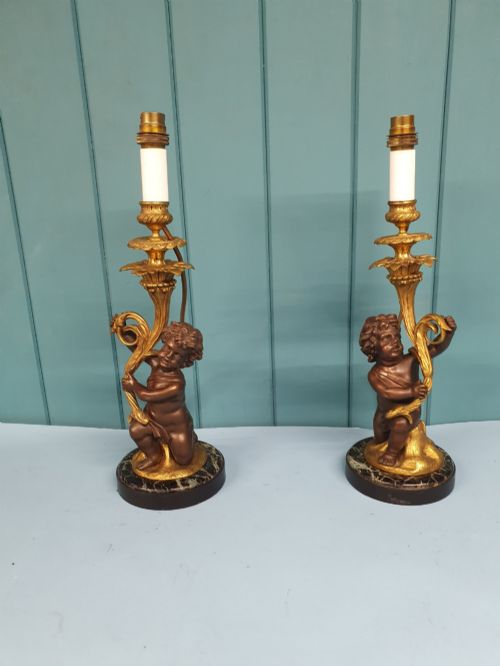
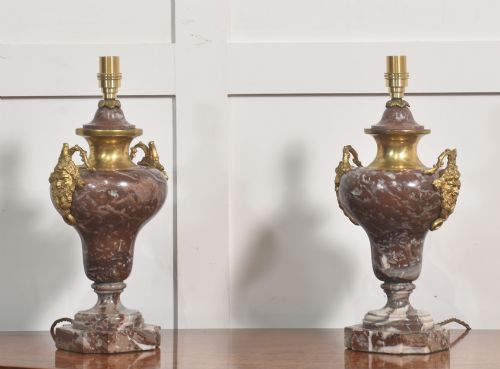
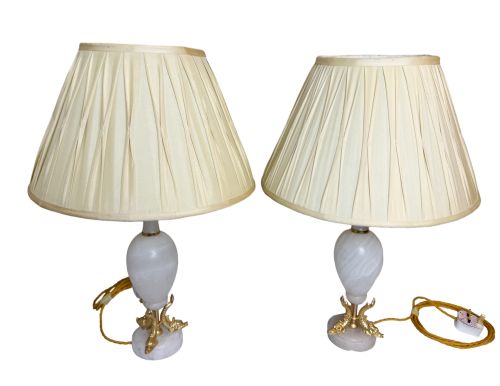
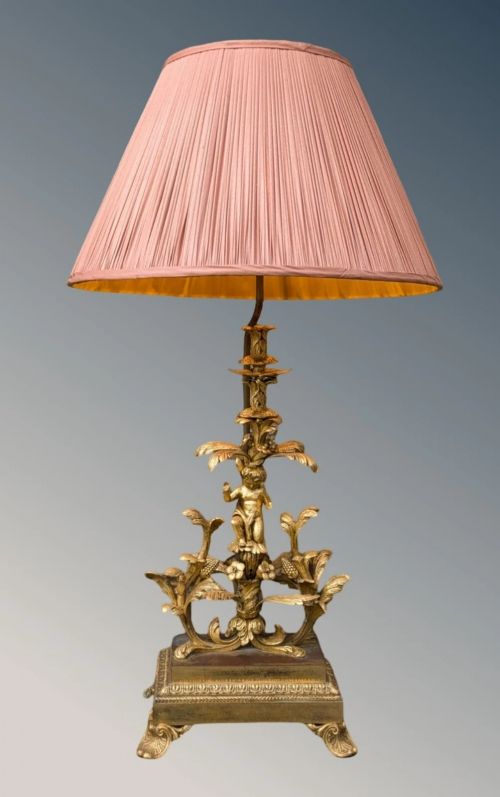
These pieces bring a french gilt desk light into a room, offering warm illumination and period character through gilded metalwork and marble.
French Gilt Desk Light
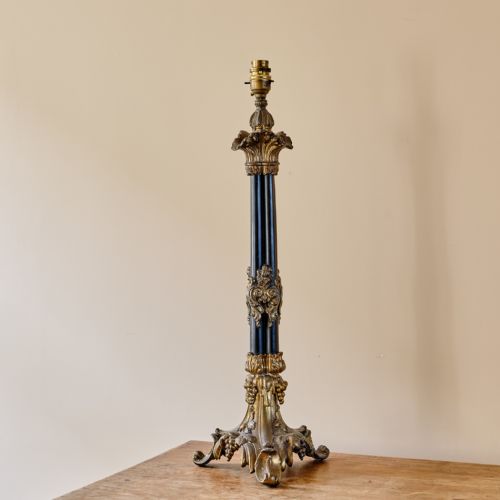
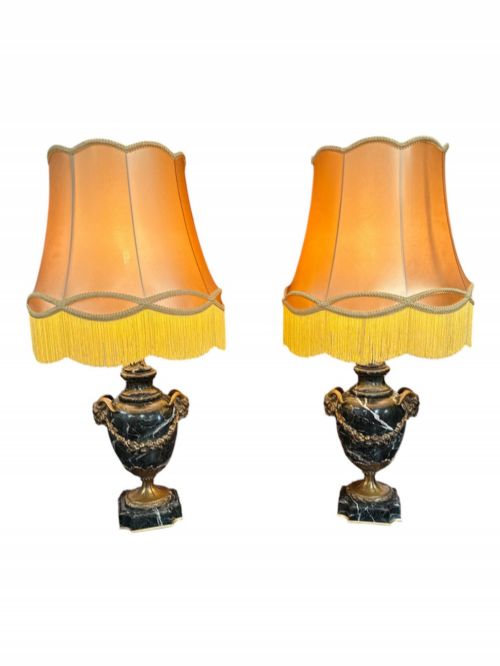
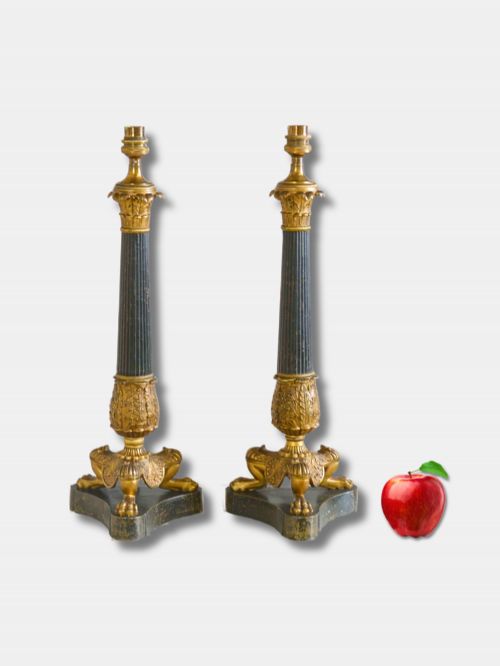
A french gilt desk light typically appears as a table lamp, a converted candlestick, or a small desk accessory originating from the nineteenth and early twentieth centuries. The selection relies heavily on styles such as Louis XVI, Rococo Revival, and French Empire, reflecting continental tastes from past centuries.
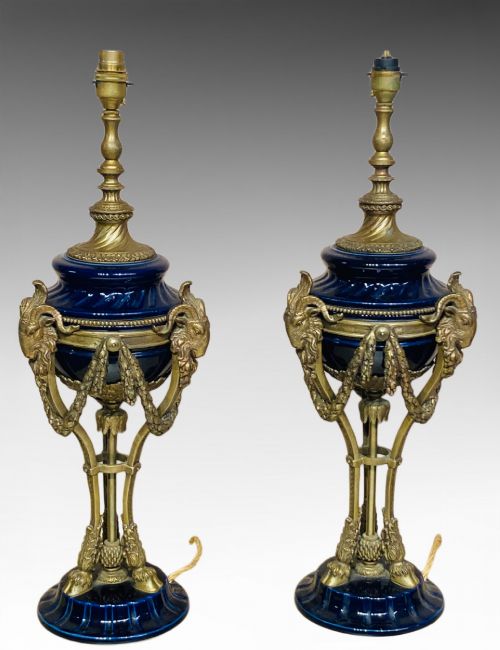
Buyers frequently encounter pairs or single lamps combining metals with stone bases, such as rouge marble, onyx, or porcelain inserts. These items trace their heritage to nineteenth century workshops and later adaptations of classical decorative motifs.
Materials and construction techniques
The construction of a french gilt desk light centres on cast metals, primarily ormolu, gilt bronze, brass, and gilt metal, often combined with carved marble or onyx. Artisans employed mercury gilding or electroplating to achieve the characteristic golden surface finish on the bronze and brass components.
Many examples incorporate porcelain bodies, champleve enamel, or fabric elements mounted within the metallic framework. Converted candlesticks and desk accessories show structural adaptations where wiring runs through original hollow stems or drilled bases.
Listings feature periods spanning from 1800 through the Victorian era up to the 1920s, constructed in gilt bronze, ormolu, marble, and onyx.
Evaluating quality and craftsmanship
Quality in a french gilt desk light rests upon the crispness of the metal chasing and the depth of the original gilding. Finer pieces demonstrate hand-chiselled details on bronze figures, acanthus leaves, and floral mounts, whereas simpler items show softer cast lines without secondary tool work.
The choice of supporting materials also distinguishes the grade of an object, with solid marbles, dense onyx, and hand-painted porcelain indicating higher manufacturing standards. The integration of structural mounts and the weight of the cast metal determine the overall solidity of the piece.
Dugourc
The French Gilt Desk Light Glossary
- Ormolu
- Gilt bronze produced by applying an amalgam of gold and mercury to a bronze base, followed by heat to drive off the mercury. This technique creates a durable, warm golden matte surface seen on eighteenth and nineteenth-century pieces.
- Champleve
- An enamelling technique where troughs or cells are sunk into the surface of a metal object and filled with vitreous enamel powder before firing. The resulting coloured patterns often accent the metallic body of desk accessories and lamps.
- Cassolette
- A decorative vase or urn with a reversible lid that can function as a vessel or a candlestick holder. In lamp adaptations, these stone and metal bodies retain their classical proportions.
- Empire
- A neoclassical design style spanning the late eighteenth and early nineteenth centuries, characterised by military motifs, classical foliage, and heavy gilt metal mounts. Pieces from this period draw inspiration from ancient Roman and Greek aesthetics.
- Rouge marble
- A deep red limestone with white and grey calcite veins, frequently quarried in France and used as a contrasting base material for gilt bronze mounts.
French Gilt Desk Light: Frequently Asked Questions
What is a french gilt desk light?
A french gilt desk light is an antique lighting fixture or converted candlestick featuring gilded metalwork, such as ormolu or gilt bronze, combined with materials like marble or porcelain. These objects originate mainly from the nineteenth and early twentieth centuries.
They serve as functional desk lamps while introducing classical continental design elements like Louis XVI or Empire styling into an interior.
How do I identify periods?
Periods are identified through stylistic cues, such as the symmetrical restraint of Louis XVI designs or the elaborate scrollwork of Rococo Revival. Materials like champleve enamel, specific marble types, and cast bronze details also point to nineteenth-century manufacturing techniques.
Examining the construction methods of the metal mounts and the wiring access points helps confirm the age of the piece.
Were these originally lamps?
Many items designed as a french gilt desk light started life as candlesticks, oil lamps, or desk inkwells before later conversion to electricity. This practice preserves the original decorative bronze or marble body while updating the object for modern use.
Converted pieces often retain weight and structural hardware from their initial nineteenth-century purpose.
How do I clean the gilding?
Gilded metal surfaces require gentle dusting with a soft dry cloth to prevent abrasion of the thin gold layer. Avoid harsh chemical polishes that can strip the historic ormolu or gilt bronze finish.
Stone bases like marble or onyx can be wiped carefully with a damp cloth, taking care to keep moisture away from electrical components.