


French Gilded Lights
French gilded lights bring warmth and grandeur to a room, spanning styles from delicate birdcages to imposing chandeliers.
French Gilded Lights
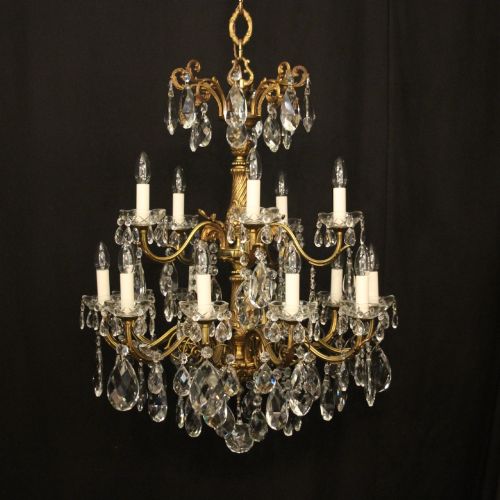
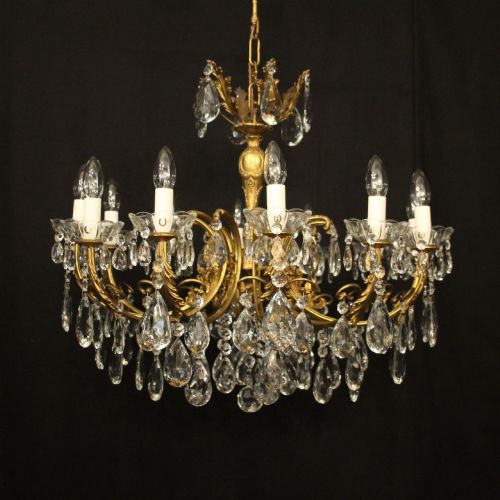
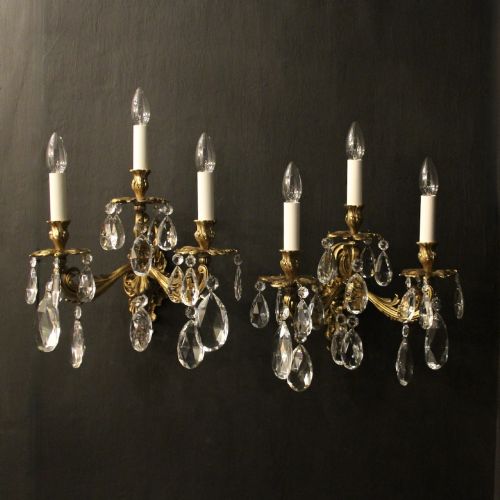
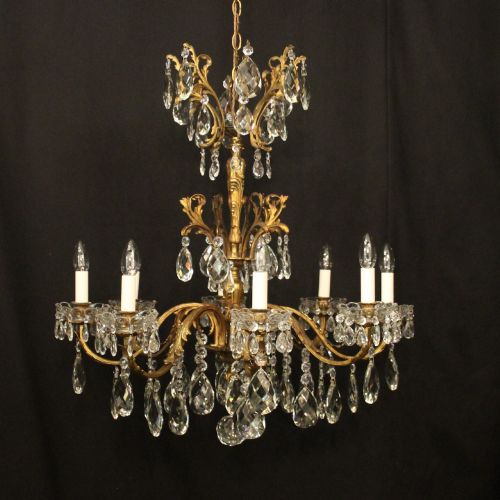
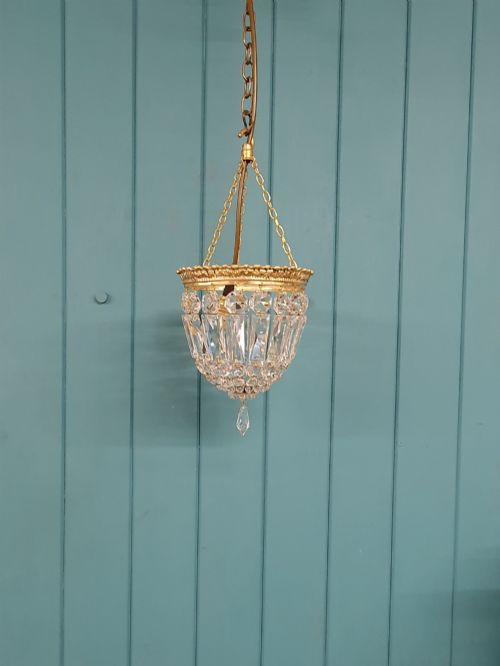
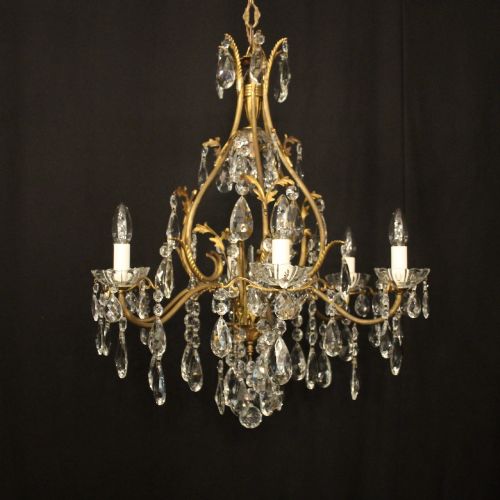
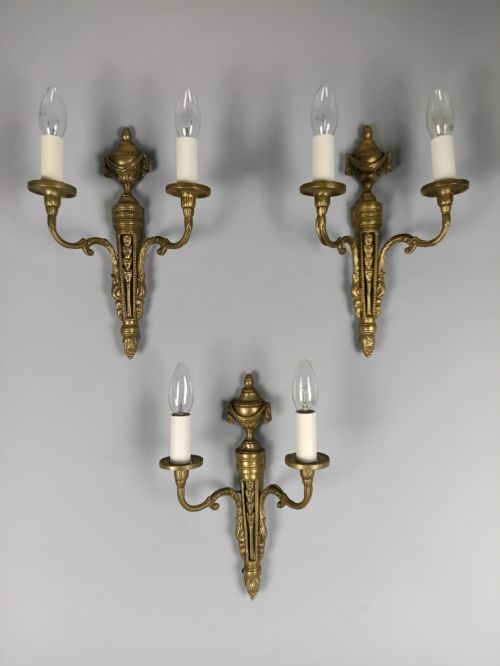
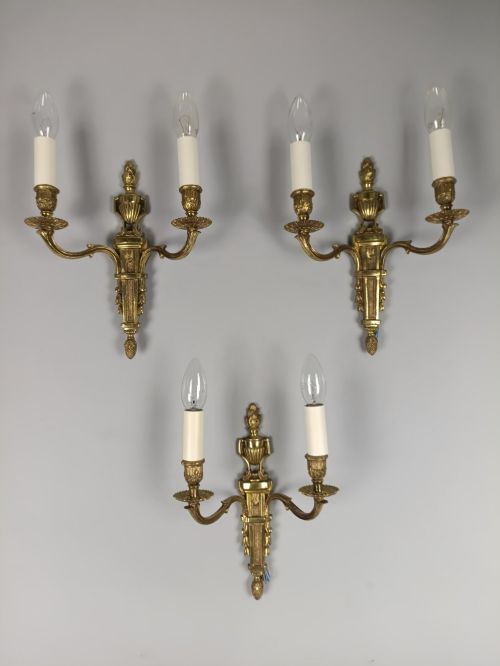
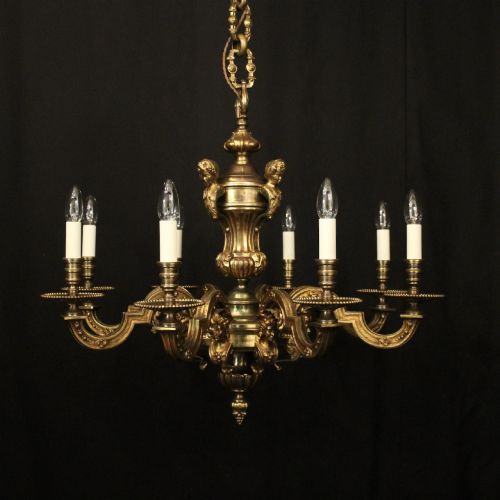
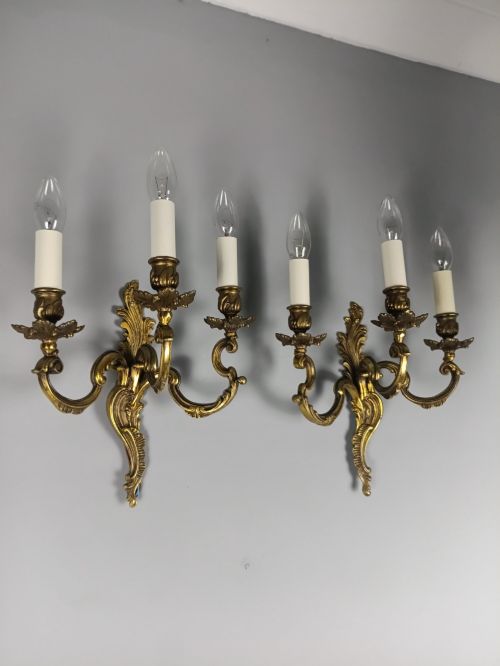
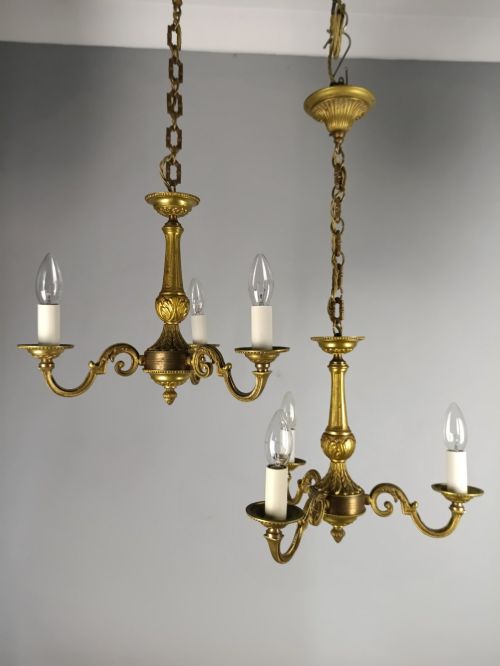
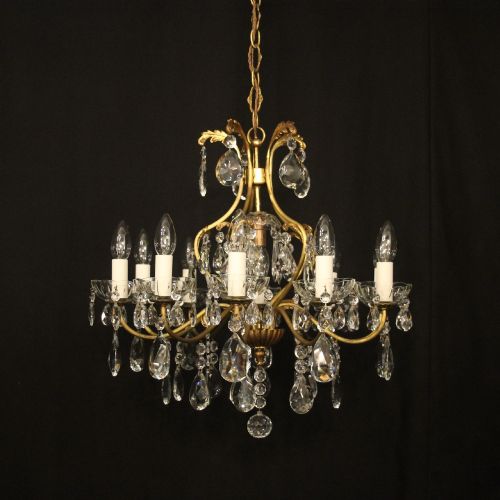
When you search for french gilded lights, you encounter a variety of fixtures designed to illuminate interiors with metallic brilliance. These pieces primarily take the form of chandeliers, wall lights, wall sconces, and hall lanterns originating from French traditions.
The selections available range from 18th-century designs through to the 1930s, incorporating periods such as Edwardian and the 19th century. Buyers frequently meet multi-light chandeliers and paired wall sconces executed in styles like French Rococo, Neoclassical, and Empire.
How They Were Made
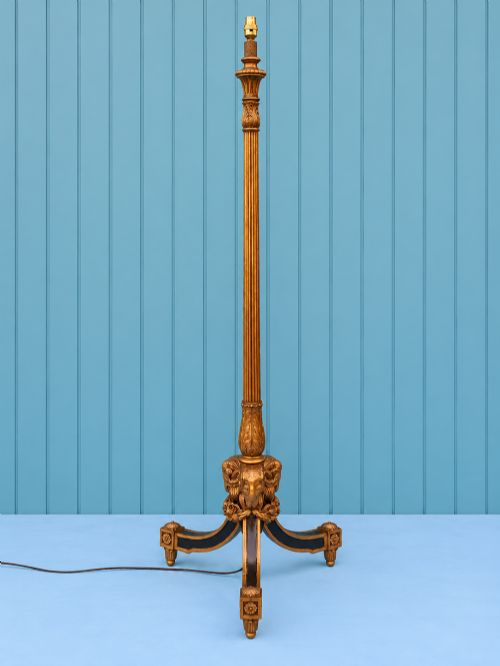
Artisans constructed these fixtures using robust base metals including bronze, brass, and carved pine or giltwood, then applied finishes of gold leaf, ormolu, or gilt bronze. Glass and crystal elements were integrated to refract the illumination provided by the candles or early electric bulbs.
Techniques varied from cast ormolu mounts and sculpted putti to elaborate crystal tent and waterfall formations. Metalwork frames supported delicate arrangements of glass drops, drops, and porcelain components where applicable.
French Gilded Lights Retail Price Guide 2026
Typical asking prices for french gilded lights among the pieces listed under this phrase on Sellingantiques today, from the lower quarter to the upper quarter. They describe what is for sale here now, not the wider market.
What Varies in Quality
The standard of a piece depends on the crispness of the bronze casting and the depth of the gilding applied to the metal surfaces. Finer examples display meticulous hand-chasing on ormolu mounts and substantial crystal drops rather than pressed glass.
Design complexity also differentiates the range, moving from simple multi-arm configurations to elaborate birdcage frames and large waterfall chandeliers with integrated figural elements like winged cherubs.
Charles Schneider
The French Gilded Lights Glossary
- Ormolu
- Finely ground high-carat gold applied to a bronze base using mercury amalgamation or modern electroplating. This technique imparts a durable, rich golden lustre to metal mounts.
- Plafonnier
- A ceiling-mounted bowl or shallow dome light fixture, often constructed from art deco glass. These sit close to the ceiling rather than hanging on a chain.
- Appliqué
- A wall-mounted lighting fixture or sconce designed to hold candles or electric lamps. These direct light outwards into a room from a flat backplate.
- Tent and waterfall
- A chandelier configuration where strings of small crystals form a tent shape at the top, flowing down into a wider cascade around the lower tiers.
- Putti
- Depictions of chubby male infants, often winged, used as decorative motifs in Rococo Revival metalwork. They frequently appear on wall lights and candelabra.
French Gilded Lights: Frequently Asked Questions
How do I clean a crystal chandelier?
Dust the crystal drops regularly with a soft cloth while the fixture remains hung. Use a mild soapy solution for deeper cleaning, wiping each prism individually.
Ensure the power is switched off before applying any moisture to the metal frame or electrical components. Allow all elements to dry completely before restoring power.
How do I identify a Rococo Revival piece?
Look for asymmetrical motifs, scrolling foliage, and organic shell shapes within the metalwork. Cherubs and putti are also common decorative elements on these specific wall lights.
The style draws heavily on 18th-century French aesthetics but typically dates from the 19th century or later revivals.
Where should I hang a hall lantern?
Hall lanterns suit entryways, corridors, and high-ceilinged landings where they provide focused downward illumination. Their enclosed glass sides protect the internal candles or bulbs from drafts.
Ensure the fixture hangs at a height that allows comfortable clearance underneath while remaining a central visual feature.