

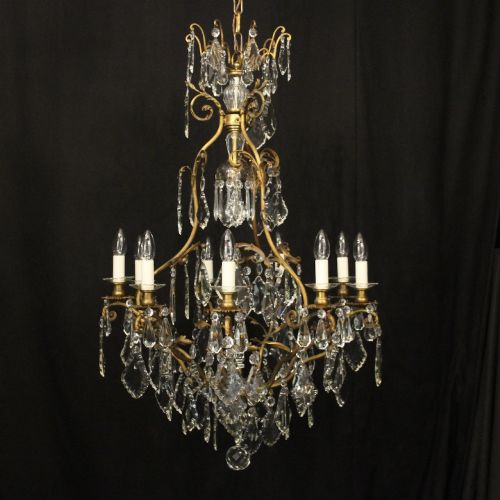
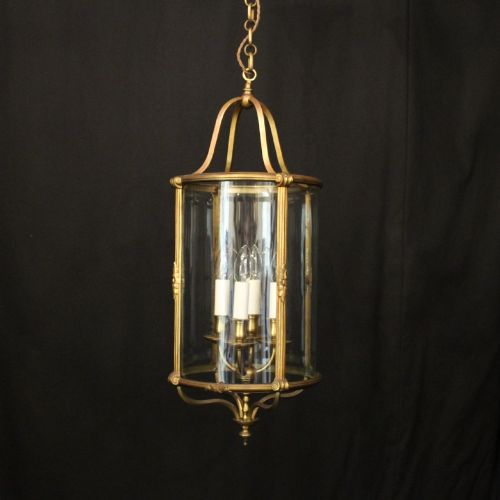
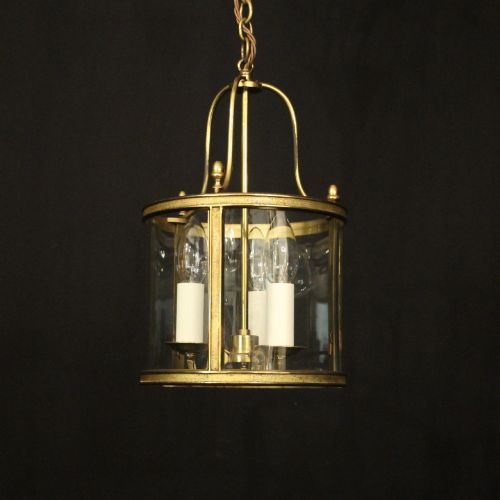
French Gilded Chandelier
A french gilded chandelier brings warmth and reflective light to a room, offering an ornate focal point rooted in centuries of continental craftsmanship.
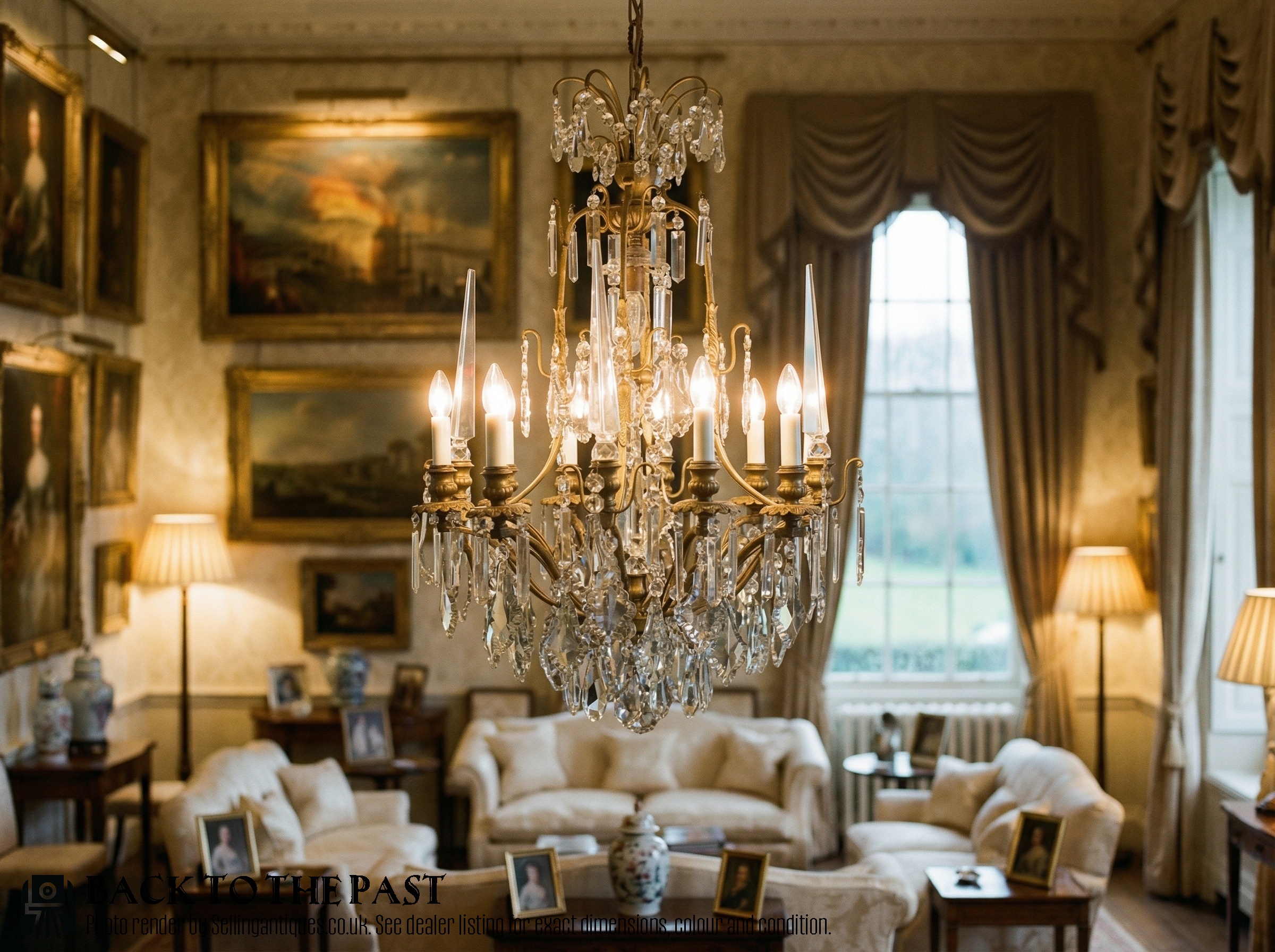
French Gilded Chandelier
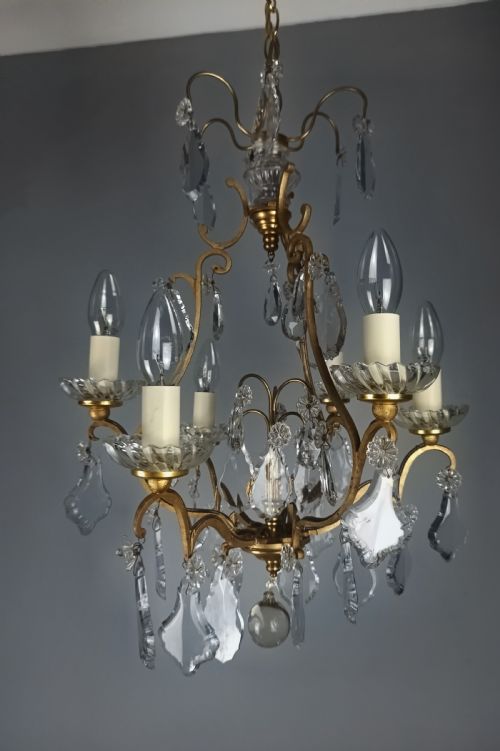
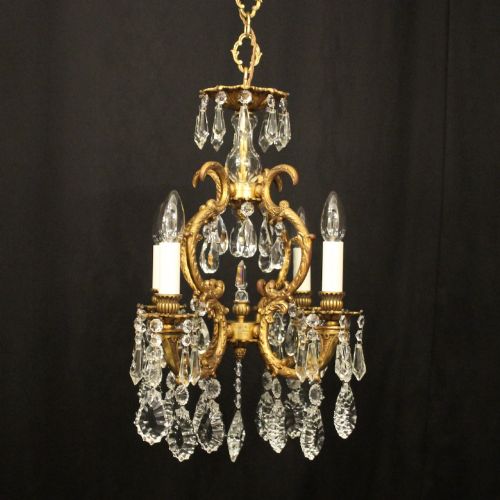
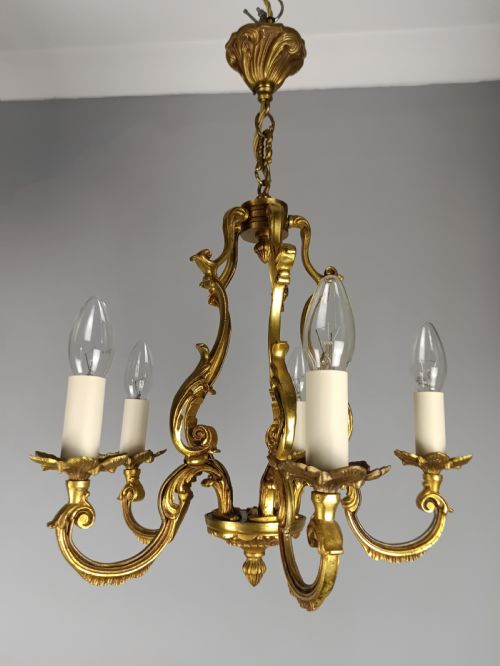
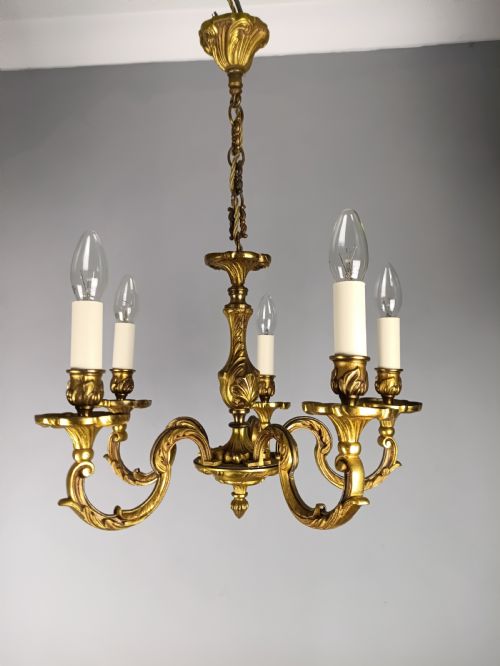
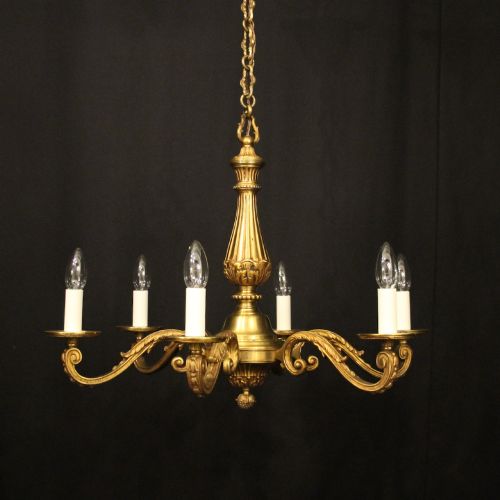
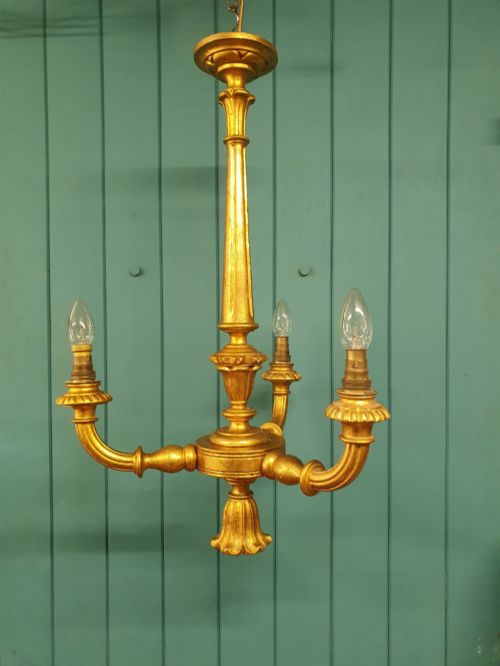
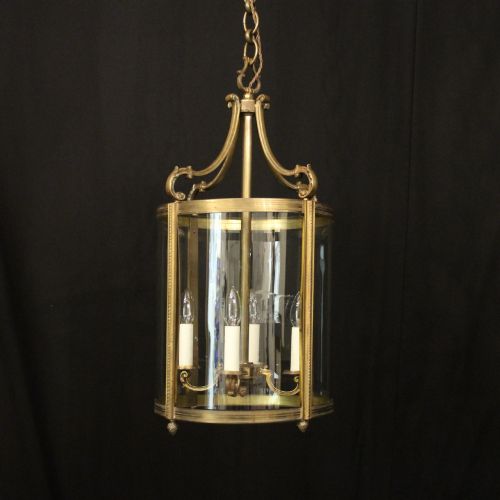
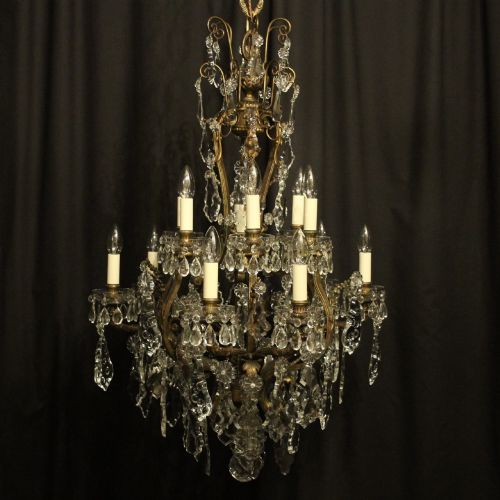
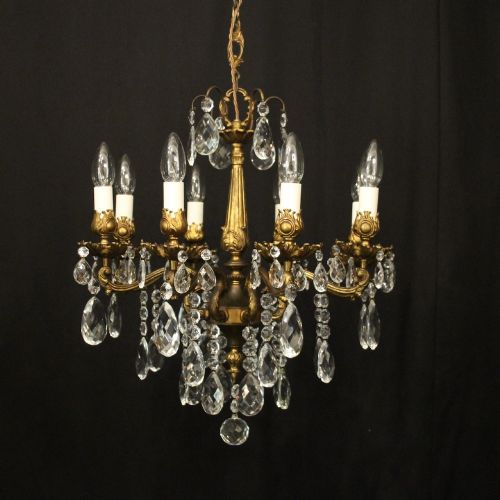
When searching for a french gilded chandelier, a buyer encounters a diverse array of hanging illumination ranging from compact multi-light fixtures to grand tiered centerpieces. The selections span the nineteenth century through the early decades of the twentieth century, capturing distinct stylistic revivals.
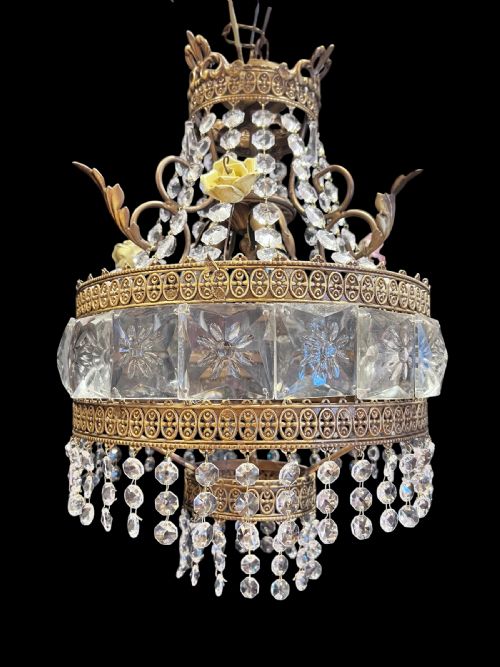
The most common forms on this page include multi-arm candle-style fittings, elaborate crystal-draped frame designs, and enclosed hall lanterns. Many examples reflect classical French design vocabularies, including Rococo and Neoclassical influences, alongside variations produced in regional workshops.
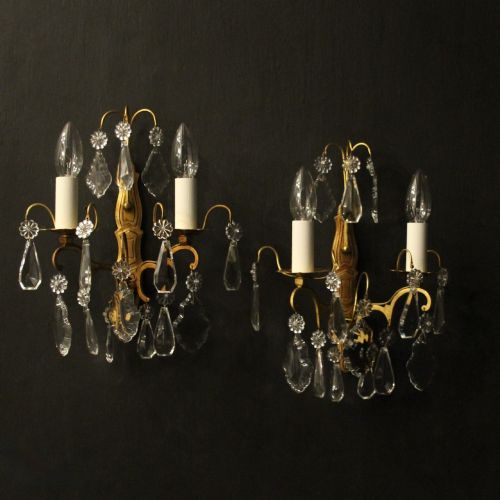
The physical scale varies considerably, accommodating intimate spaces as well as high-ceilinged reception rooms. Alongside standard ceiling lights, the listings encompass matching wall sconces and specialised pendant configurations.
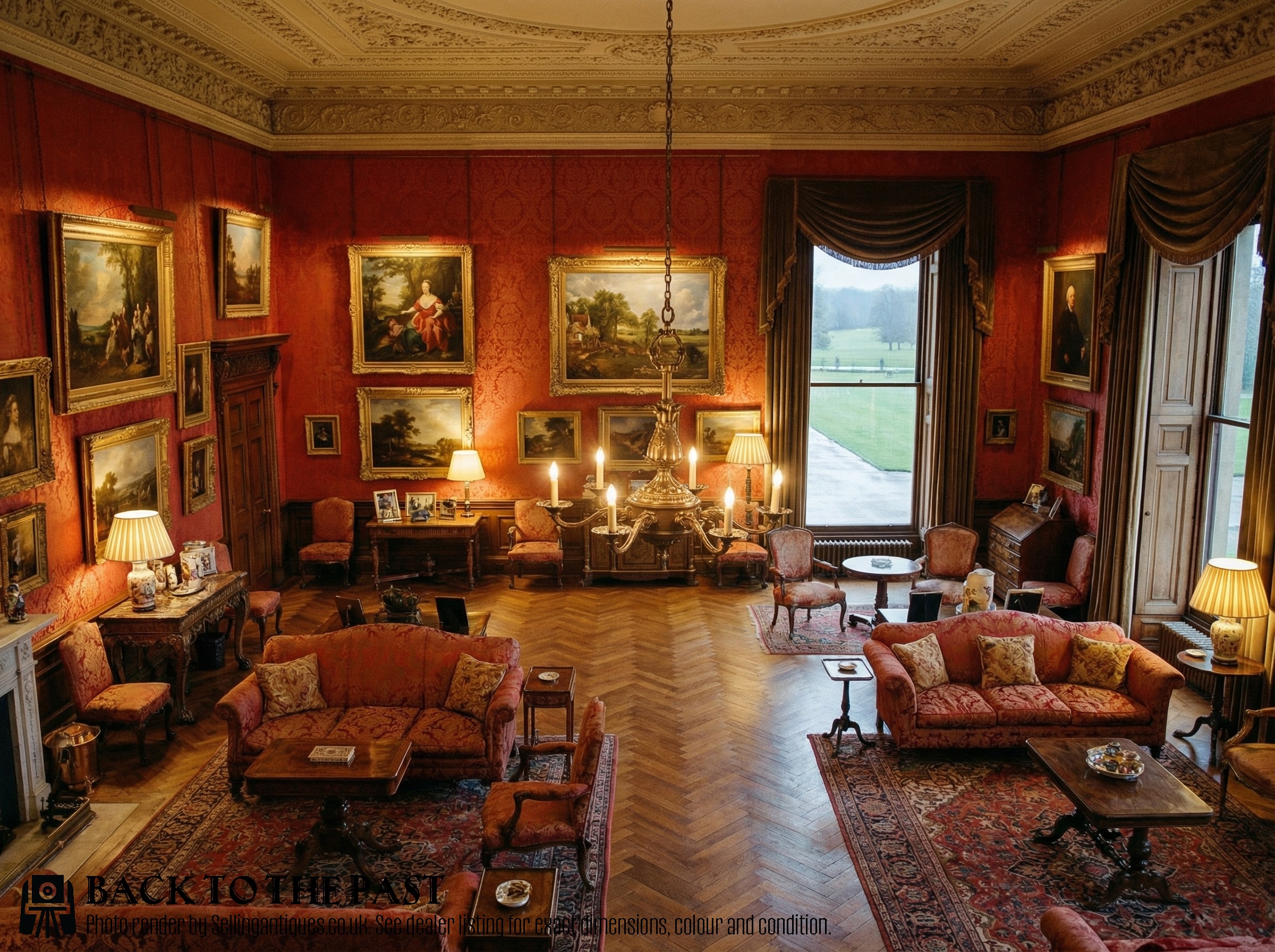
Materials and Construction Methods
The structural framework of these pieces relies heavily on cast bronze, brass, and carved gesso or giltwood, providing a rigid armature for multiple light branches. Metal surfaces received thin applications of gold leaf or gilt finishes to achieve a radiant metallic sheen.
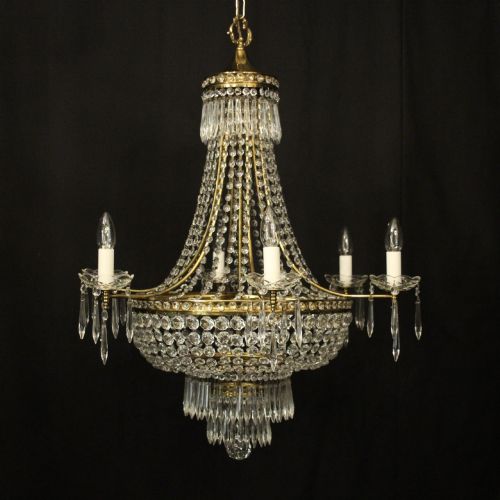
Transparency and sparkle are introduced through cut glass and crystal components, frequently suspended in tiered waterfall arrangements or tent formations. Additional decorative elements include porcelain flowers, ceramic details, and hand-painted tolewear accents.
A mischievous winged cherub occasionally peers down from the ceiling, watching over the room.
Distinctions in Quality
The distinction between standard examples and superior pieces rests largely on the crispness of the metal casting and the depth of the chasing work on bronze or brass components. Finer items exhibit intricate hand-finished details rather than soft, mass-produced contours.
The quality of the hanging elements also drives variation, with hand-cut crystal drops producing sharper light refraction than simpler moulded glass pendants. Additionally, the integrity of the original gilding and the structural stability of the arm junctions dictate the overall caliber of the fixture.
The French Gilded Chandelier Glossary
- Gilt Bronze
- A copper alloy coated with a thin layer of gold, commonly known as ormolu on finer antique light fittings.
- Birdcage Chandelier
- A style characterised by a curved metal frame resembling an avian enclosure, often densely hung with crystal drops.
- Tent and Waterfall
- A lighting configuration featuring an upper canopy of strung beads dropping into a wider cascading fringe of crystals.
- Plafoniere
- A ceiling-mounted light fixture designed to sit flush or very close to the plaster surface.
- Tolewear
- Painted sheet metal shaped into decorative botanical or floral motifs, frequently incorporating ceramic elements on French lighting.
French Gilded Chandelier: Frequently Asked Questions
How do I hang a heavy antique chandelier?
Suspension requires locating a secure ceiling joist and utilising a substantial weight-bearing ceiling hook connected to the electrical box.
Professional installation is strongly advised for larger bronze and crystal fixtures to ensure structural safety.
Can these chandeliers take modern bulbs?
Most wired fittings accept standard modern SES or CES candle bulbs, though internal rewiring may be necessary for older imported frames.
Low-wattage LED candle bulbs work well to replicate the soft glow of historic lighting without generating excessive heat.
How do I clean crystal drops safely?
Crystal pendants and glass strands should be gently wiped in situ using a mild solution of warm water and isopropyl alcohol.
Removing individual drops for immersion cleaning is an option for heavily soiled pieces, provided the brass pins are handled with care.
What distinguishes an Edwardian piece from nineteenth-century work?
Nineteenth-century fixtures frequently employ heavier cast bronze and more elaborate classical ornamentation, reflecting formal salons.
Edwardian and early twentieth-century examples often lean toward lighter brass constructions and simpler crystal arrangements.