





French Garden Stand
A French garden stand brings structured botanical display to a terrace or conservatory, offering elegant tiers and scrollwork that elevate potted plants.
French Garden Stand
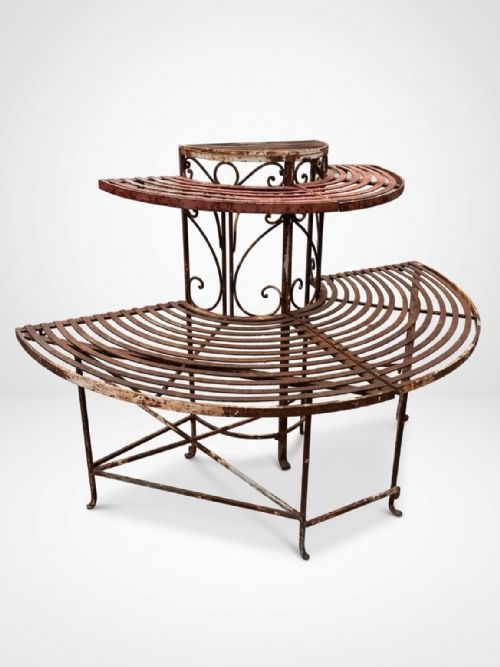
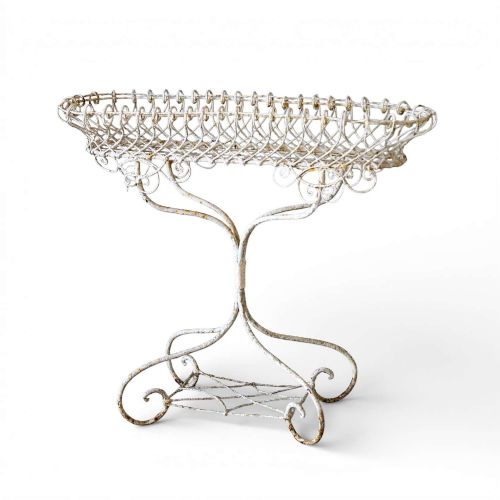
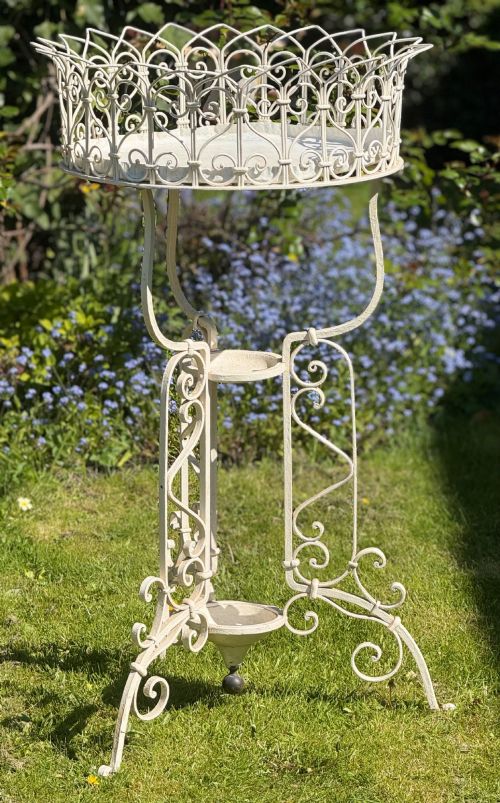
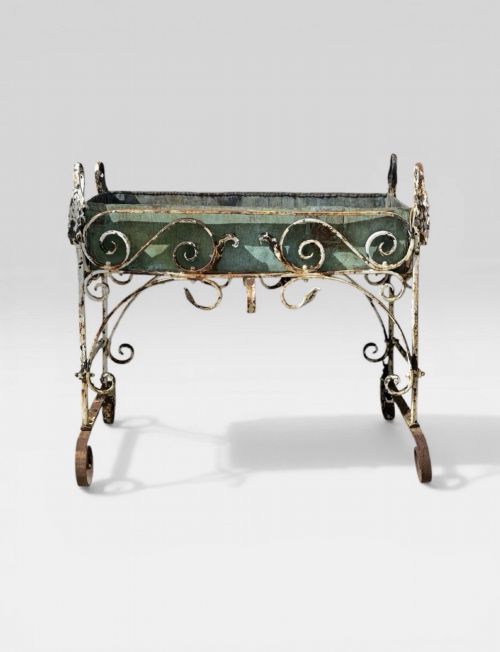
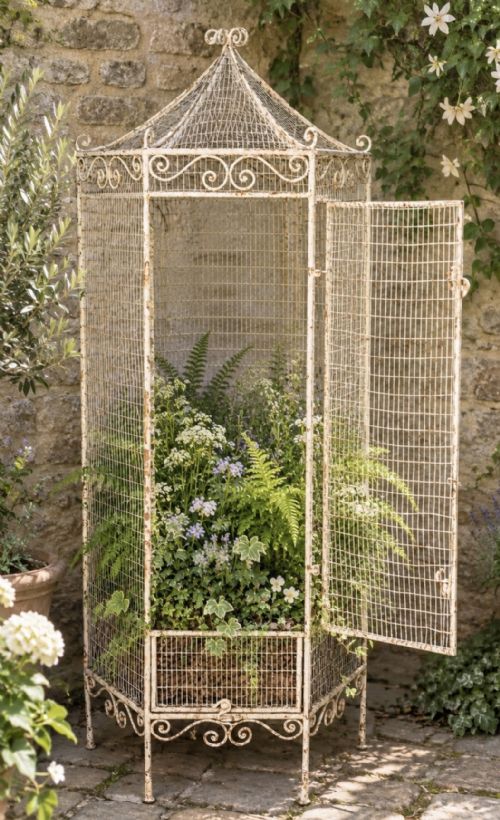
A French garden stand encompasses utilitarian plant holders, tiered planters, and decorative urns designed for outdoor greenery or conservatory use. When searching for a french garden stand, buyers encounter pieces intended to lift flora off the ground to catch the light and create architectural interest.
The selections span from the nineteenth century into the early decades of the twentieth century, capturing Victorian influences and French provincial styles. Forms range from simple pot stands to wirework jardinieres and occasional round tables suited for garden spaces.
Originating largely from continental and British workshops, these utilitarian objects serve both practical horticulture and decorative patio arrangement. They integrate metalwork and masonry to support plants in domestic gardens and sheltered courtyards.
Materials and construction
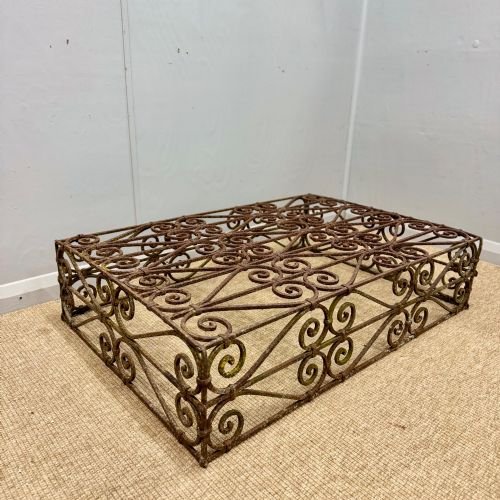
Makers utilised wrought iron and cast iron as the primary structural elements, shaping metal through forging and casting to achieve durable frames and intricate scrollwork. Wire mesh and wirework form lighter tiered planters and lattice baskets designed to hold pots securely.
Paint finishes, often applied in green or white, protect the iron surfaces from weathering while contributing to the visual character of the garden furniture. Terracotta and zinc provide robust alternatives for jars and birdcages, while occasional pieces incorporate oak and marble for interior or sheltered display.
French Garden Stand Retail Price Guide 2026
Typical asking prices for french garden stand among the pieces listed under this phrase on Sellingantiques today, from the lower quarter to the upper quarter. They describe what is for sale here now, not the wider market.
Some antique birdcages double as chateau garden ornaments, proving that nineteenth-century feathered residents lived in considerable architectural style.
Assessing quality and craftsmanship
The distinction between standard utility items and finer examples lies in the finesse of the metalwork, particularly the complexity of scrollwork, strapp work, and lattice basket construction. Heavier cast iron components and carefully balanced proportions indicate superior workshop execution.
Patina and surface preservation play a significant role in overall appeal, where original or weathered paint finishes retain historical character without structural compromise. The integrity of welded joints and the weight of the metal distinguish substantial garden pieces from lighter reproductions.
The French Garden Stand Glossary
- Wrought iron
- Iron that is heated and hammered into shape by hand, known for its fibrous texture and flexibility in forming delicate scrolls. This material allows for slender, strong structural elements in garden furniture.
- Jardiniere
- An ornamental pot or stand designed to hold growing plants or flowers. These receptacles often feature decorative lattice or metalwork to support floral displays.
- Guéridon
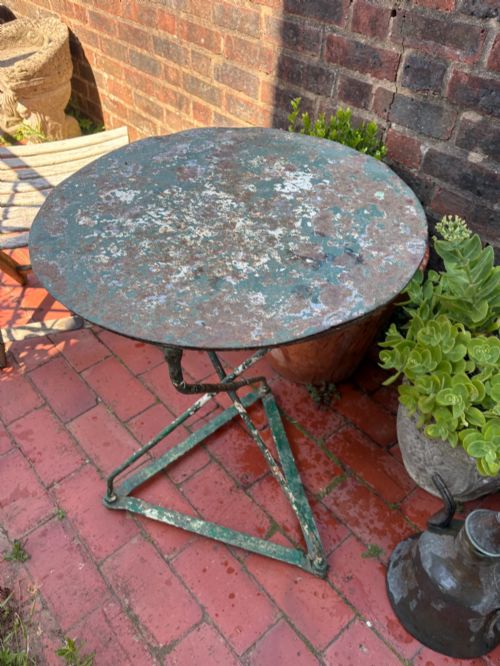
- A small round table supported by a central pillar or multiple legs, frequently utilised for decorative objects or casual placement. In garden contexts, these metal tables serve dual purposes for display and utility.
- Wirework
- Metal wire bent, woven, or soldered into open lattice patterns to create lightweight planters and stands. This technique provides airy strength for supporting botanical arrangements.
- Terracotta
- Unglazed fired clay of a brownish-red colour, traditionally used for garden jars and olive containers. The porous material suits plant health by allowing moisture to evaporate through the walls.
French Garden Stand: Frequently Asked Questions
How are these stands used outdoors?
These stands elevate potted plants, urns, and flowers to improve drainage, visibility, and air circulation on patios or terraces.
They also serve as low tables or decorative accents for garden seating areas.
Can these metal stands stay outside year-round?
Wrought iron and cast iron pieces tolerate outdoor conditions well, though protective paint layers help prevent excessive oxidation over time.
Moving delicate wirework or painted items under shelter during harsh winter months preserves their finish.
How do I distinguish nineteenth-century ironwork?
Nineteenth-century ironwork typically displays hand-forged joinery, varied gauge thicknesses in scrollwork, and a heavy, dense feel compared to modern reproductions.
Surface wear and traditional fastening methods further indicate age and period manufacture.
What maintenance do painted garden stands require?
Painted surfaces benefit from gentle cleaning to remove dirt and debris without stripping the weathered exterior patina.
Touching up exposed metal with suitable paint prevents rust from developing on iron frames.