




French Frosted Glass Bird
These French frosted glass bird sculptures and lamps bring distinctive Art Deco elegance to any room.
French Frosted Glass Bird
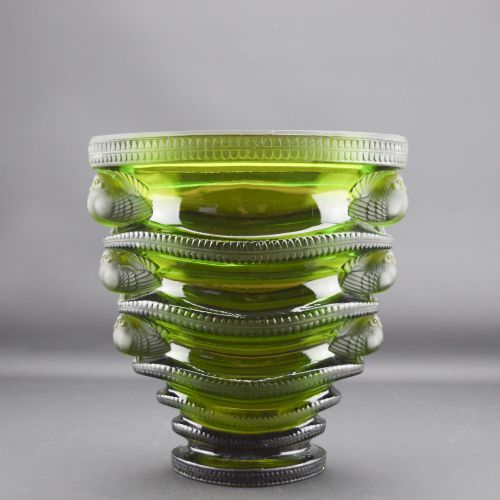
When you search for french frosted glass bird items, you encounter decorative paperweights, table lamps, and vases created during the early twentieth century. These objects capture avian forms with artistic styling typical of the period.
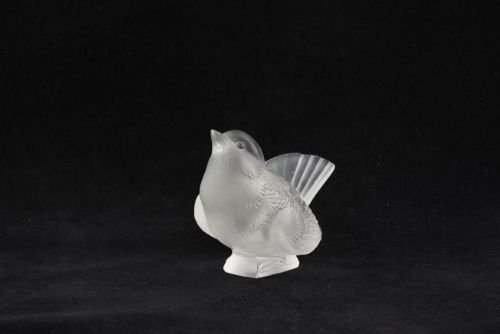
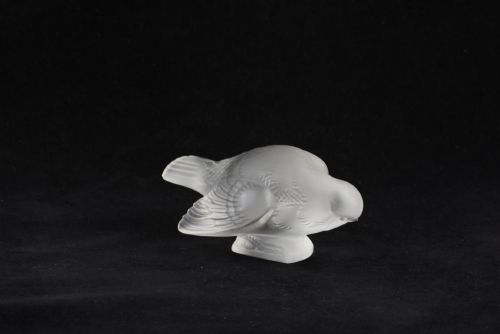
The most common examples on this page are paperweights and lamps featuring sparrows, finches, and seagulls. These pieces combine sculptural glass work with functional lighting or display purposes.
Originating predominantly from the nineteen twenties and thirties, these items reflect the dominant decorative tastes of French design ateliers. Collectors value them for their sculptural presence and historical authenticity.
Materials and construction
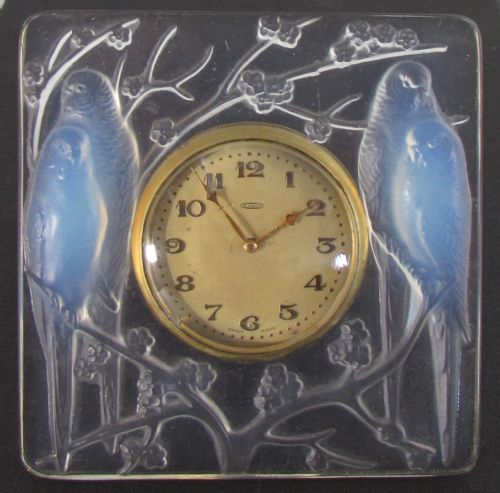
Makers utilised moulded glass, crystal, and opalescent glass to create translucent bodies that diffuse light effectively. Surfaces were frequently frosted to soften the visual impact and accentuate the feathered contours of each creature.
Many sculptural bird figures were mounted on bases made from contrasting materials such as marble, spelter, brass, or granite. This combination provided stability and added textural variety to lamps and paperweights.
Several sparrows manage to look perpetually unimpressed despite being immortalised in fine French crystal.
Assessing quality
Quality rests upon the crispness of the moulding and the subtlety of the frosting technique across the glass surface. Superior examples exhibit finely rendered anatomical details and harmonious proportions.
The integration of the glass figure with its mounting base distinguishes finer pieces from standard productions. Weight, balance, and the quality of secondary materials like marble or brass elevate the overall standard of the object.
Rene Lalique
The French Frosted Glass Bird Glossary
- Frosted glass
- Glass with a textured, opaque surface created by acid etching or sandblasting. This finish diffuses light and mutes reflections.
- Opalescent glass
- Glass that displays milky or pearlescent blue and amber tones when lit from different angles. It adds depth to sculptural forms.
- Spelter
- A zinc alloy commonly used as a substitute for bronze in decorative metalwork. It was frequently patinated to resemble older metals.
- Moulded glass
- Glass shaped by being pressed into a metal or wooden matrix while hot. This technique allowed for consistent production of intricate reliefs.
French Frosted Glass Bird: Frequently Asked Questions
What are french frosted glass bird objects?
These items are decorative sculptures, paperweights, and lamp components created in France during the early twentieth century. They depict various birds using moulded and frosted glass techniques.
Many pieces function as desk accessories or sculptural lighting elements. Their appeal lies in their sculptural form and period manufacturing methods.
How were these glass birds used originally?
Paperweights served on desks to hold documents while displaying artistic flair. Lamp designs incorporated glass birds as night lights or sculptural centerpieces.
Owners placed them in prominent domestic settings to showcase modern decorative arts. They bridged the gap between functional household items and fine art.
How do I care for frosted glass?
Dust surfaces gently with a soft, dry cloth to prevent accumulation in the textured recesses. Avoid harsh chemical cleaners that might alter the historic finish.
Keep pieces away from direct heat sources and unstable ledges. Proper placement ensures the glass and any attached metal bases remain secure.
How can I tell Art Deco pieces apart?
Art Deco designs rely on stylized symmetry, streamlined animal forms, and industrial material combinations like glass and metal. Earlier styles often featured more ornate, flowing naturalism.
Examine the mounting bases and mounting hardware for period manufacturing clues. The integration of glass with marble or spelter is characteristic of this era.