

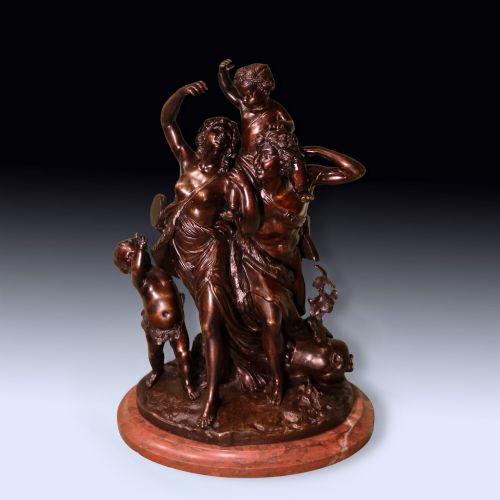


French Figural Group
A French figural group captures multiple figures in bronze, porcelain, or terracotta, bringing classical mythology and domestic narrative into interior spaces.
French Figural Group
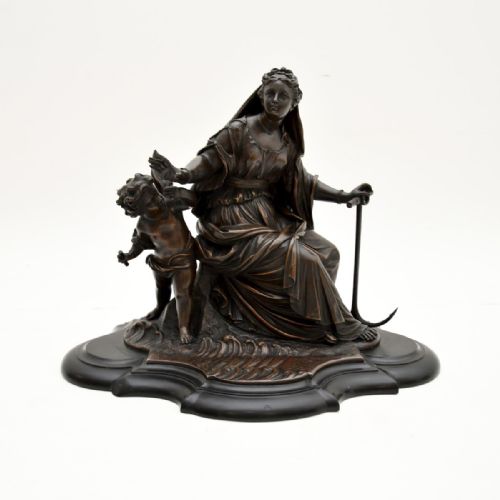
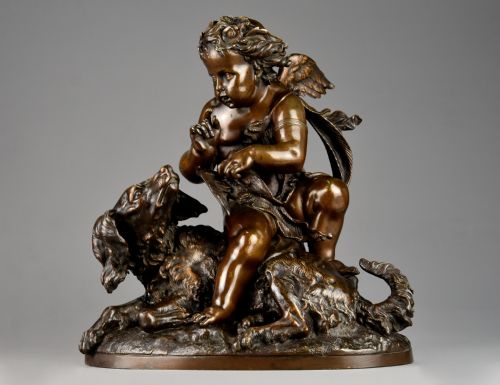
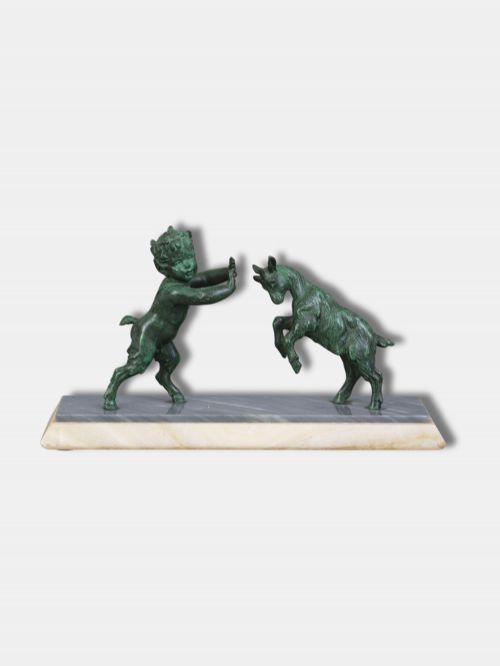
A French figural group presents two or more interacting characters, often drawn from classical mythology such as Bacchus, putti, fauns, or Cupid and Psyche. These compositions also embrace domestic and sentimental themes like motherly love, dancers, and quarrymen.
Nineteenth-century examples frequently follow Neoclassical, French Rococo Revival, or Art Nouveau styles, while later pieces shift into clean-lined Art Deco forms. Buyers commonly encounter bronze and porcelain groups resting upon marble or onyx pedestals.
The objects range from modest porcelain figurines to large-scale sculptural groups cast in metal. Makers and sculptors often took inspiration from earlier masters such as Clodion, producing works that echo classical movement and drapery.
Materials and Casting Techniques
Bronze stands out as the primary metal, shaped through traditional casting methods and finished with patination, silvering, or cold-painted details. Spelter appears in later twentieth-century works as a more affordable metallic alternative.
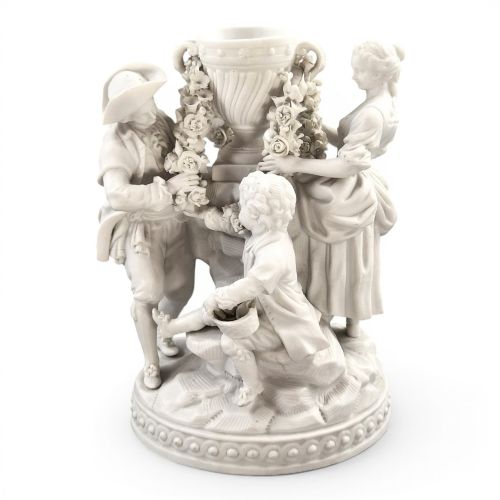
Biscuit porcelain and terracotta offer entirely different tactile qualities, requiring careful kiln firing and delicate hand-assembly of elements like floral garlands. Alabaster and marble provide substantial bases or carved bodies for early twentieth-century pieces.
Surface finishes complete the manufacture, whether through the warm brown patina of a nineteenth-century bronze or the smooth, unglazed matte surface of Vieux Paris biscuit porcelain.
French Figural Group Retail Price Guide 2026
Typical asking prices for french figural group among the pieces listed under this phrase on Sellingantiques today, from the lower quarter to the upper quarter. They describe what is for sale here now, not the wider market.
Listings span from the mid-nineteenth century through the Art Deco period of 1930, utilising bronze, marble, terracotta, and porcelain.
Assessing Artistic Merit
The grace of the composition and the natural interaction between figures separate standard studio productions from exceptional sculptural works. Pieces signed by known sculptors or produced by prominent foundries demonstrate superior artistic execution and balance.
Emile Carlier·Richard Avrilli·E. Drouot·P. Sega·Auguste Moreau·Eugene Clauss·Vion et Baury·Carrier·Antoine Bofill
The French Figural Group Glossary
- Putto
- A plump, naked male infant, often winged, frequently depicted in mythological and classical scenes. These figures add a playful or mischievous element to Bacchic groups.
- Patination
- The chemical or natural coloration applied to the surface of a bronze sculpture. It enhances depth and highlights the contours of the figures.
- Biscuit Porcelain
- Unglazed porcelain with a smooth, matte texture resembling fine marble. It was widely utilised by French factories for detailed figural groups.
- Spelter
- An alloy of zinc and other metals used as a substitute for bronze in decorative sculptures. It typically carries a painted or bronze-toned surface finish.
- Neoclassical
- An artistic style drawing inspiration from the classical art and culture of ancient Greece and Rome. It emphasises restrained emotion, balance, and mythological subjects.
French Figural Group: Frequently Asked Questions
What is a figural group?
A figural group is a sculpture composed of two or more distinct figures interacting within a single scene. These pieces tell a visual story, often drawing from mythology or allegorical themes.
Unlike single portrait busts or isolated statues, groups emphasise relationship, movement, and narrative balance between the subjects.
Where were these pieces displayed?
Historically, these sculptures served as centrepieces for formal reception rooms, mantels, and grand libraries. Their scale allowed them to command attention within nineteenth-century domestic interiors.
Today, they function well on sturdy sideboards, pedestals, or open shelving where light can catch the bronze patina or porcelain contours.
How do I identify a cast after Clodion?
Pieces described as after Clodion emulate the spirited terracotta and bronze style of the eighteenth-century sculptor Claude Michel. They frequently feature dancing fauns, bacchantes, and joyful putti.
Such works were often produced in the nineteenth century as deliberate revivals of his popular neoclassical compositions.
How do I care for bronze and porcelain?
Bronze sculptures require only gentle dusting with a soft, dry cloth to protect the underlying patination from oils and moisture. Avoid using metal polishes, which strip away historical finishes.
Porcelain and terracotta pieces should be handled with equal care, keeping them away from areas prone to heavy grease or vibration.