



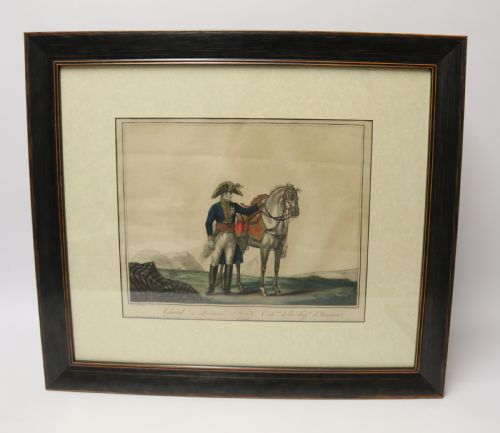


French Etching Print
These French etching print pieces bring centuries of classical antiquity, delicate portraiture, and atmospheric Parisian scenes straight to your walls.
French Etching Print
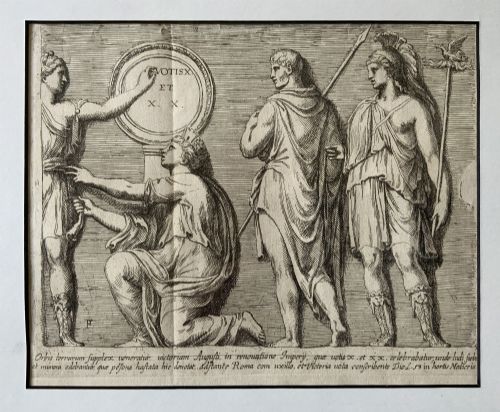
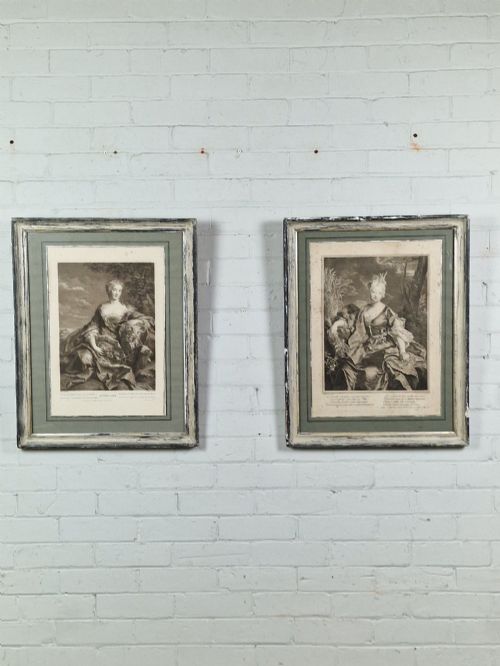
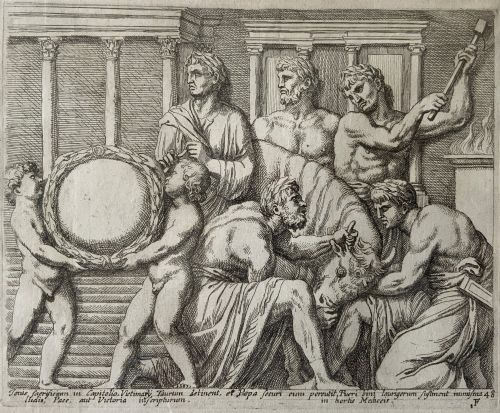
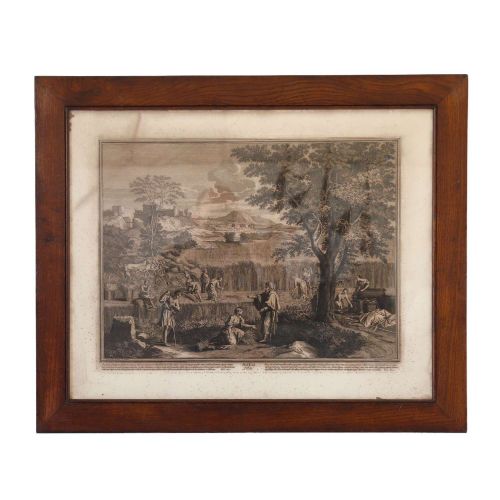
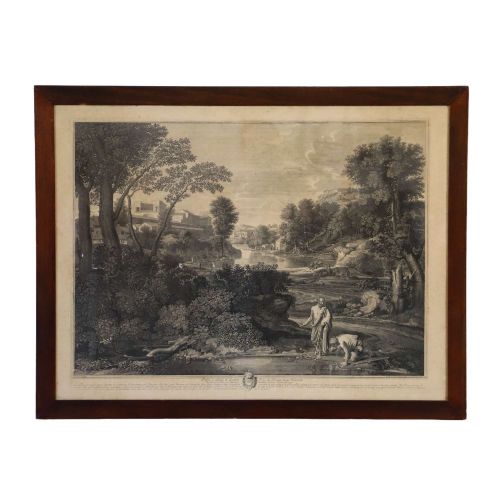
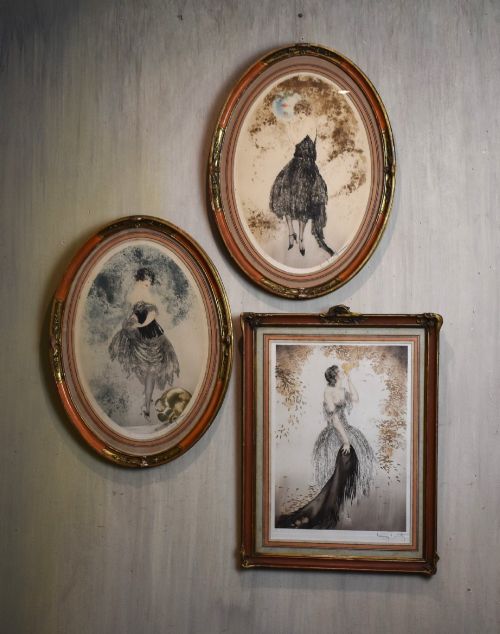
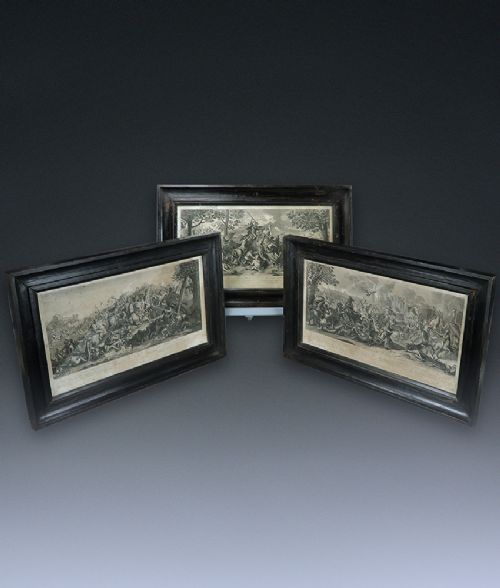
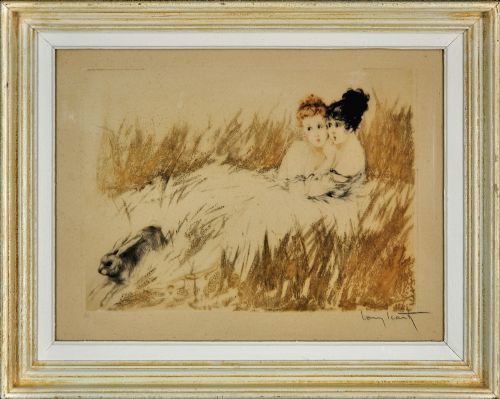
A french etching print encompasses works created across multiple centuries, ranging from seventeenth-century classical antiquity interpretations to twentieth-century Art Deco compositions. You will encounter framed wall art that captures mythological narratives, military history, and literary illustrations.
The selections span distinct periods including the seventeenth century, the eighteenth century, the nineteenth century, and the early twentieth century. Works appear framed in wood, gilt wood, and glass, ready for display.
Formats vary from single framed sheets to pairs and sets of prints, encompassing engravings, drypoints, aquatints, and lithographs. Subjects stretch from landscapes and architectural landmarks to anatomical studies and figurative scenes.
What varies in quality
The distinction between tiers rests upon the clarity of the line work, the richness of the ink impression upon the paper, and the preservation of hand-applied watercolour details. Early printings maintain sharper plate marks and finer tonal gradations than later impressions.
The integrity of the original framing, whether gilt wood or period wood moulding, contributes significantly to the overall character and historical cohesion of the piece.
French Etching Print Retail Price Guide 2026
Typical asking prices for french etching print among the pieces listed under this phrase on Sellingantiques today, from the lower quarter to the upper quarter. They describe what is for sale here now, not the wider market.
Look closely for anatomical figures and depictions of mythological myths hiding among the classical landscapes.
François Perrier·Étienne Baudet·Louis Icart·Gustave Doré·Adolphe Pannemaker·Jean Hardy·Pierre Buillon·Henri Chatillon·Mariette Lydis·Francis Dodd·Albert Terry·Victor Valery
The French Etching Print Glossary
- Etching
- A printmaking technique where lines are bitten into a metal plate with acid before being inked and pressed onto paper. This process allows for fine, fluid lines resembling a drawing.
- Engraving
- A method of cutting a design directly into a metal plate using a sharp tool called a burin. It produces crisp, precise lines with distinct edges.
- Drypoint
- A printmaking process where an artist scratches directly into a metal plate with a sharp needle, creating a raised ridge of metal called burr that holds extra ink for a velvety line.
- Aquatint
- A tonal etching technique used to achieve areas of grey and shadow similar to watercolour washes. It relies on acid-resistant resin dusted onto the plate.
- Lithograph
- A planographic printing process based on the repulsion of oil and water, enabling the reproduction of painterly strokes and flat colour areas.
French Etching Print: Frequently Asked Questions
What is a french etching print?
A french etching print is a work on paper created using inked metal plates, capturing subjects from classical mythology to twentieth-century Parisian life.
These works reflect artistic movements from seventeenth-century Baroque to Art Deco.
How should I display them?
Display these framed pieces away from direct sunlight to protect the paper support and any hand-applied watercolour pigments.
Ensure they hang behind glass in rooms with stable humidity levels.
Are these works hand-coloured?
Certain examples feature delicate hand-applied watercolour tints over the printed ink lines to enhance specific details.
This meticulous addition brings warmth and individual character to historical impressions.
How do I identify the period?
Dating relies upon stylistic markers such as Neoclassical composition, Baroque grandeur, or Art Deco linear styling found within the image.
Framing materials like period gilt wood also offer clues to the era of production.