



French Empire Decor
French empire decor brings monumental classical authority to a room through heavy gilt bronze, dark patinated figures, and austere architectural forms.
French Empire Decor
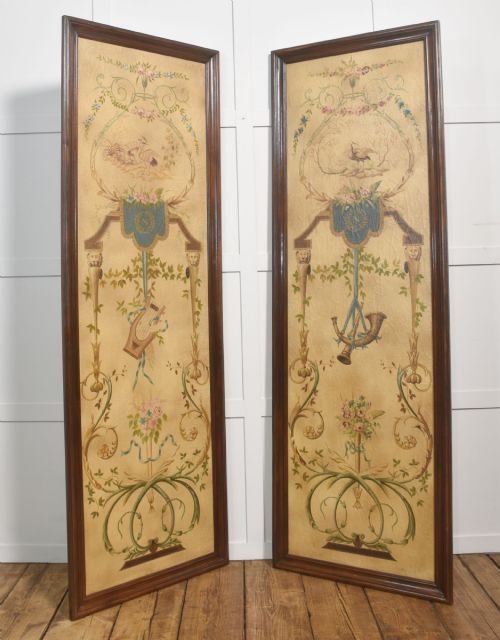
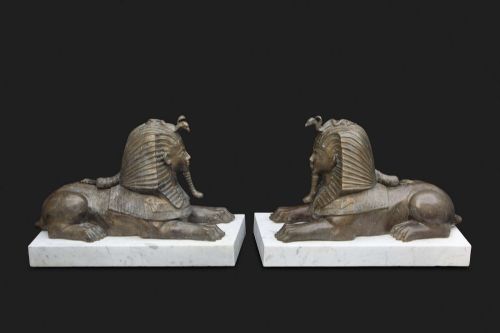
When you search for french empire decor, you are looking at items that draw directly on classical antiquity, Roman military campaigns, and Napoleonic triumph. The pieces available range from monumental bronze sphinx sculptures and marble-based candelabra to framed artwork and painted decorative panels.
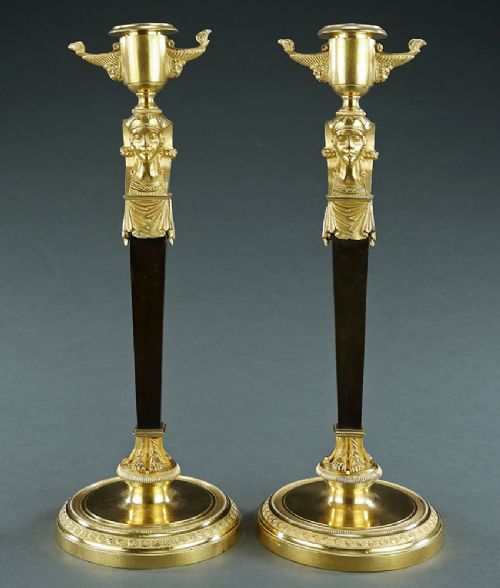
The version you are most likely to meet on this page is the pair of candlesticks or candelabra in bronze and ormolu, often paired with marble plinths. These items embody the Neoclassical taste that defined nineteenth-century interiors through symmetry, rigorous proportion, and mythological motifs.
How They Were Made
The manufacture of these objects relies heavily on the combination of cast metals, specifically patinated bronze and bright gilt ormolu, mounted on solid bases of marble or onyx. Artisans cast these components with careful attention to detail, creating sharp contrasts between dark metallic surfaces and polished golden highlights.
Beyond metalwork, the material palette extends to canvas for oil paintings, woven threads for tapestries, and turned wood for frames enclosing cast lead roundels. Each medium requires specific handling, from the precise casting of figures like caryatids and sphinxes to the careful mounting of decorative panels.
French Empire Decor Retail Price Guide 2026
Typical asking prices for french empire decor among the pieces listed under this phrase on Sellingantiques today, from the lower quarter to the upper quarter. They describe what is for sale here now, not the wider market.
Cupid and cherubs appear regularly in the painted panels and oil paintings, bringing an unexpected touch of romance to austere military bronze.
What Varies in Quality
The choice of supporting materials also sets the better examples apart, with genuine marble or onyx plinths providing stability and weight compared to lighter alternatives. Furthermore, the integration of distinct elements, such as patinated bronze paired with gilt bronze mounts, reveals the maker's discipline and control over the medium.
Jean Baptiste Isabey
The French Empire Decor Glossary
- Ormolu
- A method of applying finely ground high-carat gold to a bronze object using a mercury amalgamation process. This technique produces a warm, durable golden finish characteristic of the period.
- Patinated Bronze
- Bronze treated with chemical solutions to produce a dark, uniform surface colour. It provides a stark visual contrast against bright gilt ormolu mounts.
- Candelabra
- Branched lighting fixtures designed to hold multiple candles. They often feature sculptural shafts depicting classical figures, caryatids, or mythological deities.
- Tazza
- A shallow cup or vase set on a pedestal foot, used for decorative display. In this context, they are typically cast in gilt bronze with classical ornamentation.
- Grand Tour
- The nineteenth-century practice of travel through Europe undertaken by the wealthy to collect art and antiquities. Souvenirs from these journeys often reflect classical or Egyptian revival themes.
French Empire Decor: Frequently Asked Questions
What is french empire decor?
French empire decor comprises nineteenth-century objects and artworks influenced by classical antiquity and the Napoleonic era. These items draw heavily on Roman, Greek, and Egyptian motifs.
Typical forms include candelabra, bronze sculptures, paintings, and decorative panels designed to project formal dignity and historical gravity.
How were candelabra used?
Candelabra served both practical illumination and formal display purposes on mantelpieces, sideboards, and dining tables during the nineteenth century. Their multi-branched design allowed them to project significant candlelight.
Positioned on marble or onyx plinths, they acted as prominent architectural anchors within a room's decorative scheme.
How do I live with bronze pieces?
Living with heavy bronze and marble items requires stable placement on sturdy furniture capable of supporting considerable weight. They fit naturally into traditional or neoclassical interior layouts as focal points.
Maintenance involves gentle dusting with a dry cloth to protect the delicate boundaries between patinated surfaces and gilt highlights.
How do I identify egyptian revival pieces?
Egyptian revival pieces are distinguished by specific iconography such as sphinxes, pharaonic figures, and obelisk forms. These elements emerged strongly following Napoleon's campaigns in Egypt.
The inclusion of these motifs alongside classical bronze casting marks them out clearly from standard neoclassical designs.