



French Diamond Cluster
A french diamond cluster brings together brilliant central stones and meticulous historic settings that collectors prize for their timeless elegance.
French Diamond Cluster
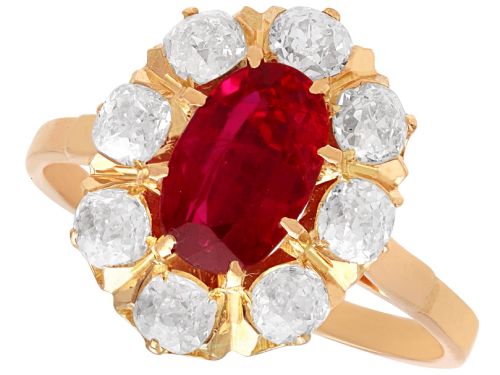
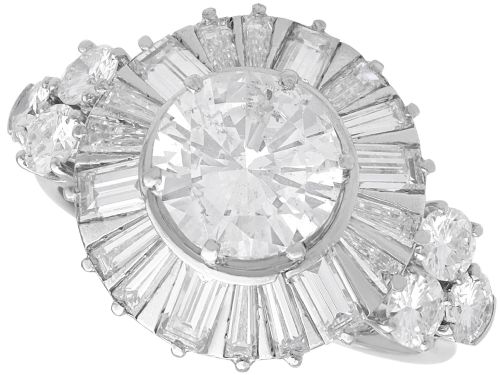
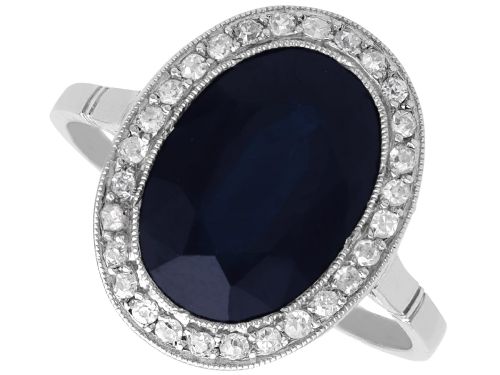
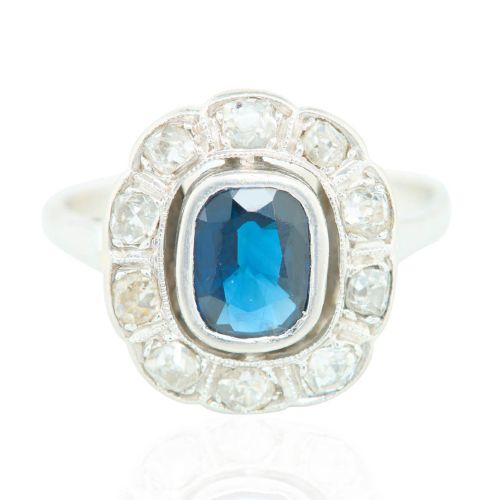
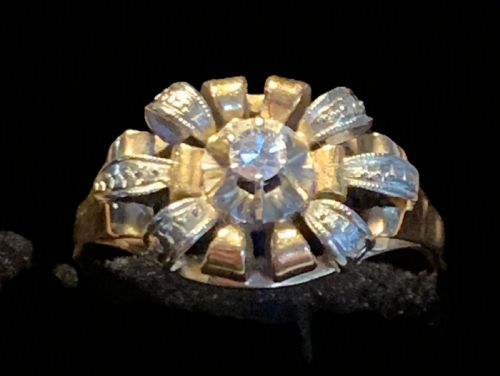
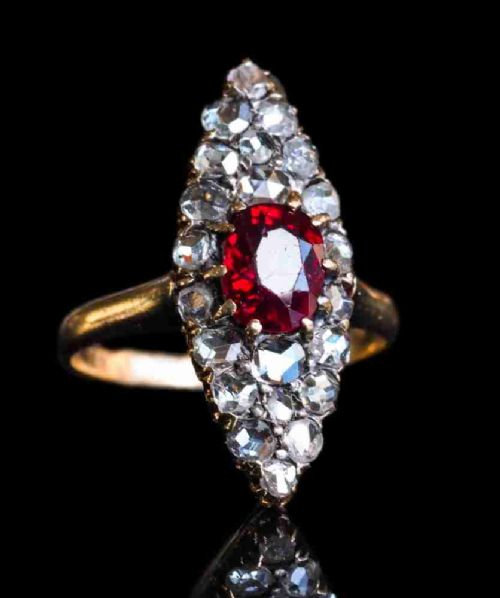
A french diamond cluster centres on a primary gemstone such as diamond, sapphire, ruby, emerald, or pearl, surrounded by smaller accent stones. These pieces span Victorian, Edwardian, Art Deco, and mid-century periods, capturing diverse historical aesthetics from delicate floral motifs to geometric lines.
Rings form the vast majority of these listings, alongside earrings, pendants, and brooches. The design relies on the contrast between the central gem and the encircling border, creating substantial visual impact on the hand or lapel.
How They Were Made
Goldsmiths utilised platinum and various carats of gold, including white, yellow, and rose variations, often combining metals in a single mount to showcase the stones effectively. Platinum gained widespread favour during the Edwardian and Art Deco periods for its strength in delicate, lace-like settings.
Craftsmen set old cut, rose cut, and brilliant cut diamonds alongside natural unheated sapphires, rubies, emeralds, and pearls. Hand-fabrication techniques allowed for precise claw, bezel, and pave settings that maximised light return through each gemstone.
French Diamond Cluster Retail Price Guide 2026
Typical asking prices for french diamond cluster among the pieces listed under this phrase on Sellingantiques today, from the lower quarter to the upper quarter. They describe what is for sale here now, not the wider market.
Dormeuses earrings were designed for sleeping comfortably without removing the jewels, ensuring the wearer woke sparkling.
What Varies in Quality
The distinction between tiers rests upon the natural origin, colour, and clarity of the central gem, especially when accompanied by certified unheated status for rubies or sapphires. Uniformity in the cut and match of the surrounding diamond cluster also determines the overall visual harmony.
The integrity of the metalwork and the originality of the setting dictate how well a piece survives through the decades. Delicate millegrain edges and pierced platinum galleries require exceptional bench skill to execute without losing structural fortitude.
The French Diamond Cluster Glossary
- Cluster ring
- A ring featuring a central gemstone encircled by a group of smaller stones. This arrangement maximises surface brilliance and creates the appearance of a larger single ornament.
- Old cut diamond
- A hand-faceted diamond cut before modern machinery standardised proportions. These stones display smaller tables and high crowns that catch candlelight beautifully.
- Navette ring
- A ring shape resembling a little boat, featuring an elongated pointed oval silhouette. This style sits lengthwise along the finger for an elegant, slender effect.
- Millegrain
- A decorative technique consisting of a row of tiny raised metal beads along the edges of a setting. It softens the transition from metal to stone with a textured border.
- Target ring
- A concentric cluster design featuring a central stone surrounded by contrasting rings of colour, often sapphire or emerald enclosed by diamonds. The geometric layers resemble an archery target.
French Diamond Cluster: Frequently Asked Questions
What periods do these pieces come from?
The inventory spans multiple historic eras, starting from Victorian and Edwardian times through to Art Deco and mid-century modern designs. Each period brings distinct metal choices and geometric or organic motifs.
Buyers encounter Edwardian platinum-topped gold, geometric Art Deco platinum platforms, and later twentieth-century interpretations.
How do I care for antique cluster jewellery?
Gentle handling preserves the delicate settings, thin shanks, and historic metalwork found in these pieces. Professional cleaning by a specialist ensures the stones remain secure in their original mounts.
Avoid harsh ultrasonic cleaners, especially when the piece contains pearls, emeralds, or closed-back foils.
Are the coloured stones natural?
Many listings feature natural unheated sapphires, rubies, and emeralds characteristic of fine antique jewellery production. Documentation sometimes accompanies specific pieces to confirm gem origin.
Checking individual descriptions reveals details regarding stone treatments and geological provenance.
Can these rings be resized?
Resizing depends on the construction of the shank and whether the shoulders feature intricate engraving or channel-set stones. A skilled jeweller examines the gallery and band to determine the feasibility of adjustment.
Pieces with continuous gallery work or delicate navette shapes require particular caution during any alteration.