


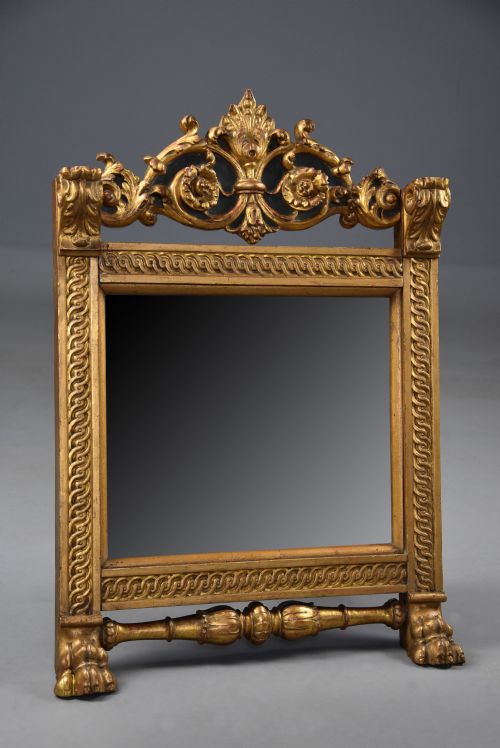


French Desk Stand
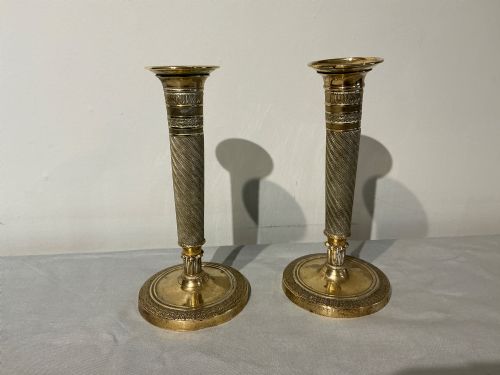
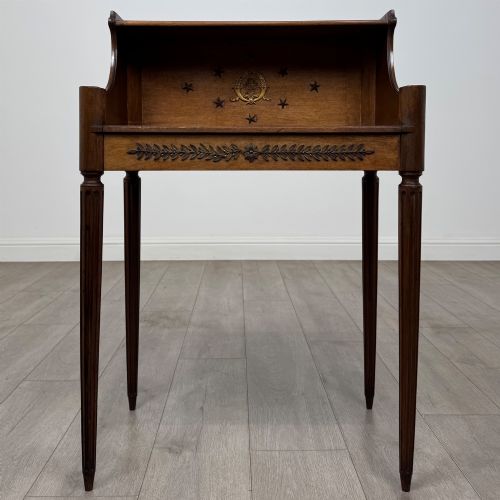
These french desk stand pieces bring tactile desk organisation into a room through cast metal and polished stone.
French Desk Stand
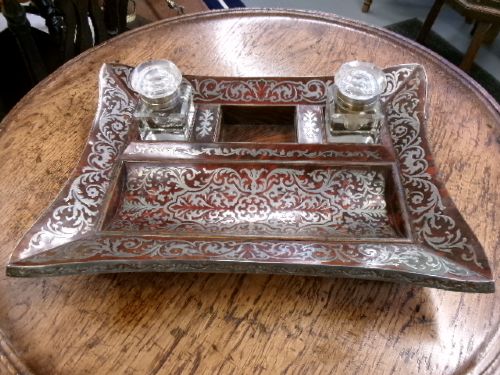
A french desk stand brings together inkwells, pen trays and paper storage in compact compositions of metal and stone. When you search for this phrase, you find desk accessories and inkstands originating from nineteenth-century workshops.
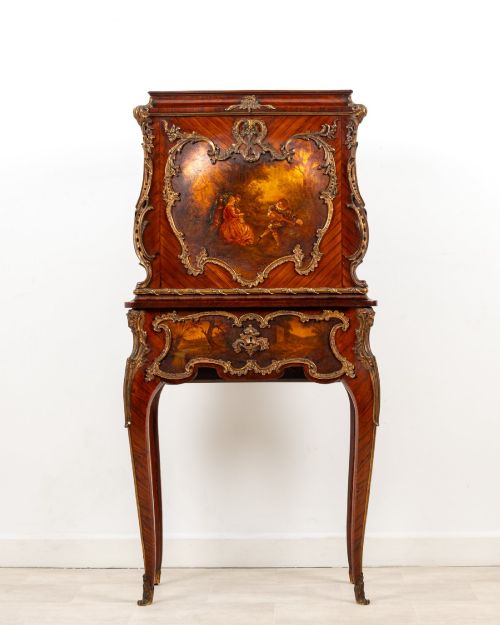
The objects span periods from mid-century Napoleon III items to later Art Nouveau copper and champlevé enamel pieces. You are most likely to encounter designs in brass, ormolu and marble intended for writing desks and reception tables.
Materials and Technique
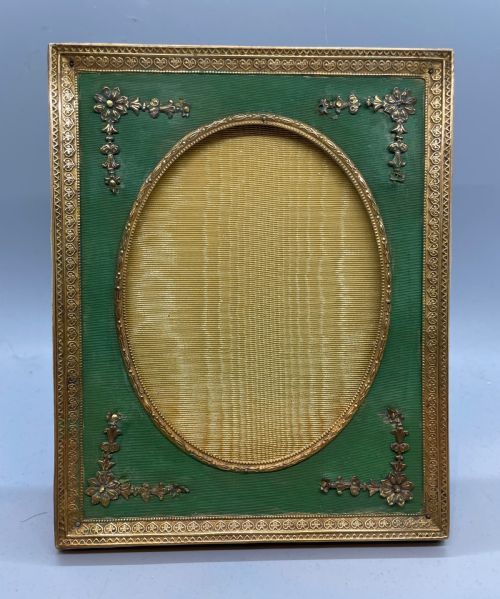
Foundry work dominates these pieces, utilising cast bronze, brass and ormolu alongside carved marble bases. Metal components are frequently gilded, chased or patinated to create contrast.
Makers integrated glass ink inserts, enamel details and Boulle work inlays into the structural frames. Cabinet timbers such as mahogany and rosewood occasionally form the primary chassis for fitted desk sets.
French Desk Stand Retail Price Guide 2026
Typical asking prices for french desk stand among the pieces listed under this phrase on Sellingantiques today, from the lower quarter to the upper quarter. They describe what is for sale here now, not the wider market.
Several desk stands feature miniature bronze lions guarding the ink, ensuring your morning correspondence comes with a small roar.
Distinctions in Execution
The refinement of the casting and chasing separates standard desk furniture from exceptional works. Crisp detailing in floral mounts, animal figures or architectural bezels indicates superior foundry skill.
Material selection also dictates standard: dense natural marble bases paired with heavy fire-gilded bronze outweigh lighter cast brass items with surface-applied coatings.
Albert Marionnet·Lebegue & Cie·J. Forest
The French Desk Stand Glossary
- Ormolu
- Gilded bronze produced by applying a mercury-gold amalgam to cast metal and heating it until the mercury vaporised. This historic fire-gilding technique yields a warm, lasting lustre.
- Champlevé
- An enamelling technique where troughs or cells are hollowed out of a metal surface and filled with vitreous paste before firing. The resulting design sits flush with the surrounding metal partitions.
- Boulle work
- Marquetry consisting of tortoiseshell and brass inlaid in contrasting patterns, named after the cabinetmaker André-Charles Boulle. It appears on decorative panels of nineteenth-century desk accessories.
- Patinated bronze
- Metal treated with chemical solutions to darken or colour the surface deliberately. This process highlights relief details on sculptural inkstands.
French Desk Stand: Frequently Asked Questions
How were inkstands used?
Inkstands provided a secure, central station for dipping quill or steel nib pens into liquid ink without spilling. The attached wells held wet ink while open, and lids protected the contents from drying.
They sat upon writing tables alongside matching letter racks, blotters and sanders. Owners kept them within arm reach during correspondence.
How do I date a desk stand?
Dating relies on stylistic clues, materials and manufacturing techniques visible across the piece. Mid-nineteenth-century items often display Napoleon III, Empire or Rococo Revival motifs in heavy bronze and marble.
Later examples transition into Art Nouveau curves using copper and champlevé enamel. Maker signatures or foundry stamps cast into the metal also help narrow the production era.
How do I maintain marble and bronze?
Maintenance requires dry dusting with a soft microfibre cloth to remove particulate matter from intricate chasing and stone surfaces. Avoid liquid cleaners, polishes or abrasive pads that strip original patination or damage gilded layers.
Marble benefits from occasional wiping with a damp cloth followed by immediate drying. Metal components should remain untouched by chemical sprays.