

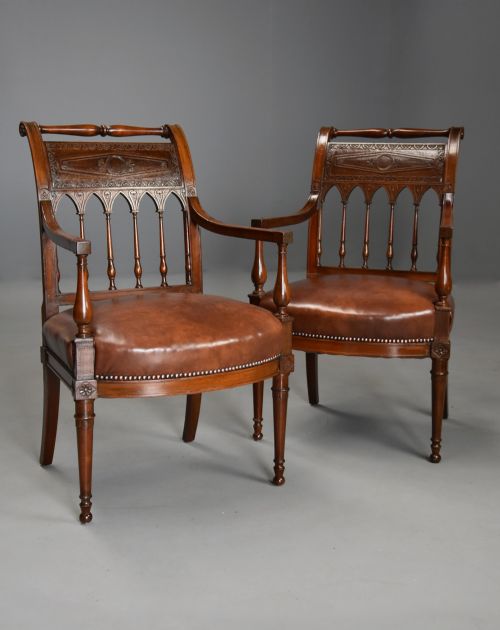


French Desk Armchair
A French desk armchair brings continental elegance and practical comfort to a workspace, combining supportive armrests with a compact footprint.
French Desk Armchair
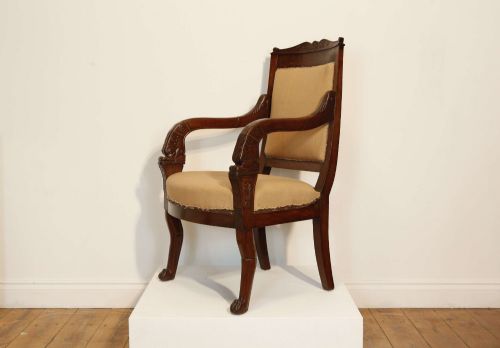
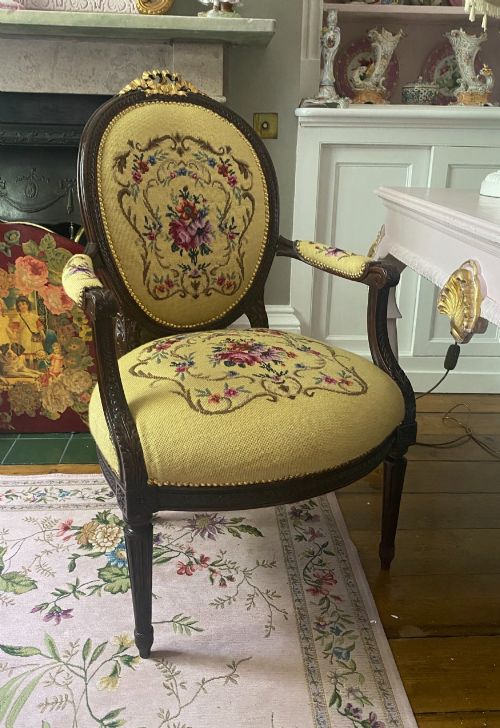
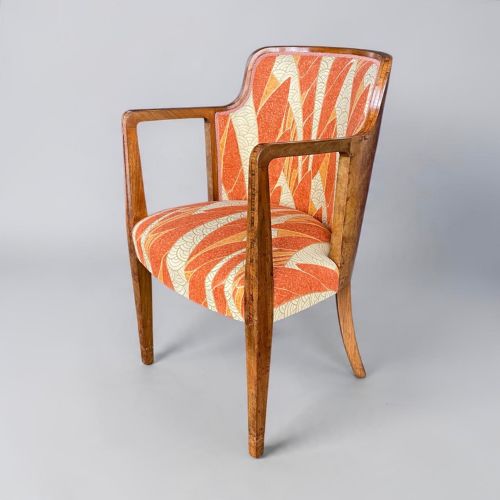
A french desk armchair bridges the gap between formal salon seating and functional workspace furniture, offering supportive arms alongside a lower profile suited for writing tables. These pieces emerge primarily from the nineteenth century, drawing heavily on classical French design idioms such as Louis XV curves, Louis XVI restraint, and Empire grandeur.
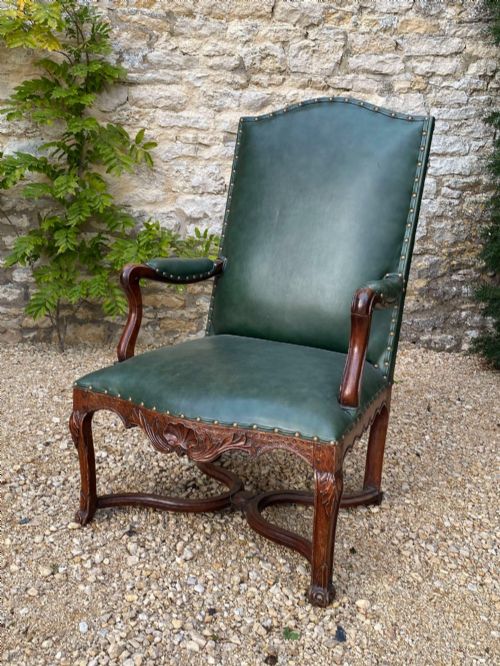
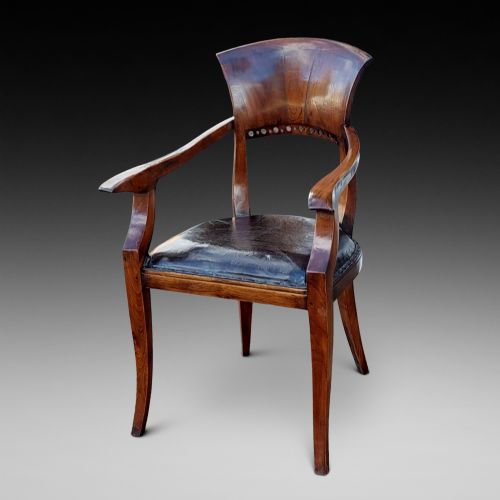
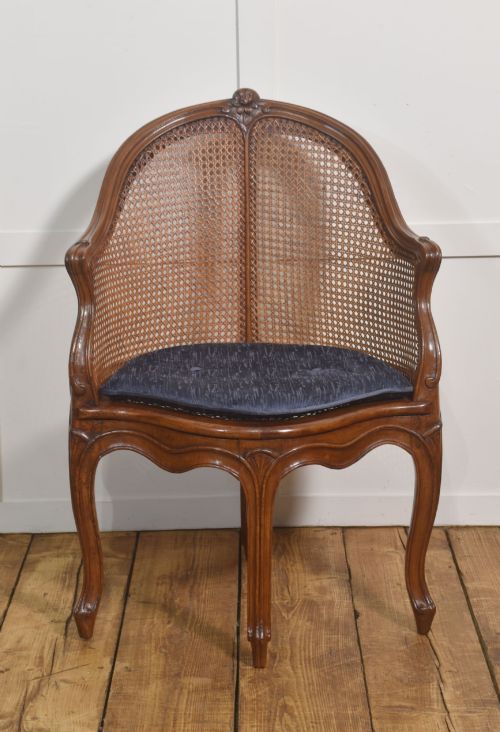
The versions most frequently encountered on this page span walnut, mahogany, and fruitwood frames, often styled in the provincial or revival aesthetics popular across European workshops. Buyers also encounter cane-seated tub chairs and leather-upholstered library variants designed specifically for extended periods of reading or correspondence.
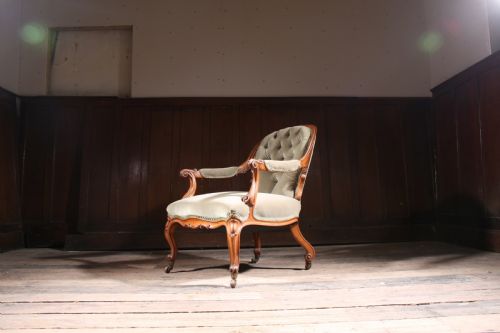
Regional interpretations range from rustic elm country models to giltwood open armchairs carved with elaborate floral motifs. Each iteration maintains the essential ergonomic pitch required for daily use at a partner desk or Davenport.
Materials and construction
Cabinetmakers constructed these frames using dense timbers like mahogany, walnut, oak, and fruitwood, selected for their structural integrity under daily weight. Joints relied on traditional mortise and tenon techniques, ensuring long-term durability without modern mechanical fasteners.
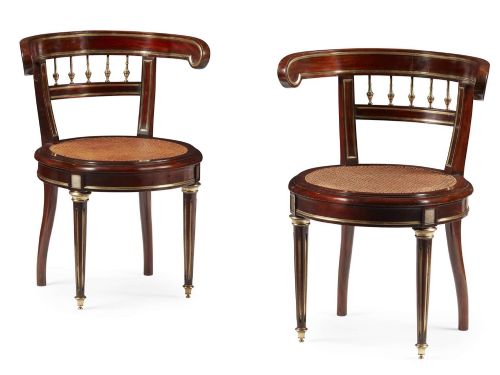
Upholstery methods involved horsehair and wool stuffing secured over webbing, finished with leather, fabric, or cane panels depending on the intended function of the chair. Ormolu mounts, giltwood highlights, and brass details provided ornamental contrast against the polished wood surfaces.
French Desk Armchair Retail Price Guide 2026
Typical asking prices for french desk armchair among the pieces listed under this phrase on Sellingantiques today, from the lower quarter to the upper quarter. They describe what is for sale here now, not the wider market.
Markers of distinction
The depth and crispness of hand-carving separate standard production pieces from exceptional workshop commissions, particularly in the rendering of acanthus leaves and scroll arms. Fine joinery remains tight and flush, whereas lesser examples show excessive filler or loose frame joints over time.
Materials dictate the upper tier of the range, where figured walnut or fire-gilt ormolu mounts indicate higher status and greater initial cost. The survival of original leather surfaces or intact cane work also elevates the standing of an individual piece.
Blaise Maucuy·Louis Majorelle
The French Desk Armchair Glossary
- Fauteuil
- An open-framed armchair with upholstered back and armrests, typical of French seating design from the seventeenth century onward. These chairs leave the wooden sides exposed to showcase fine carving.
- Bergère
- A closed armchair featuring upholstered sides filled in with cane or fabric, offering a more enclosed and cushioned seat. They often include a loose down-filled seat cushion for added comfort.
- Ormolu
- Gilded bronze ornamentation applied to furniture frames, particularly prominent in Empire and revival styles. This decorative technique adds metallic lustre against dark mahogany and walnut bodies.
- Caning
- Woven rattan material used for seat panels and backrests to provide a resilient, breathable surface. It appears frequently on lighter library and desk chairs.
- Patination
- The natural sheen and softening of colour developed on wood and leather surfaces through age and handling. Good patination reflects decades of careful maintenance and use.
French Desk Armchair: Frequently Asked Questions
Can I use a antique armchair at a modern desk?
Many period armchairs fit standard desk heights, provided you check the clearance beneath the writing surface.
Their compact proportions often make them more practical than bulky modern office chairs.
How do I identify a French empire desk chair?
Empire pieces typically feature heavy mahogany construction, restrained classical geometry, and cast bronze ormolu mounts.
Their silhouettes emphasise architectural dignity rather than flowing Rococo curves.
Are cane seats durable for daily work?
Traditional hand-woven cane provides surprising resilience and flex for daily seating when properly tensioned.
Keeping the material lightly hydrated prevents brittleness over years of office use.
What is the difference between provincial and revival styles?
Provincial chairs originate from regional French makers who simplified metropolitan designs using local woods like fruitwood and elm.
Revival pieces date to later periods when makers intentionally copied earlier Louis or Empire aesthetics.