





French Decorative Tray
A french decorative tray brings refined metalwork, glass and porcelain to a surface, offering both utility and a distinct period aesthetic.
French Decorative Tray
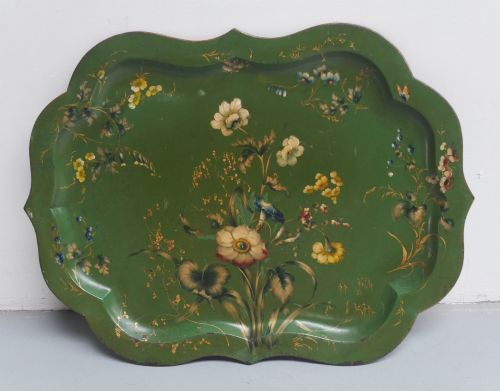
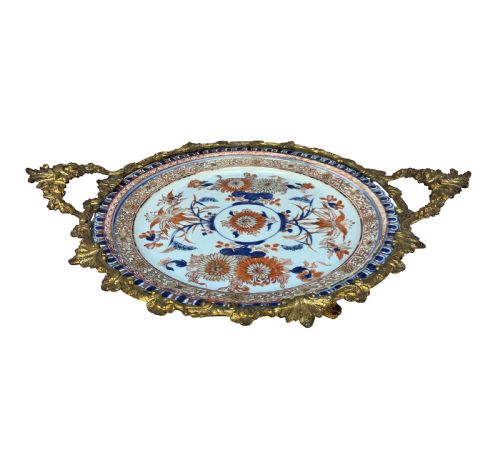
A french decorative tray encompasses diverse forms ranging from 18th century porcelain plates with metal mounts to mid-century silver plated designs and moulded glass pieces. Buyers seeking a french decorative tray will encounter centrepieces, trinket dishes and lacquered or tole ware items spanning multiple centuries.
How they were made
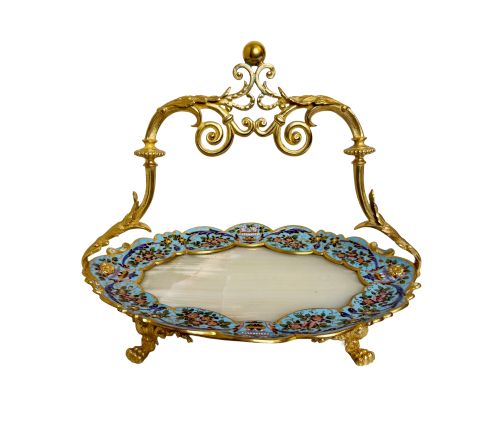
Maker workshops utilised bronze, brass and silver plate for structural mounts, often applying gilding or ormolu finishes to metal surfaces. Enamelling techniques, notably champleve, added vibrant colour and intricate pattern work to frames and bases.
Glass production involved opalescent glass and moulded techniques seen in pieces by prominent designers, while ceramic elements combined hard paste porcelain with hand-painted or transfer-printed details.
French Decorative Tray Retail Price Guide 2026
Typical asking prices for french decorative tray among the pieces listed under this phrase on Sellingantiques today, from the lower quarter to the upper quarter. They describe what is for sale here now, not the wider market.
Some heavy bronze centrepieces weigh up to four kilograms, ensuring they stay firmly anchored during lively nineteenth-century dinner parties.
What varies in quality
Quality rests upon the crispness of the casting in metal mounts and the depth of the chasing on bronze and ormolu elements. Superior examples demonstrate secure integration between ceramic bodies or glass plates and their metal frameworks.
The precision of the enamelling work and the clarity of moulded glass details distinguish finer items from standard production pieces.
Hermes Paris·Rene Lalique·Christofle Paris·Maria Pergay·Louis Pierre Malpass
The French Decorative Tray Glossary
- Ormolu
- Gilded bronze, where finely ground high-carat gold is applied to a bronze base using mercury. This technique creates a rich, durable golden finish characteristic of decorative metalwork.
- Champleve Enamel
- A technique where troughs or cells are hollowed out in the metal surface and filled with vitreous enamel before firing. The resulting design sits flush with the metal partitions.
- Opaline Glass
- An opaque or semi-translucent glass developed in France, frequently tinted in soft colours such as green or white. It gained popularity during the nineteenth century for decorative tablewares.
- Vide Poche
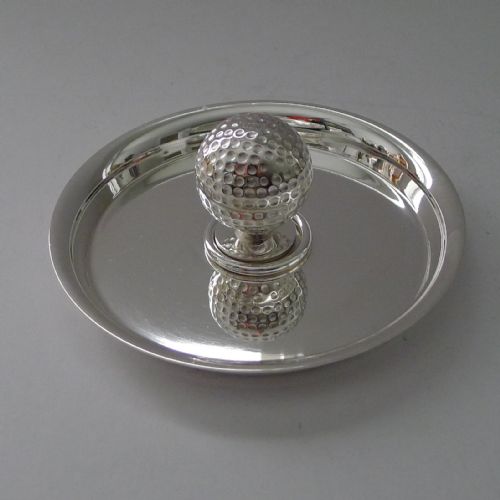
- Literally translating to empty pocket, this is a small tray or dish placed in a hallway or living space to hold loose items like keys or coins. They appear in silver plate and porcelain.
- Tole Ware
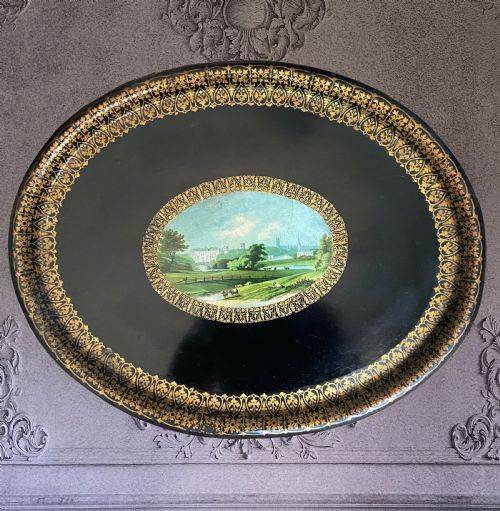
- Lacquered or enamelled sheet metal items produced in various European centres. These pieces often feature painted or gilt decoration on dark backgrounds.
French Decorative Tray: Frequently Asked Questions
What is a vide poche used for?
A vide poche serves as a small receptacle for emptying pockets of everyday items upon entering a room.
Historically placed in hallways or dressing areas, these trays kept small personal belongings organised and secure.
How do I identify Art Deco trays?
Art Deco pieces typically display geometric motifs, clean lines and stylised moulded glass or streamlined metal plating.
Look for symmetrical patterns and materials such as opalescent glass and silver plate dating from the early decades of the twentieth century.
What distinguishes ormolu from brass?
Ormolu consists of cast bronze treated with a genuine gold amalgam layer, yielding a warm, deep lustre.
Brass is a copper and zinc alloy without the gold surface layer, appearing paler and more brassy in tone.
How should I clean opalescent glass?
Opalescent glass requires gentle cleaning with lukewarm water and a mild detergent to protect the delicate surface.
Avoid abrasive cloths or harsh chemical cleaners that might scratch the translucent finish.