

French Cut Glass
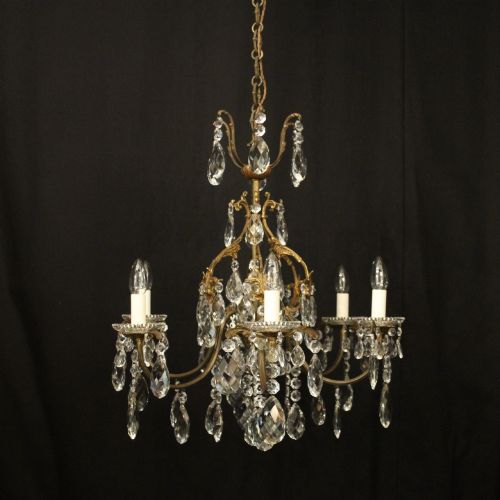
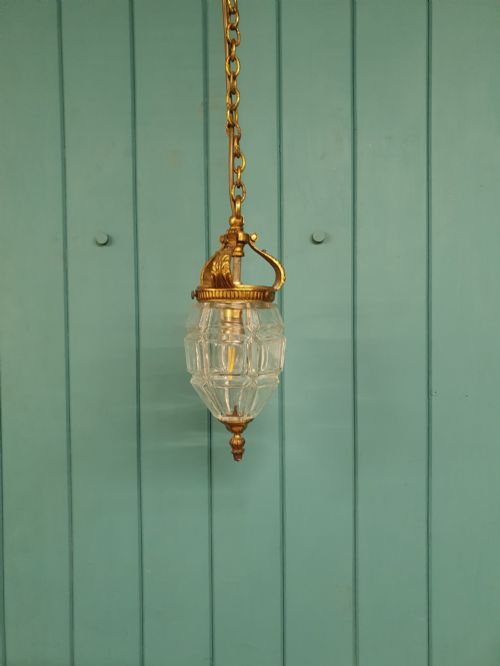
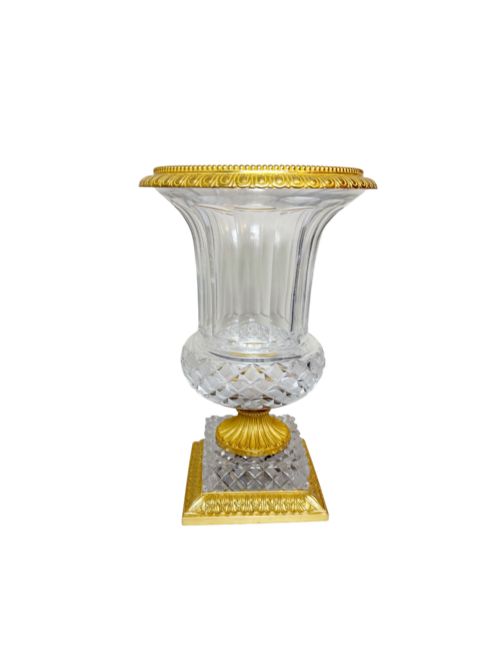
French cut glass brings heavy crystal chandeliers, gilt bronze centrepieces, and delicate stemware into a room with genuine weight.
French Cut Glass
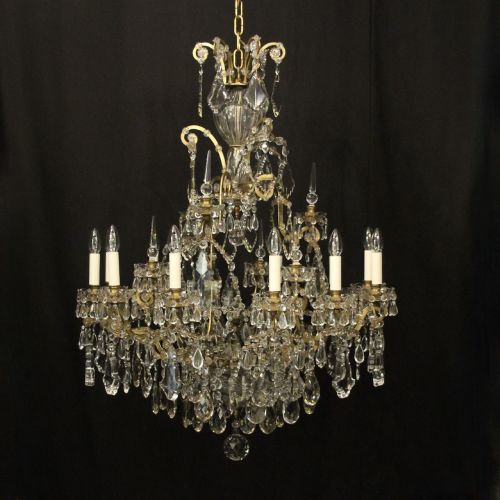
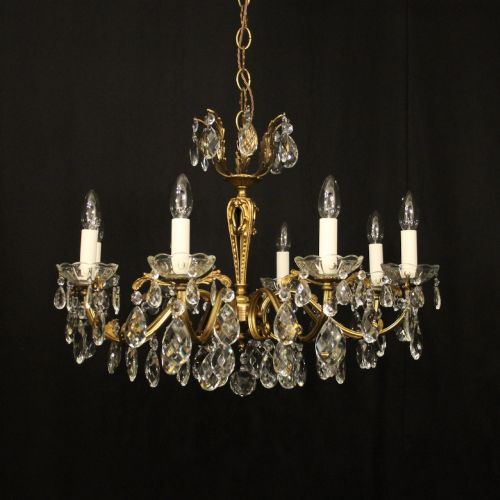
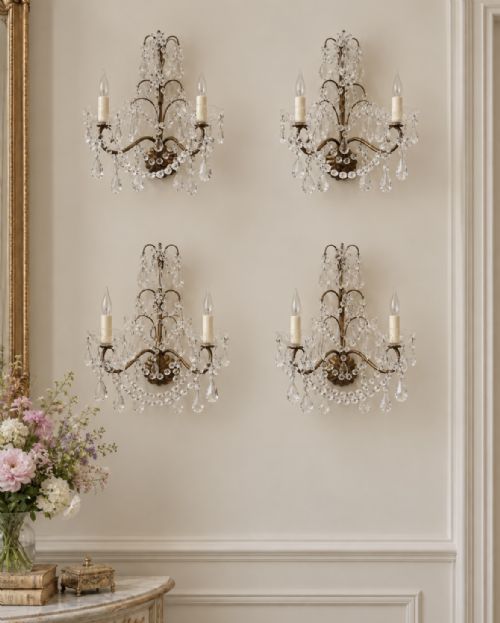
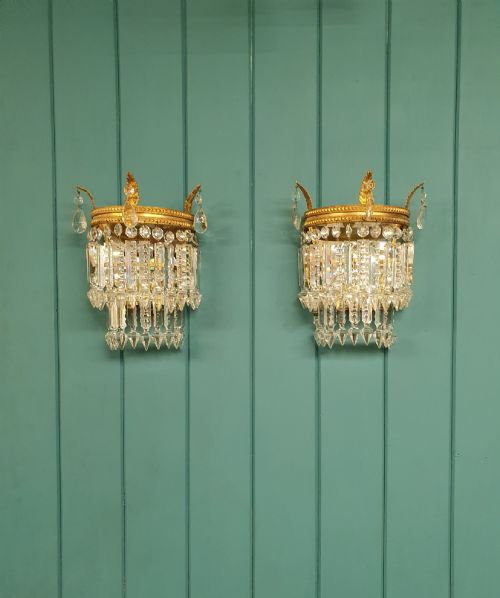
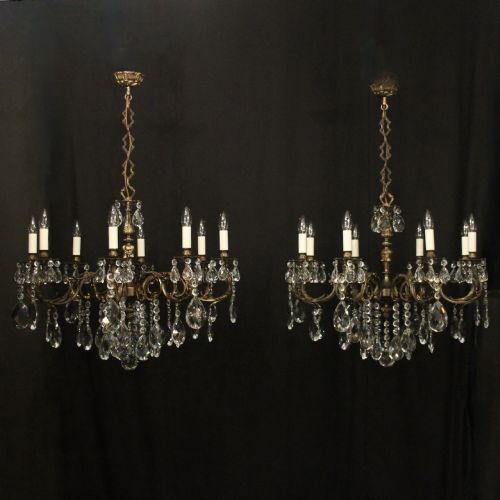
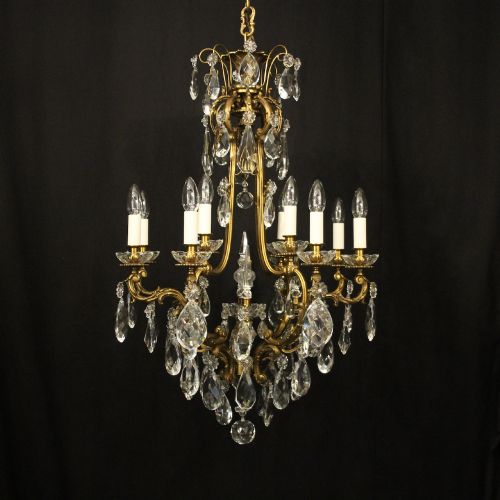
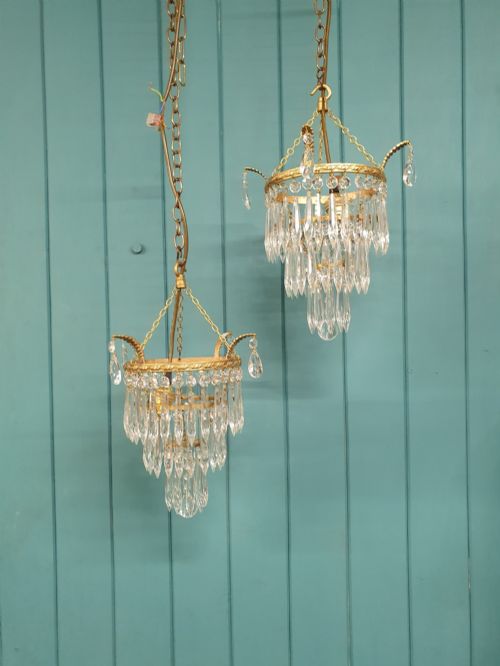
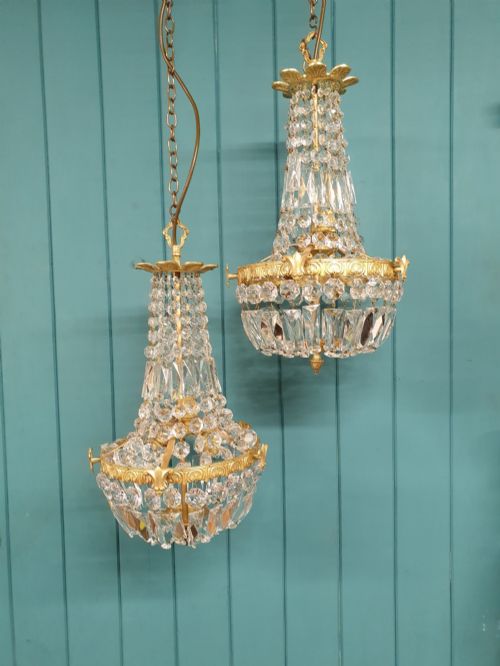
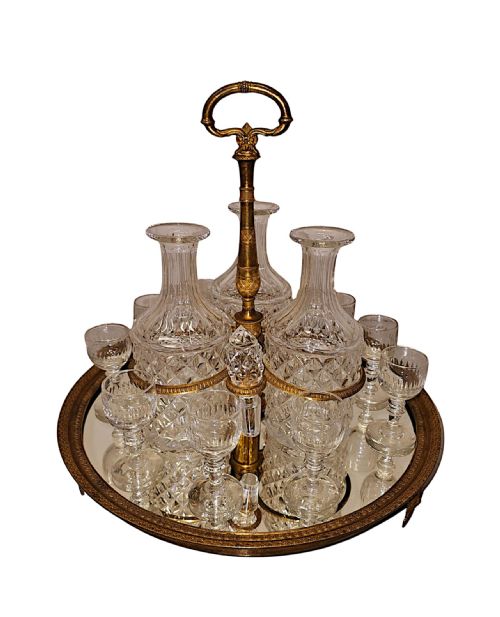
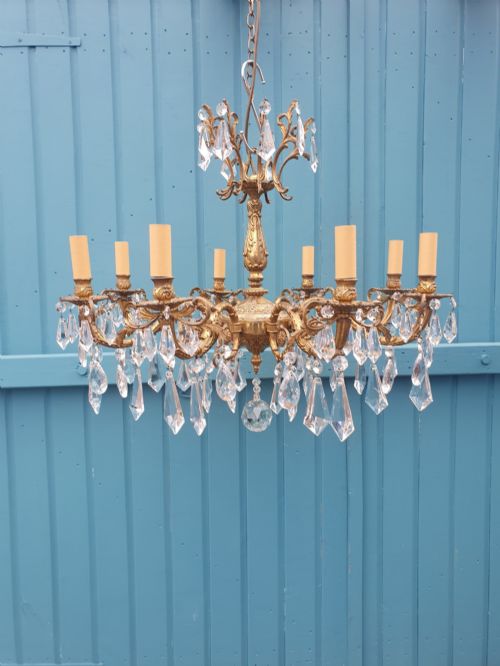
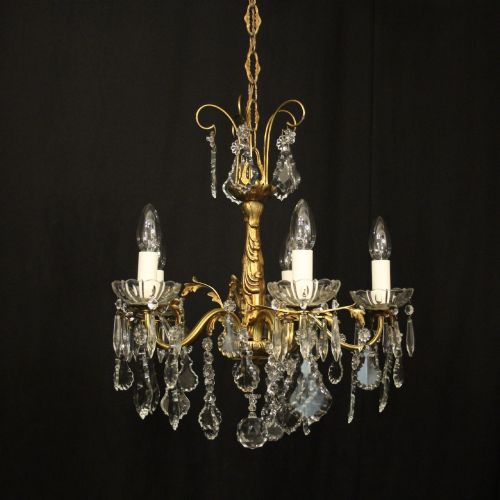
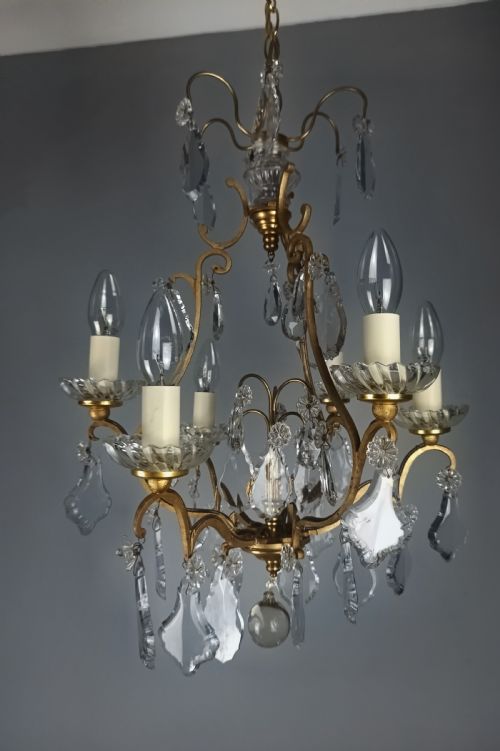
When you search for french cut glass, you encounter objects primarily spanning the late nineteenth century through to the Art Deco period of the 1930s. These pieces include elaborate multi-tier chandeliers, wall sconces, table glassware, and gilt-mounted boxes.
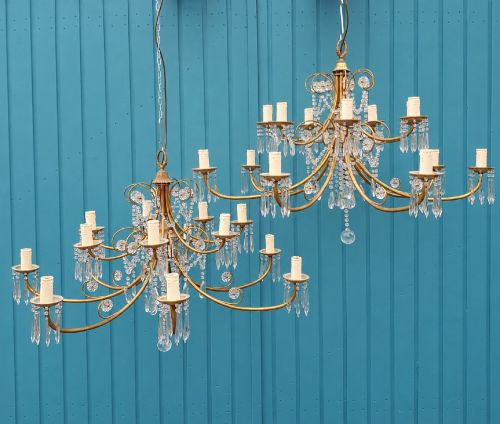
The most common forms on this page are chandeliers and wall lights outfitted with crystal drops, alongside tabletop items like wine glasses, liqueur sets, and centrepieces. They stem from French chateau and revivalist design traditions.
Makers such as Baccarat appear among the glassware, while larger lighting and decorative items typically reflect styles ranging from French Empire to Art Nouveau and Rococo Revival.
How They Were Made
Makers combined heavy lead crystal and cut glass with structural mounts of gilt bronze, brass, or ormolu to construct these items. Metalwork frames were cast, chased, and gilded before being hung with hand-cut crystal drops and spikes.
Glass production relied on precise wheel-cutting techniques to create deep facets and prismatic patterns on lead crystal and amber glass. Metal fittings frequently utilised bolted construction to support the considerable weight of the glass components.
French Cut Glass Retail Price Guide 2026
Typical asking prices for french cut glass among the pieces listed under this phrase on Sellingantiques today, from the lower quarter to the upper quarter. They describe what is for sale here now, not the wider market.
Materials across these items include lead crystal, cut glass, gilt bronze, brass, ormolu, and porcelain flowers.
What Varies in Quality
The distinction between tiers of quality rests in the density of the crystal, the crispness of the wheel-cut facets, and the casting depth of the metal mounts. Superior pieces possess sharp, clean cuts that refract light intensely without cloudiness in the glass mass.
Heavier chased ormolu and gilt bronze mounts indicate better workshops than thin stamped brass. The completeness and uniformity of the matching crystal drops also separate standard production items from fine salon pieces.
Baccarat
The French Cut Glass Glossary
- Lead crystal
- Glass containing lead oxide, which increases weight, brilliance, and softness for deep cutting.
- Ormolu
- Gilt bronze created by applying a mercury-gilding amalgam to cast bronze, common in French mounts.
- Tent chandelier
- A lighting form featuring strings of crystal beads rising to a crown above the central arms.
- Candelabra
- A branched candlestick or holder designed for multiple candles, often fitted with hanging lustres.
- Cave à liqueur
- A fitted wooden or metal box containing decanters and matching glasses for serving liqueurs.
French Cut Glass: Frequently Asked Questions
How do I hang a heavy antique chandelier?
These chandeliers require direct suspension from a structural ceiling joist using an iron hook capable of supporting the combined weight of the metal frame and lead crystal.
Electrical wiring must be threaded through the centre spindle during installation by a qualified professional familiar with historic fixtures.
How do I clean cut glass crystal?
Wash the removable crystal drops in lukewarm water with a mild dish detergent, then rinse them thoroughly and dry them with a lint-free cloth.
Leave the metal frame hanging in place and wipe it gently with a dry cloth to avoid damaging the antique gilding on the bronze or brass.
How do I date a French crystal piece?
Examine the mounting hardware, screw types, and wiring channels to determine the manufacturing era, comparing them against Edwardian and Art Deco standards.
Maker marks, etched signatures on the glass, and stylistic cues like Art Nouveau curves also help narrow down the production decade.