



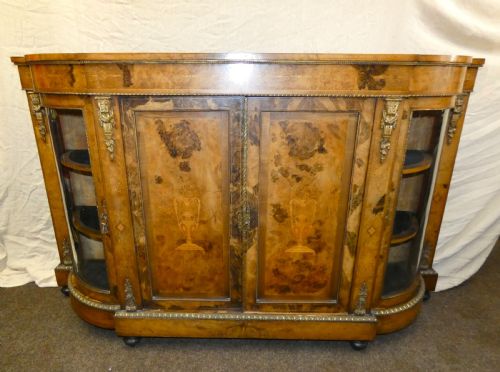
French Curved Glass Cabinet
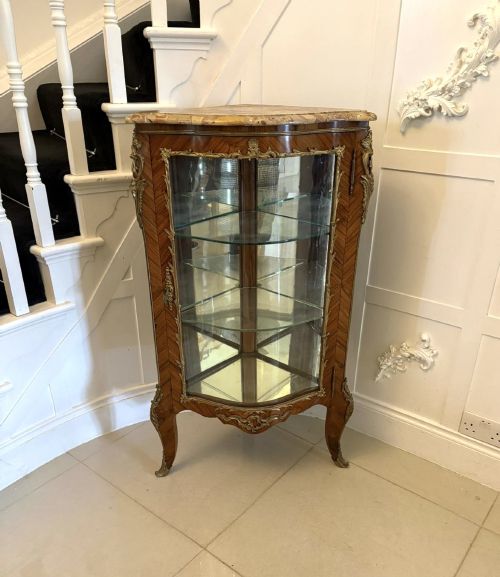
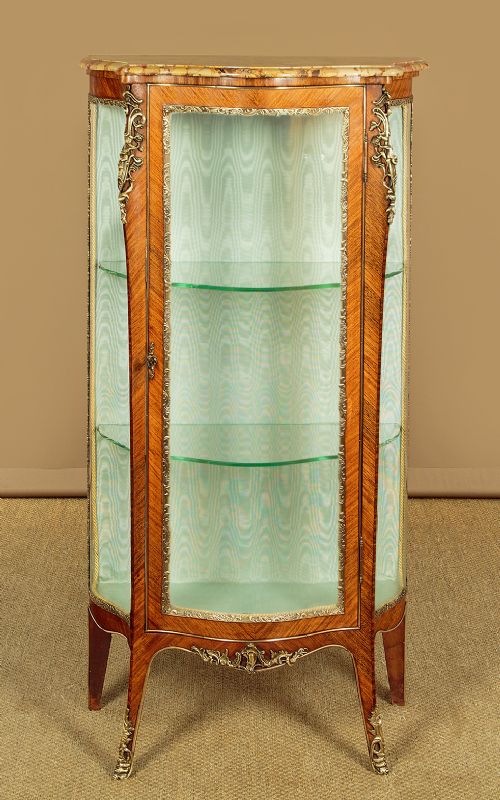
A french curved glass cabinet brings the elegance of nineteenth-century display furniture into a room to hold treasured porcelain and small objects.
French Curved Glass Cabinet
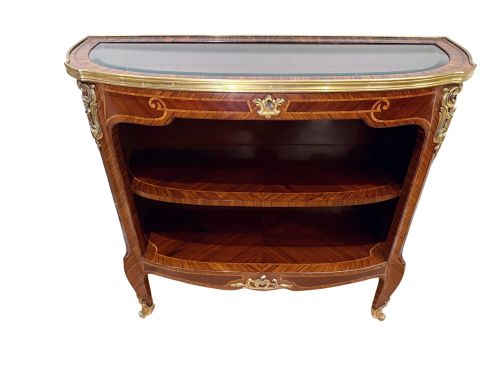
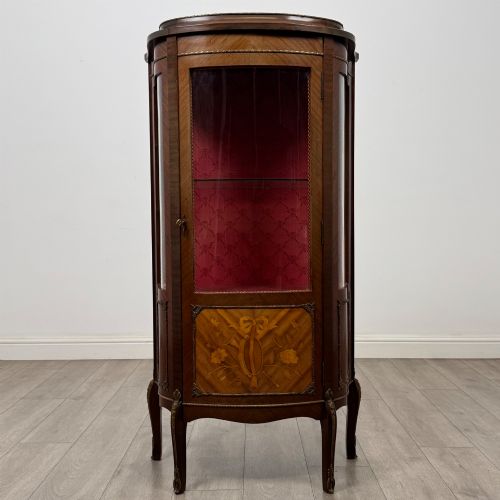
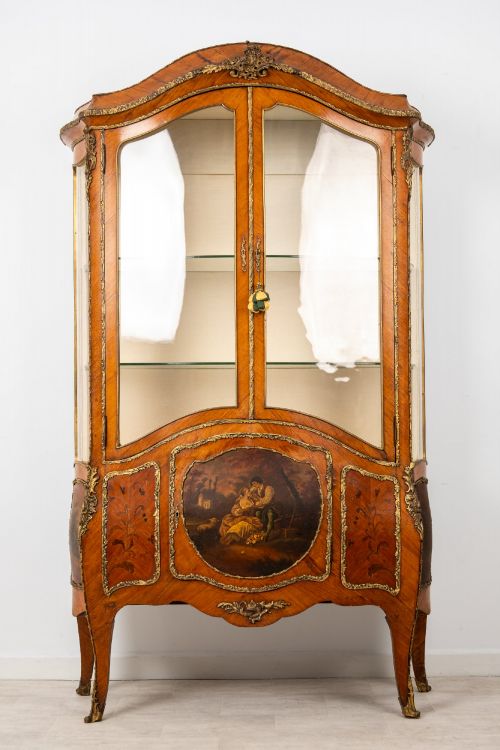
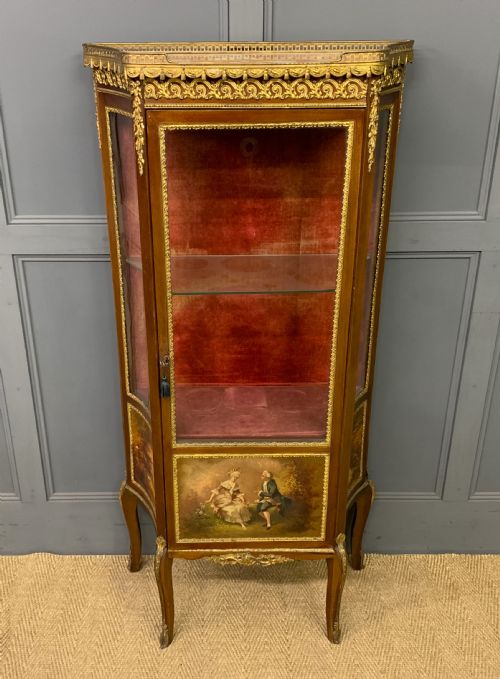
A french curved glass cabinet encompasses sophisticated display pieces designed to showcase collections behind shaped windows. Buyers searching for a french curved glass cabinet often encounter vitrines, credenzas, and side cabinets originating from the nineteenth century.
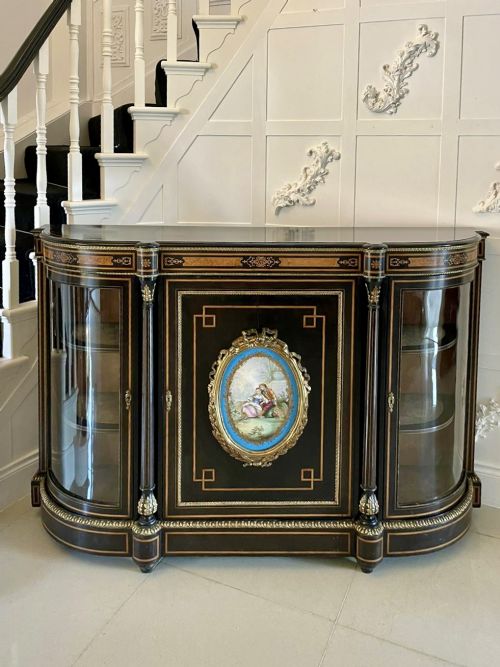
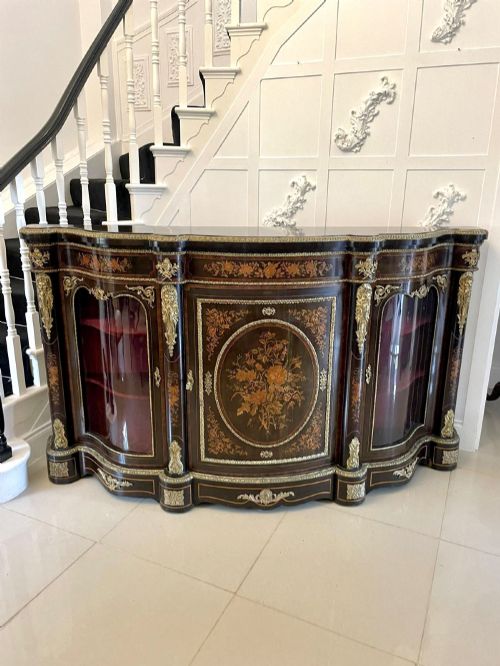
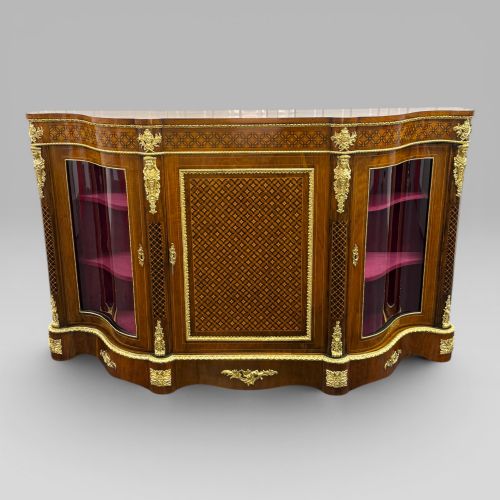
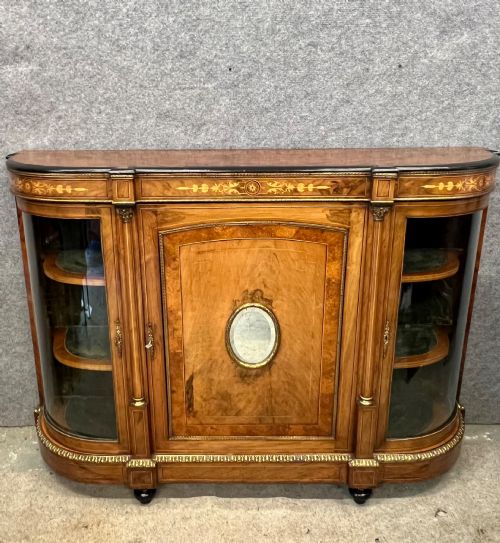
The selection ranges from compact vitrines to substantial credenzas featuring serpentine fronts and marble tops. Pieces span from the mid-nineteenth century through the Edwardian era, reflecting prominent revival styles.
Makers drew inspiration from Louis XV and Louis XVI designs, producing ornate sideboards and display stands with distinctive bowed glazing. These items serve primarily as focal points in drawing rooms and reception spaces.
Materials and construction
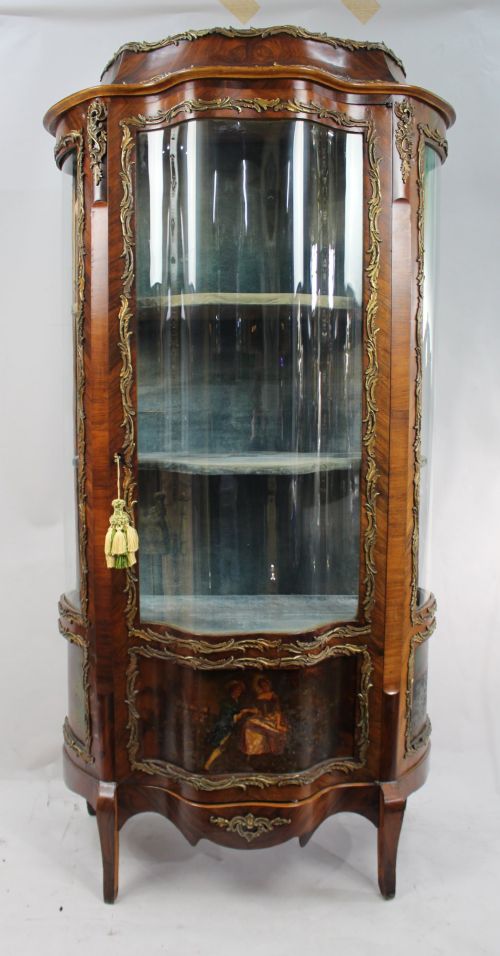
Cabinetmakers utilised timber carcasses of walnut, burr walnut, kingwood, mahogany, and ebonised wood as foundations for intricate floral marquetry and parquetry. Selected pieces incorporate decorative panels painted in the manner of Vernis Martin.
Gilt bronze ormolu mounts provide structural accentuation along corners, friezes, and feet, framing the polished glass doors. Marble slabs frequently form the upper surfaces of credenzas and display cabinets.
Bending glass for doors and side panels required specialised heating techniques to achieve smooth, continuous curves without distortion. Joinery relied on traditional cabinetmaking methods to support heavy stone tops and metal mounts.
Several cabinets feature serpentine glass curved with such precision that objects inside appear gently magnified to anyone walking past.
Craftsmanship and detail
Quality rests upon the precision of the timber veneers, the crispness of the cast ormolu mounts, and the clarity of the curved glass panels. Superior examples exhibit seamless marquetry inlay and well-balanced proportions across serpentine profiles.
The intricacy of hand-chiselled ormolu detailing distinguishes finer cabinets from standard production pieces. Futhermore, original marble tops and intact Vernis Martin painted panels elevate the standing of a cabinet within its period style.
Maison Gagneau·François Linke·Paul Sormani
The French Curved Glass Cabinet Glossary
- Ormolu
- Gilded bronze mounts applied to furniture for decorative enrichment. These mounts frame glass panels and accentuate the contours of revival cabinets.
- Credenza
- A low side cabinet or sideboard designed for display and storage. Nineteenth-century examples often feature central glass doors flanked by curved side compartments.
- Vitrine
- A glass-fronted display cabinet intended for exhibiting porcelain and curiosities. The form frequently incorporates bowed or curved side glass.
- Marquetry
- Decorative patterns created by fitting different wood veneers together onto a carcass. Floral motifs are common in Victorian and French revival pieces.
- Vernis Martin
- A type of simulated Japanese lacquer developed in France during the eighteenth century. Cabinets from later periods imitate this finish on lower decorative panels.
French Curved Glass Cabinet: Frequently Asked Questions
How do I clean the glass safely?
Use a soft microfiber cloth and a mild glass cleaner sprayed onto the cloth rather than directly onto the cabinet. This prevents excess moisture from reaching vintage wood veneers and delicate ormolu mounts.
Avoid abrasive materials that might scratch the antique glass panes or damage the surrounding polished timber frame during routine maintenance.
Can shelves inside be adjusted?
Most period display cabinets feature fixed wooden or glass shelving supported by internal brackets. Altering shelf heights is rarely straightforward in antique pieces due to original construction methods.
Buyers should verify interior vertical clearances to ensure specific collection items will fit comfortably within the cabinet compartments.
Are marble tops removable?
Marble tops on credenzas and cabinets usually rest on the wooden carcass secured by their own weight or traditional adhesives. They are heavy slabs intended to stay in place during normal placement.
Moving the furniture requires caution, and lifting the marble separately helps reduce overall weight and prevents accidental damage to the surrounding veneer.
What styles dominate these cabinets?
Victorian and French revival aesthetics predominate, particularly Louis XV and Louis XVI design influences. These styles emphasise curved serpentine fronts, floral marquetry, and classical gilt mounts.
Such decorative elements reflect nineteenth-century preferences for ornate Continental furniture craftsmanship adapted for British and European homes.