

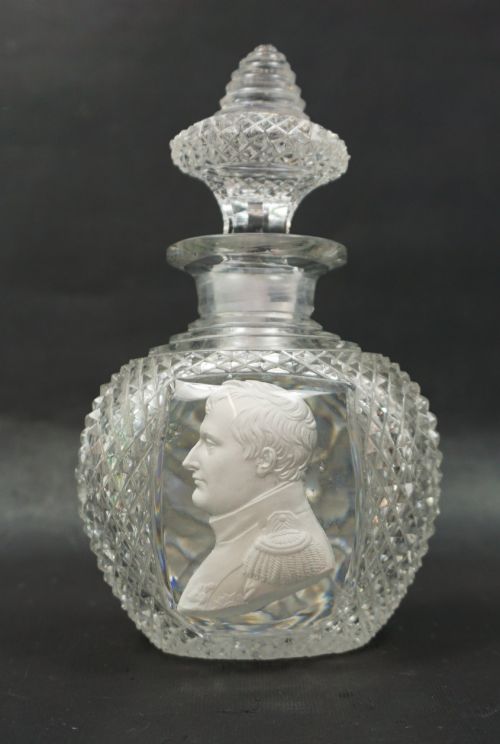


French Crystal Scent Bottle
These French crystal scent bottle examples span the nineteenth century to the art deco era, offering dressing table elegance and fine glass craftsmanship.
French Crystal Scent Bottle
A french crystal scent bottle serves as a decorative receptacle for perfume, ranging from simple glass vials to elaborate examples housed within fitted caskets. The pieces available here encompass various historical periods including the nineteenth century, Charles X, French Restoration, Napoleon III, and the twentieth-century art deco movement.
Forms extend beyond standalone bottles to include atomisers, perfume caskets containing multiple vessels, and gilt bronze-mounted glass barrels on stands. Materials frequently combine moulded glass, lead crystal, and standard glass with mounts of sterling silver, silver gilt, gold, brass, and guilloche enamel.
Origins trace back to French workshops, houses, and notable makers such as Rene Lalique, Baccarat, and Sabino. Buyers encounter items defined by distinct stylistic movements from the 1800s through the 1930s.
Materials and production methods
Makers utilised clear crystal, moulded glass, and opalescent glass, occasionally applying red staining or sulphide portraits to achieve distinctive visual effects. The body of the vessel is formed through glass-blowing or moulding techniques.
Metalwork components such as silver, silver gilt, gold, and bronze mounts were cast, chased, or engraved to secure the tops and necks. Additional decorative elements include guilloche enamel panels and silk linings within the caskets.
French Crystal Scent Bottle Retail Price Guide 2026
Typical asking prices for french crystal scent bottle among the pieces listed under this phrase on Sellingantiques today, from the lower quarter to the upper quarter. They describe what is for sale here now, not the wider market.
Listings span periods from 1800 through the art deco 1930s, featuring glass, crystal, enamel, and bronze.
Assessing quality in the collection
Quality reveals itself through the clarity of the crystal, the crispness of moulded or etched motifs, and the weight of the glass body. Superior examples display precise detailing in sulphide portraits, opalescent finishes, and stained highlights.
The standard of the metal mounts dictates the tier of the piece, where hand-chased silver, gold, or gilt bronze mounts outclass plain brass settings. Complete ensembles featuring original stoppers, matching multi-bottle caskets, or signed maker markings elevate the standing of the work.
Rene Lalique·Baccarat·Sabino
The French Crystal Scent Bottle Glossary
- Sulphide
- A small white ceramic cameo embedded within the crystal. This technique produces a detailed cameo portrait, often depicting historical figures like Napoleon.
- Guilloche enamel
- Decorative metalwork covered with translucent enamel over an engine-turned pattern. It creates a repeating geometric wave or ray effect beneath the coloured glass-like coating.
- Opalescent glass
- Glass that diffuses light to display a milky, iridescent glow with subtle colour shifts. This technique is particularly characteristic of twentieth-century art deco pieces.
- Perfume casket
- A fitted box or case designed to hold multiple scent bottles securely. These housings frequently feature velvet or silk interiors and gilt bronze or wooden frames.
- Atomiser
- A spray bottle mechanism designed to dispense perfume in a fine mist. These emerged strongly during the art deco period with metal bulb pumps.
French Crystal Scent Bottle: Frequently Asked Questions
How do I date a french crystal scent bottle?
Dating relies on stylistic markers, metal hallmarks, and manufacturing techniques characteristic of specific periods from the 1800s to the 1930s. Art deco pieces show geometric moulding, whereas nineteenth-century examples often feature heavy silver or gold mounts and hand-cut facets.
Maker signatures, box linings, and specific glass treatments such as opalescence or red staining further narrow the era of production.
Are original stoppers important for these bottles?
Original stoppers significantly maintain the integrity and aesthetic balance of a scent bottle. Finding a piece with its matching, period-correct stopper confirms that the vessel remains complete.
Replacements can sometimes be identified by slight mismatches in glass tint, wear patterns, or grinding at the neck.
What is the difference between a bottle and a casket?
A standalone bottle is a single vessel intended for daily use on a dressing table. A perfume casket is a dedicated presentation box housing two or more matched bottles together.
Caskets usually feature secure latches, hinged lids, and luxurious internal fabrics designed for travel or secure storage.
How should I clean glass and silver mounts?
Glass components benefit from gentle washing with lukewarm water and mild soap, avoiding harsh abrasives that could scratch the surface. Silver and gilt bronze mounts require careful polishing with a soft cloth to avoid touching the crystal or enamel.
Enamel and silk interiors inside caskets must be kept strictly dry to prevent staining or degradation.