



French Crystal Drops
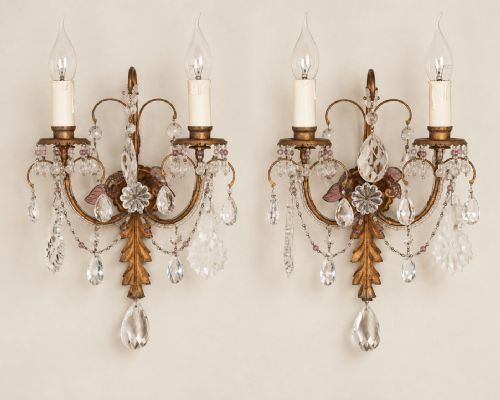
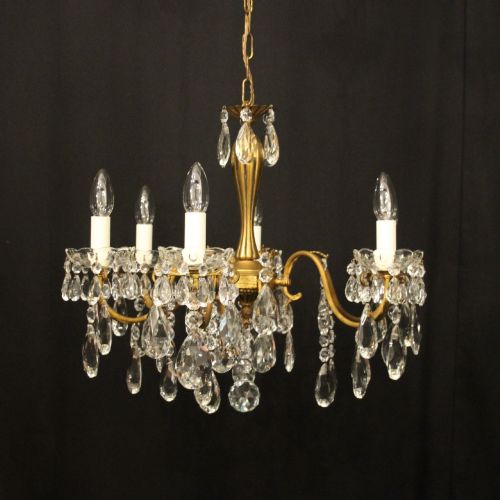
French crystal drops catch the ambient light in a room, suspended from chandeliers, wall lights, and candelabras crafted across the nineteenth and early twentieth centuries.
French Crystal Drops
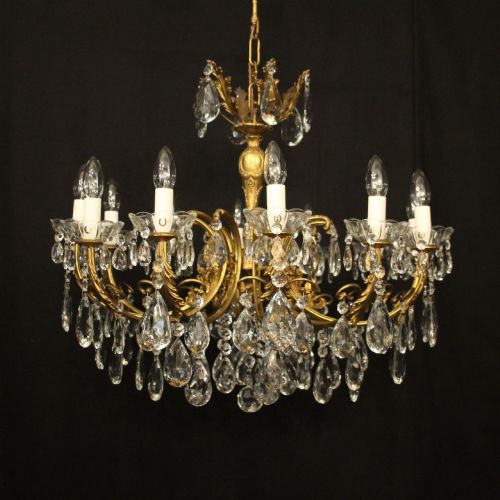
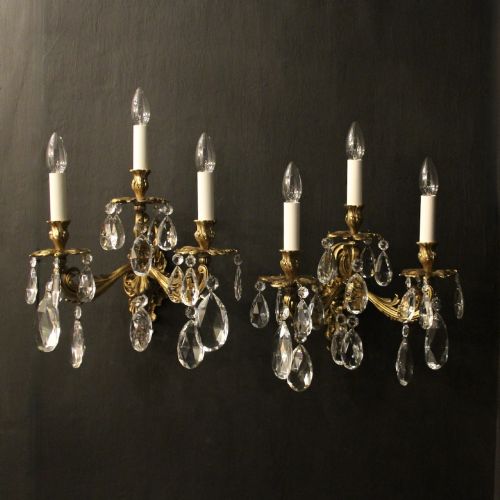
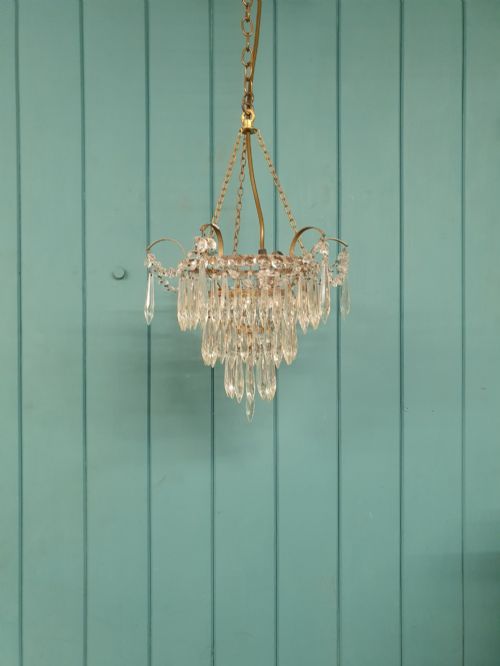
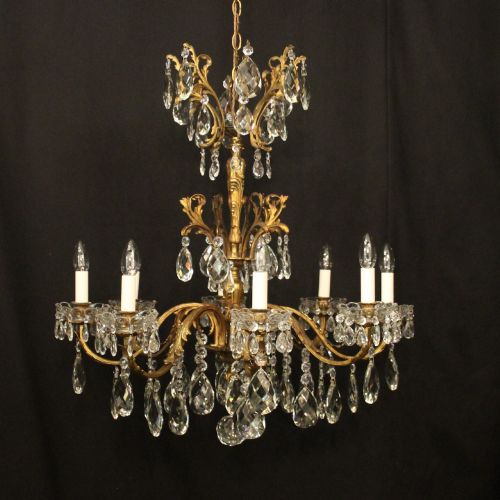
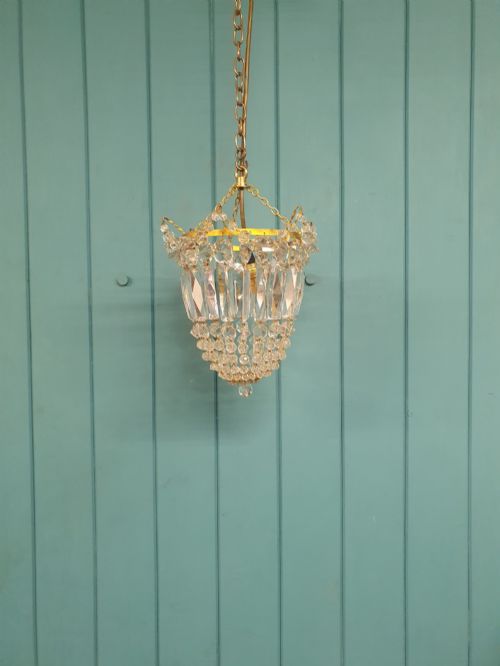
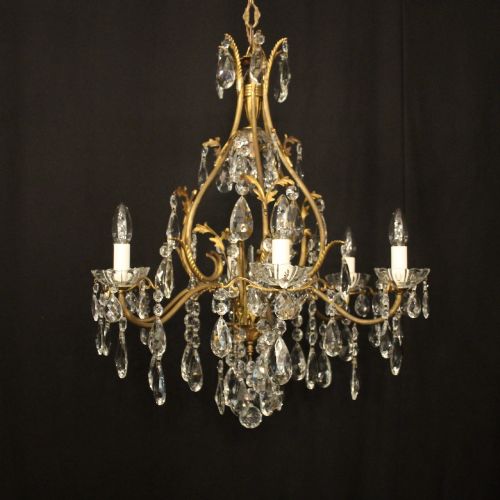
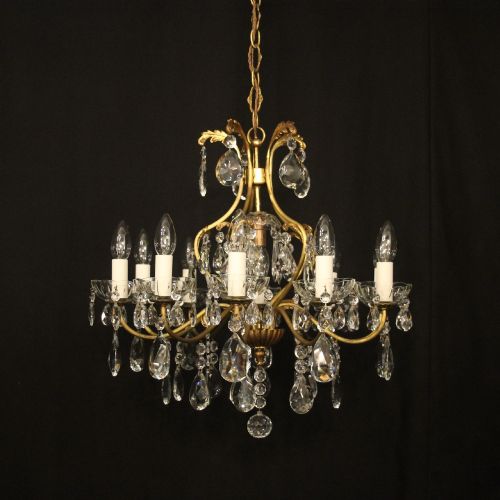
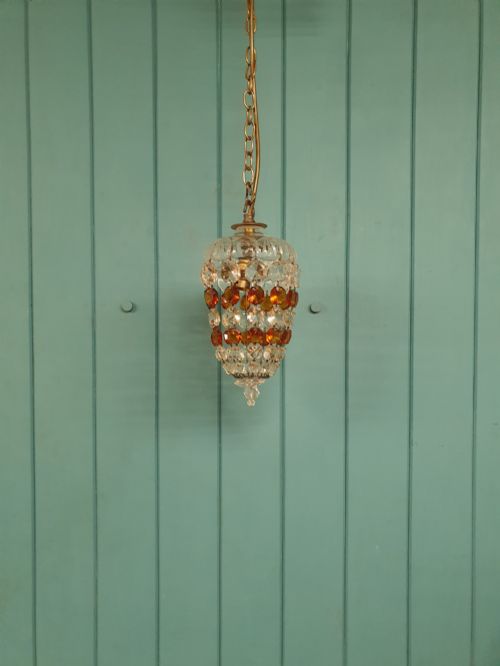
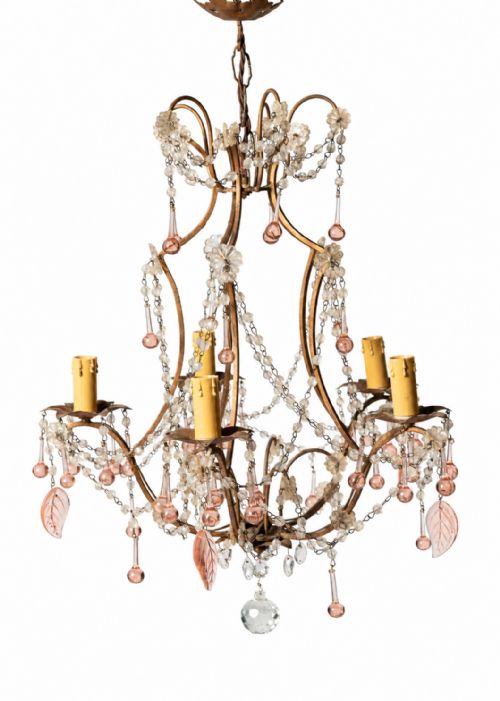
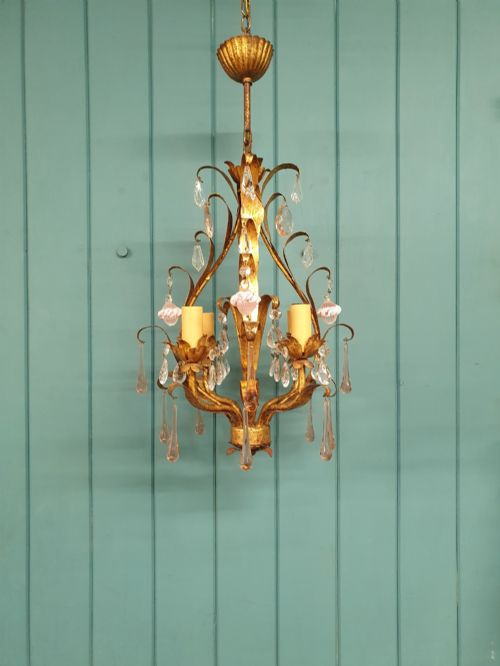
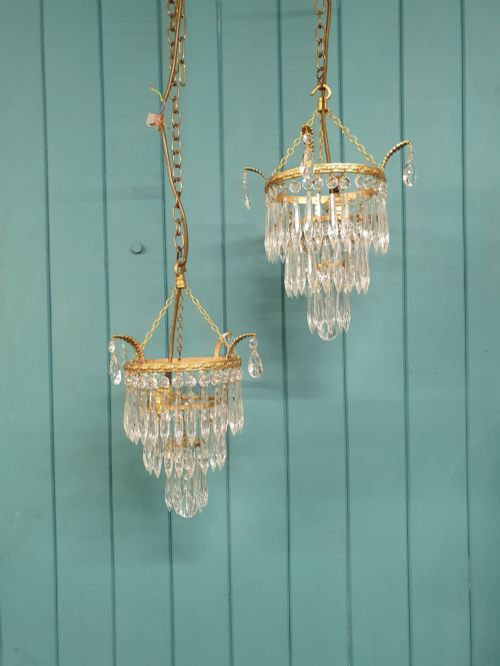
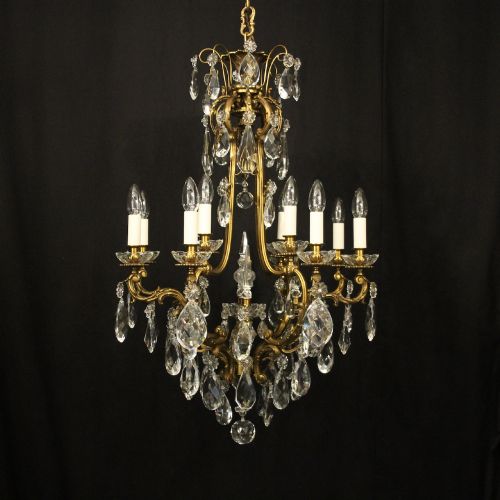
French crystal drops appear primarily on chandeliers, wall lights, and ceiling lights dating from the nineteenth century through the early twentieth century. These elements hang from diverse forms including tent and waterfall configurations, baskets, and multi-armed branch fixtures.
The objects carrying these drops frequently display distinct stylistic influences such as French Empire, French Rococo, and Rococo Revival. Buyers frequently encounter smaller spike chandeliers, wall sconces, and larger multi-light fixtures equipped with these glass elements.
Materials and construction methods
Metal frames underlying these pieces utilise brass, gilt bronze, or gilt metal, often finished with silver gilding or ormolu. These metal armatures provide the structural support required for heavy arrangements of hanging components.
Hanging elements consist of cut glass and crystal, shaped into drops, prisms, and lustres. Technicians fastened these transparent pieces to the metal frameworks using wire pins or small loops.
French Crystal Drops Retail Price Guide 2026
Typical asking prices for french crystal drops among the pieces listed under this phrase on Sellingantiques today, from the lower quarter to the upper quarter. They describe what is for sale here now, not the wider market.
Listings feature items from the 1890s, 1900s, 1910s, 1920s, and 1930s, alongside nineteenth-century pieces.
Distinctions in craftsmanship
The refinement of the metalwork distinguishes higher quality examples, seen in chased gilt bronze and detailed ormolu mounts compared to simpler brass castings. Heavier metal armatures support more intricate arrangements like large tent and waterfall structures.
The clarity and precision-cut facets of the crystal drops separate finer pieces from standard glass alternatives. Deep, sharp cutting allows individual drops to refract light with greater brilliance.
The French Crystal Drops Glossary
- Tent and waterfall
- A chandelier configuration where rows of drops form a conical tent shape above a cascading waterfall effect of crystals.
- Ormolu
- Gilded bronze applied to decorative metalwork and mounts on light fixtures.
- Coffin prisms
- Flat, elongated glass pendants with bevelled edges resembling a coffin shape, used for hanging decoration.
- Candelabras
- Standing or mounted branch fixtures designed to hold multiple candles or converted to electricity.
- Gilt bronze
- Metalwork treated with a gold coating to provide a durable, luminous finish.
French Crystal Drops: Frequently Asked Questions
What periods do French crystal drops date from?
These pieces date from the nineteenth century through to the early twentieth century, spanning periods like the Edwardian era and the 1920s and 1930s.
Designs reflect historical revivals, including French Empire and Rococo Revival styles popular during those decades.
How were crystal drops attached to chandeliers?
Individual drops hung from metal frames using small wire loops or pins threaded through drilled holes in the glass.
This method allowed each piece to sway gently and catch light from multiple angles.
What metals support these glass drops?
Frameworks are constructed from brass, gilt brass, gilt bronze, and gilt metal, occasionally featuring silver gilding or ormolu finishes.
Heavier fixtures utilised sturdy bronze or brass to bear the substantial weight of numerous glass elements.