


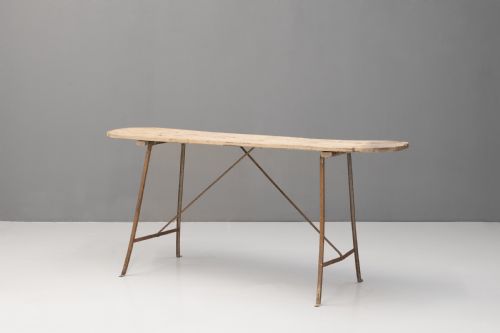


French Country Folding Table
These pieces of french country folding table design bring rustic utility to any room, offering clever folding mechanisms built for harvest work.
French Country Folding Table
When you search for a french country folding table, you look at functional timber and iron furniture rooted in rural France. The selections span the nineteenth century, nineteen hundred, nineteen twenty, eighteen ninety, Victorian, and nineteen thirty periods, capturing authentic agricultural history.
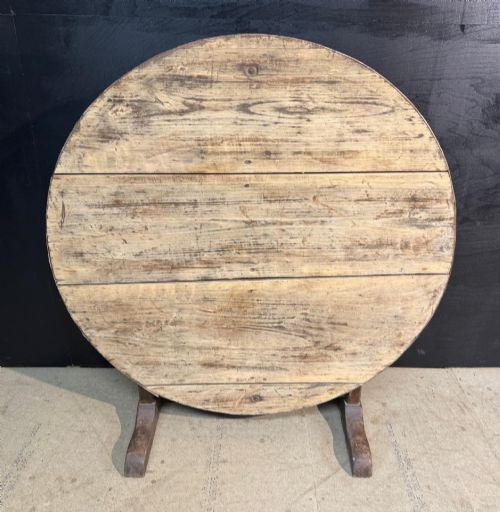
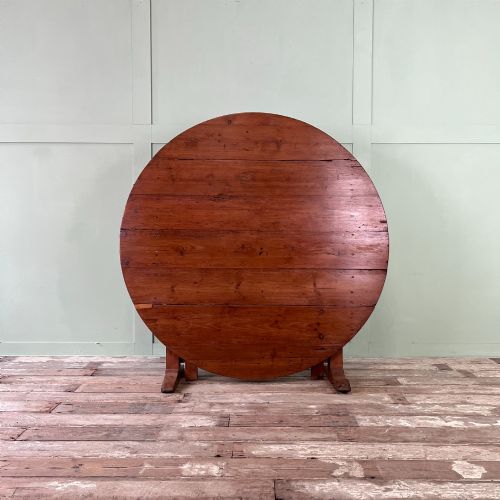
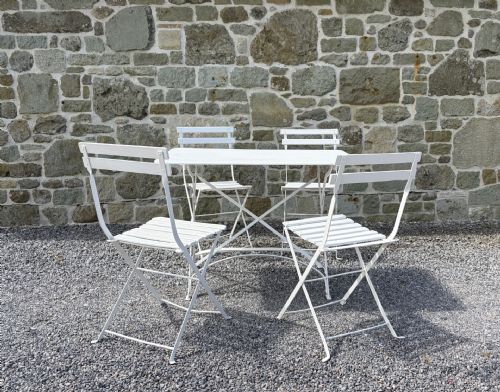
You meet variations such as vendange tables, vineyard tables, vigneron wine tasting tables, and garden sets. These forms often feature oak, fruitwood, cherry, pine, or wrought iron construction, reflecting traditional French provincial and rustic farmhouse styles.
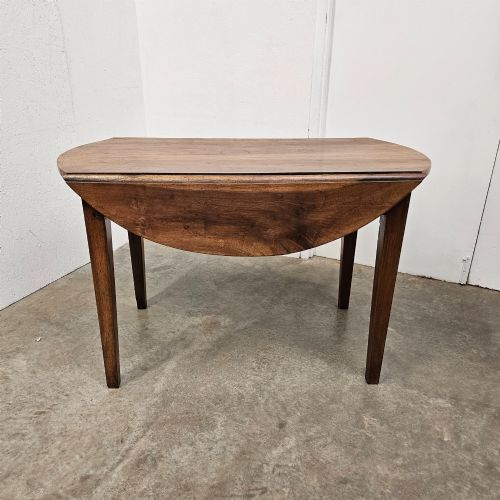
The objects serve multiple roles across the inventory, appearing as dining tables, garden dining sets, tilt top tables, console tables, side tables, folding tables, coffee tables, and buffets or sideboards. Oak and cherry iterations dominate the offerings alongside versatile folding chairs and zinc top variants.
How they were made
Maker construction relies on robust hardwoods like oak, cherry, fruitwood, and pine combined with wrought iron or zinc. Carpenters utilised these materials to withstand the heavy demands of agricultural labour during grape harvests.
Folding mechanisms and drop-leaf designs allowed workers to store and transport the furniture easily between vineyards and cellars. Simple joints and sturdy timber framing ensured long-term durability in rural conditions.
French Country Folding Table Retail Price Guide 2026
Typical asking prices for french country folding table among the pieces listed under this phrase on Sellingantiques today, from the lower quarter to the upper quarter. They describe what is for sale here now, not the wider market.
Listed objects include dining tables, garden dining sets, tilt top tables, console tables, side tables, folding tables, coffee tables, and buffets.
What varies in quality
Material selection divides standard pieces from superior examples, with dense hardwoods like oak and cherry offering greater longevity than softer pine. The choice of metal components, such as heavy wrought iron or zinc tops, further distinguishes utilitarian pieces from finer domestic adaptations.
Construction integrity determines the strength of the folding mechanism and the overall stability of the table. Examples retaining their original timber patina and working hinges represent the higher tier of surviving agricultural furniture.
The French Country Folding Table Glossary
- Vendange table
- A traditional French harvest table designed with a folding base for easy storage during the grape-picking season.
- Vigneron table
- A wine tasting table associated with French vineyards, typically constructed from solid oak or cherry timbers.
- Faux bamboo
- A decorative technique where wood is carved or painted to resemble natural bamboo stalks, seen in nineteenth-century furniture.
- Tilt top table
- A table featuring a hinged mechanism that allows the surface to flip vertical when not in active use.
French Country Folding Table: Frequently Asked Questions
What is a vendange table?
A vendange table is a traditional French harvest table built with a folding wooden base. Vine workers used these tables outdoors during grape harvests.
They feature circular or rectangular timber tops in oak, cherry, or fruitwood. The clever folding mechanism allowed workers to store the tables flat against walls or transport them between vineyard rows.
How were folding tables used?
These tables served primarily as practical work surfaces during the grape harvest in rural France. Workers relied on them for sorting grapes and outdoor dining.
Their portable design made them equally useful inside farmhouses and cellars. Today, buyers utilise them as dining tables, side tables, or garden furniture.
What woods are common?
Makers constructed these tables predominantly using domestic French hardwoods such as oak, cherry, and fruitwood. Pine also appears in more utilitarian examples.
Iron and zinc frequently supplement the wooden construction, particularly on garden furniture and wine tasting tables. These materials ensured the pieces withstood heavy daily use.
How to date these tables?
Dating relies on examining the timber species, joinery techniques, and metal hardware. Pieces from the nineteenth century often display hand-turned legs and forged iron hinges.
Later examples from the early twentieth century incorporate simpler fasteners and varied wood treatments. Comparing the style to documented French provincial periods helps narrow the manufacturing era.