




French Country Counter
These french country counter pieces are robust working tables and storage fixtures that bring authentic provincial character into modern domestic interiors.
French Country Counter
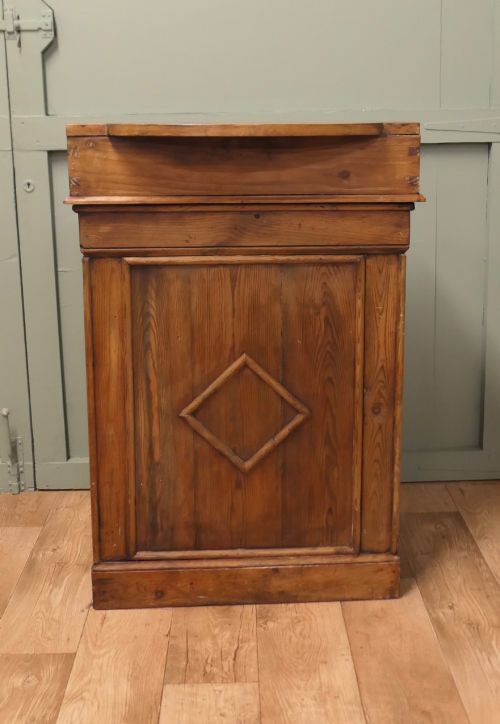
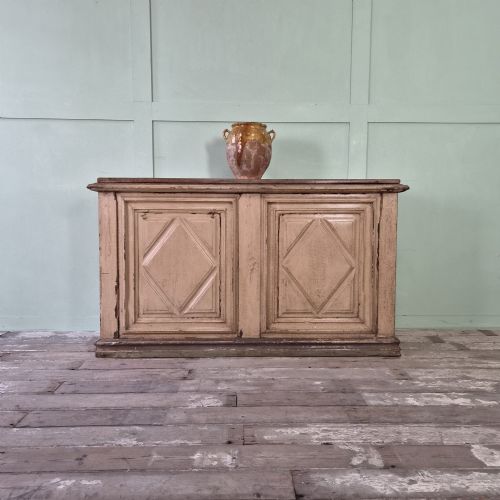
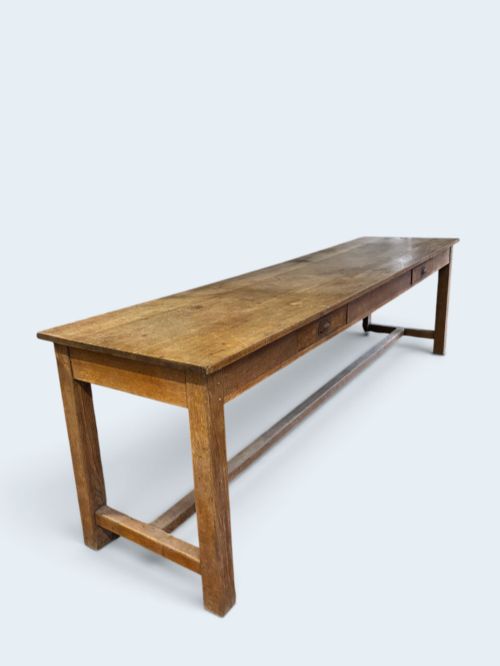
A french country counter encompasses heavy utilitarian furnishings originating from provincial workshops, trade spaces, and rural dwellings. Buyers browsing this selection most frequently encounter large drapers tables, shop counters, and banks of drawers designed for commercial or domestic service.
The objects span multiple decades from the mid nineteenth century through the early twentieth century. Common formats include console tables, serving tables, display tables, and home bars built for heavy daily use.
Materials and construction
These items are constructed primarily from solid oak, pine, and painted softwood, utilising sturdy timber joints built to withstand commercial trade. Many surfaces display original paint finishes or have been bleached over time to reveal the natural grain of the wood.
Metal hardware incorporates brass and iron elements, particularly on drawer banks, shop counters, and associated storage pieces. Structural integrity relies on heavy timber framing rather than decorative veneer.
French Country Counter Retail Price Guide 2026
Typical asking prices for french country counter among the pieces listed under this phrase on Sellingantiques today, from the lower quarter to the upper quarter. They describe what is for sale here now, not the wider market.
One exceptional listing includes a complete wine bar and high stool set alongside three enamel cann canisters from nineteen ten.
Assessing quality and authenticity
Quality in a french country counter rests upon the integrity of the timber and the honesty of the surface wear. Pieces retaining their original structural timbers and authentic patination command greater interest than heavily restored examples.
The scale and proportion of the base furniture dictate its architectural presence within a room. Well proportioned drapers tables and multi drawer shop counters demonstrate superior utilitarian design from their working eras.
The French Country Counter Glossary
- Drapers Table
- A long, narrow utility table historically used in textile shops for measuring and folding cloth. These pieces feature generous length and shallow proportions well suited to modern kitchen or hallway use.
- Shop Counter
- A heavy commercial fixture designed for retail transactions, frequently incorporating numerous storage drawers or panelled cabinetry. They provide substantial surface area and integrated organisation.
- Bleached Oak
- Timber that has been treated to lighten its natural dark tone, a finish commonly found on nineteenth century French furniture. This process highlights the grain while softening the overall visual weight of the piece.
- Painted Softwood
- Timber such as pine treated with a pigmented surface coating, often showing layers of historical wear. This finish reflects vernacular provincial traditions.
French Country Counter: Frequently Asked Questions
What is a drapers table used for?
Historically, a drapers table served merchants as a long, stable surface for displaying and measuring rolls of fabric in provincial shops. Today, buyers utilise them as kitchen islands, console tables, or generous serving surfaces in domestic dining spaces.
Their narrow proportions and sturdy wooden construction make them practical for everyday household use without dominating a room.
How do I date a shop counter?
Dating relies upon examining the construction methods, timber types, and wear patterns visible across the piece. Nineteenth century examples typically feature solid oak or pine framing with hand cut joints and heavy brass or iron hardware.
Later pieces from the early twentieth century often display simpler machine milled elements while retaining utilitarian forms.
Are these pieces suitable for kitchens?
Many buyers repurpose these items as kitchen islands or prep tables due to their durable wooden surfaces and ample proportions. Drapers tables and shop counters offer both working space and integrated storage through drawers.
Their robust construction handles daily domestic activity while adding historic provincial character to the interior.
What wood types are most common?
Oak and pine dominate the selection, appearing either in their natural state, bleached, or finished with traditional paint. Solid oak provides exceptional durability and a prominent grain pattern.
Softwoods like pine offer a lighter appearance, frequently enhanced by historic painted surfaces or bleached finishes.